Discover the Best Traditional Northern Irish Food: A Culinary Journey

Last Updated

Immerse yourself in a culinary journey like no other. Uncover the secrets of traditional northern Irish food, savour the flavours of the Ulster Fry, relish the comforting Irish Stew, and discover the magic behind the Belfast Bap. Northern Ireland’s cuisine is renowned for its richness and diversity, offering a unique blend of heritage and local flavours. Ready to embark on a gastronomic adventure through the land of the shamrock? Then, let’s dive in!

Key Takeaways

  • Explore Northern Irish cuisine, from the classic Ulster Fry breakfast to hearty Irish Stew and traditional baked goods.
  • Sample seafood delicacies likefreshoysters and smoked salmon, or savourlocal treats like Fifteens and Yellow Man.
  • Enjoy unique dishes like Belfast Bap or Vegetable Roll for a true taste of Northern Ireland’s culinary heritage.

Local Ingredients: The Foundation of Northern Irish Flavour

Northern Irish cuisine is a true celebration of the land and sea, with every dish deeply rooted in the region’s rich agricultural and coastal heritage. The secret behind the unforgettable taste of northern Ireland food lies in the use of fresh, local ingredients—each one carefully chosen to bring out the best in traditional and modern recipes alike.

At the heart of many northern Irish classics are humble yet flavourful staples like whole wheat flour, potatoes, and spring onions. These ingredients, combined with essentials such as baking soda, butter, and organic cow’s milk, form the backbone of beloved dishes like soda bread and potato bread. Whether it’s the nutty aroma of wheaten bread fresh from the oven or the comforting bite of a soft bread roll in a Belfast bap, the quality of local produce shines through in every mouthful.

The Ulster fry, a breakfast icon, is a perfect example of how local ingredients come together to create something truly special. Thick slices of bacon, juicy sausages, and rich black pudding are all sourced from local farms, while eggs are gathered from free-range hens. Even the fried potato bread and soda farls that complete the plate are made with locally milled wheat flour and creamy, organic milk.

Northern Ireland’s lush fields and cool climate also yield an abundance of root vegetables, which are the stars of hearty dishes like Irish stew and vegetable soup. Slow-cooked with tender lamb or beef, these vegetables infuse the broth with earthy sweetness and depth, making every spoonful a taste of the countryside.

But the story of northern Irish cuisine doesn’t end on land. The region’s proximity to the sea means that fresh seafood is always on the menu. Smoked salmon, Irish oysters, and the creamy richness of ulster seafood chowder are just a few examples of how local fishermen and chefs bring the bounty of the Atlantic to the table. Whether you’re sampling seafood chowder in a cozy pub or enjoying smoked salmon at a seaside café, the freshness of the catch is unmistakable.

Sweet treats are another cornerstone of northern Ireland’s culinary heritage. From the chewy delight of yellowman, made with brown sugar and golden syrup, to the nostalgic taste of fifteens—a no-bake traybake combining digestive biscuits and condensed milk—local ingredients are at the heart of every dessert. Even modern creations like Derry milk, a chocolate stout crafted with local milk, and innovative craft beers showcase the region’s passion for quality produce.

The vibrant food scene in northern Ireland is further enriched by local favourites such as chip shops and classic pub grub, where you can enjoy everything from crispy potato chips to a hearty burger on a soft bread roll. Food festivals, like the Belfast Food Festival, bring together the best of northern Irish cuisine, celebrating the farmers, bakers, and chefs who make it all possible.

Whether you’re visiting northern Ireland for the first time or rediscovering its culinary treasures, you’ll quickly see that local ingredients are the foundation of every memorable meal. From the first bite of a traditional Ulster fry to the last crumb of wheaten bread, northern Irish food is a delicious reflection of the region’s landscape, culture, and enduring love for homegrown flavour.

Savoring the Ulster Fry: A Breakfast Staple

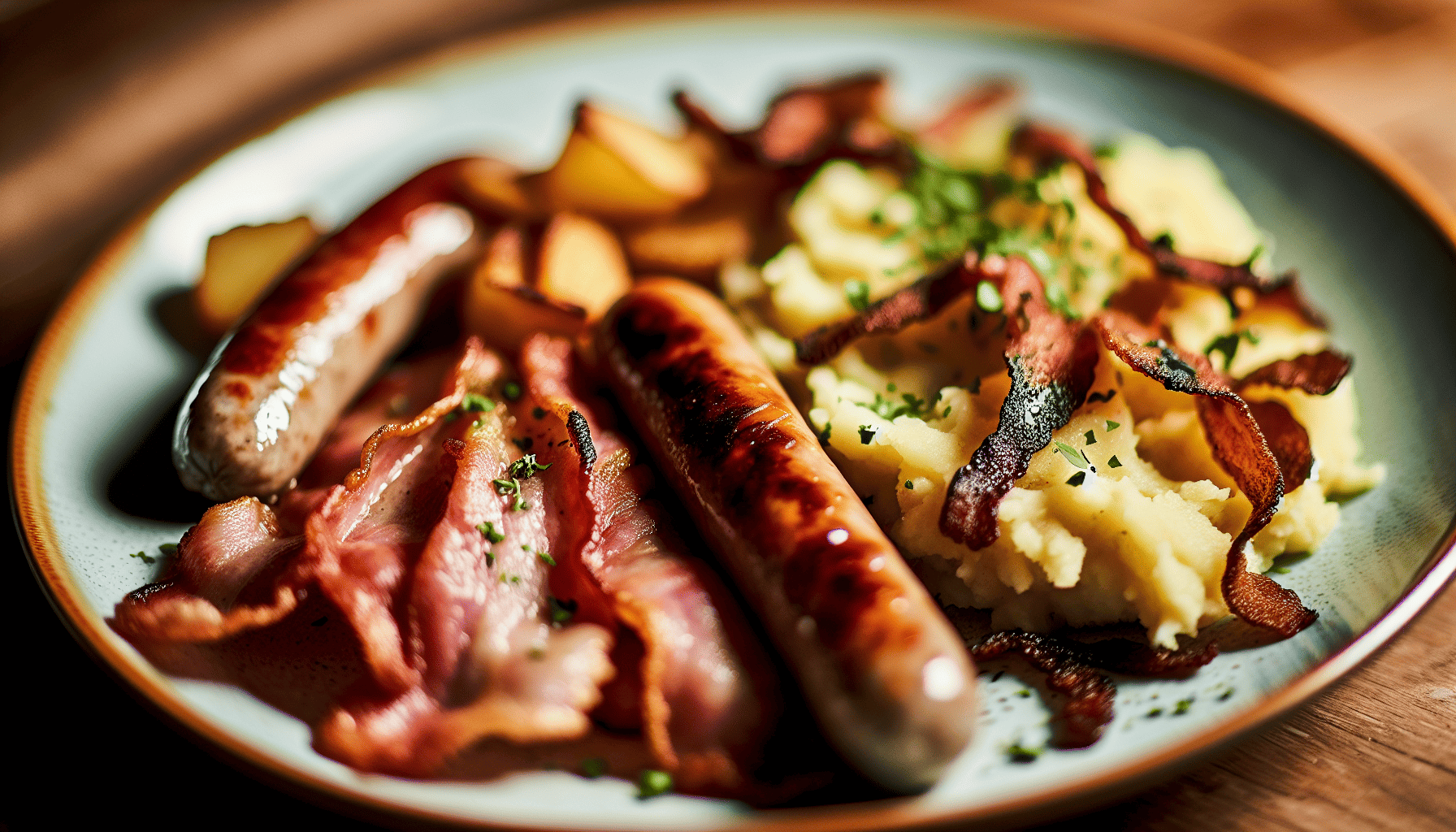
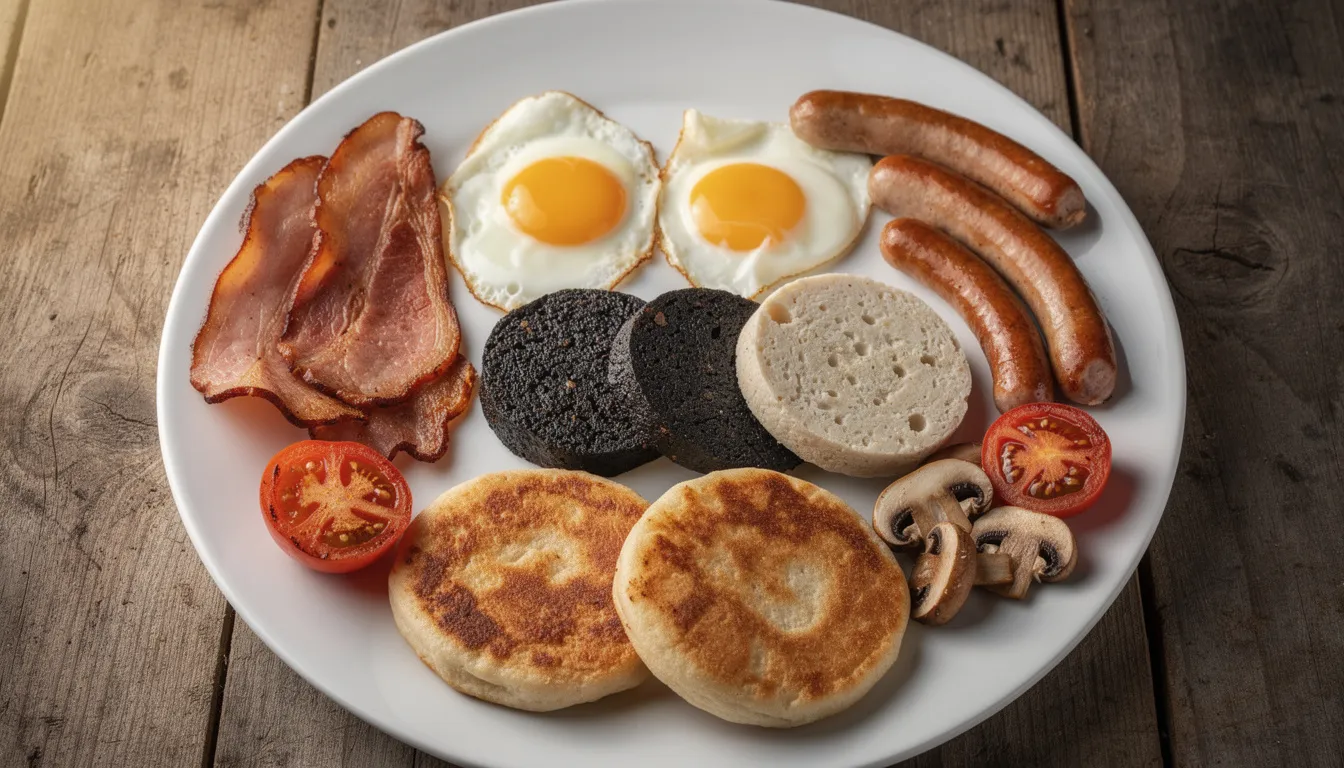
A sizzling Ulster Fry with sausages, bacon, and mashed potatoes

In , breakfast extends beyond merely the day’s first meal. It’s an affair of hearty proportions, featuring a local favorite known as the Ulster Fry. Imagine a plate laden with:

  • crispy bacon
  • succulent sausages
  • fried eggs
  • slices of black pudding
  • soda bread
  • potato bread

Soda farl is commonly served as part of the Ulster Fry, making it a staple in this traditional breakfast.

This esteemed traditional Irish breakfast kick-starts the day with a gastronomic delight. Be it a chilly winter morning or a sunny summer day, an Ulster Fry is an invitation to enjoy a generous dose of Northern Irish hospitality.

The History of Ulster Fry

The Ulster Fry’s humble beginnings can be traced back to the Victorian era. It started as a hearty breakfast for hard-working farmers, providing them with the much-needed fuel for a long day. However, its popularity soared after World War II, when it became a staple in every Irish household.

The name ‘Ulster Fry’ even reflects its cultural significance, originating from the Protestant community in Ulster. Whether you call it a ‘Fry’ or an ‘Irish Fry,’ one thing remains constant – it’s a beloved part of Northern Irish cuisine.

Crafting the Perfect Ulster Fry

Crafting the ideal Ulster Fry involves the artful use of appropriate ingredients and cooking techniques. The recipe calls for:

  • Bacon
  • Sausage
  • Eggs
  • White pudding
  • Black pudding
  • Soda bread
  • Potato bread

White pudding is a traditional bloodless sausage made with pork, suet, bread, and oatmeal. It is often enjoyed fried and is a staple in Northern Irish cuisine, commonly served as part of the Ulster Fry alongside black pudding.

But what sets the Ulster Fry apart is the preparation. Each ingredient is carefully cooked to perfection, with eggs usually fried and served with back bacon, black pudding, white pudding, sausages, and bread items.

And let’s not forget the potato bread, a versatile staple that can be prepared by frying or baking, commonly accompanying this traditional dish.

Comparing Breakfasts

How does the Ulster Fry stack up against global traditional breakfasts? Well, let’s just say that it holds its own. With its hearty components, the Ulster Fry stands tall against the traditional English breakfast—a quintessential British meal featuring sausages, bacon, fried eggs, baked beans, and often mushrooms, tomatoes, and condiments like HP sauce. The Ulster Fry offers a unique twist on the typical breakfast spread. It’s not just a meal; it’s a testament to the rich history and culture of Northern Ireland

The Heart of Northern Irish Cuisine: Irish Stew

Transitioning from breakfast to lunch, we explore the core of Northern Irish cuisine, epitomized by the classic Irish Stew. Picture a bowl of:

  • tender cuts of lamb or mutton
  • potatoes
  • onions
  • some recipes even including additional vegetables like carrots

All slowly simmered to create a richly flavored broth.

Alongside Irish Stew, other traditional dishes include creamy soup varieties, such as seafood chowder made with fish, potatoes, and vegetables—a local specialty in Northern Ireland.

This traditional Irish stew, a classic example of Irish food, is a symbol of home and comfort, making it a popular dish especially during the cold Irish winter months.

Components of a Classic Irish Stew

A traditional Irish Stew beautifully combines simplicity with flavour. The main components are beef or lamb, and root vegetables such as carrots, onions, and potatoes. But the star of the dish is the broth. It’s created by simmering lamb bones with carrots, onions, celery, fresh herbs, peppercorns, and salt for several hours.

This process gives the broth a rich and flavorful base that binds the ingredients together and brings out the best in this classic dish.

Local Variations

As with any traditional dish, Irish Stew boasts of numerous local variations throughout Northern Ireland. Here are some examples:

  • In Belfast, lamb is typically used.
  • Derry, it’s beef mince.
  • In County Antrim, the stew often sticks to the traditional lamb or mutton base and may incorporate ingredients such as carrots, turnips, and barley.

Regardless of the variations, one thing remains constant – every bowl of Irish stew is a taste of traditional dishes.

In some regions, Irish Stew is enjoyed with a slice of traditional yeast bread, highlighting the cultural pairing of this leavened bread with festive or historical recipes.

The Pride of Baked Goods: Soda Bread and Potato Bread

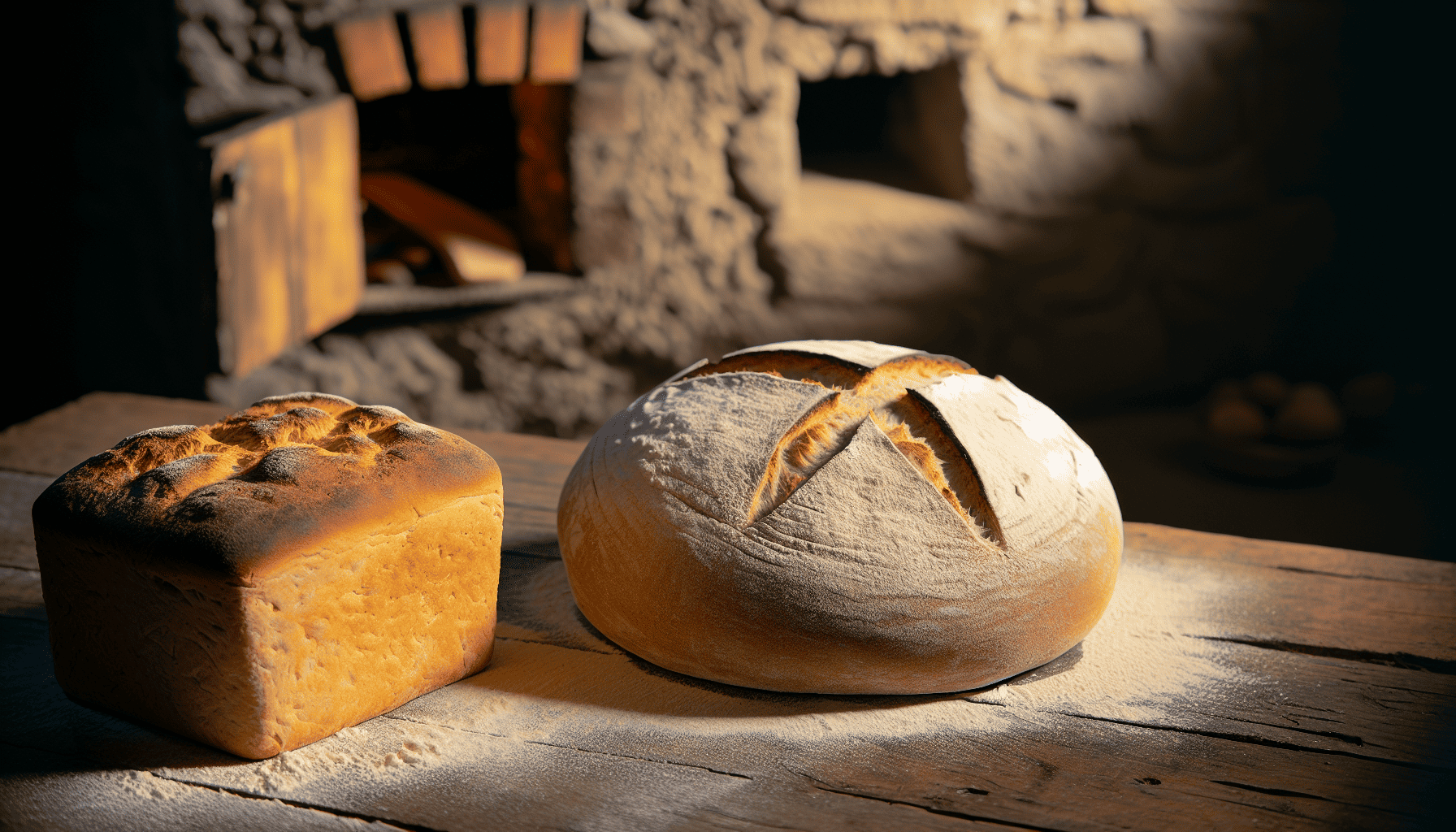
Freshly baked loaves of traditional Soda Bread and Potato Bread

Bread, especially Soda Bread and Potato Bread, has consistently occupied a prominent spot in Northern Irish cuisine. Both are traditional types of flat bread, with soda bread and potato bread often cooked on a griddle or similar flat surface. Potato bread is also known as tatie bread in some regions, highlighting its cultural significance and regional name variations. These traditional breads are not just basic food items; they are symbols of the region’s history and culinary prowess.

Whether it’s the quick bread tradition of Soda Bread or the humble beginnings of Potato Bread (tatie bread), these baked goods are a testament to Northern Ireland’s culinary heritage.

Soda Bread: The Quick Bread Tradition

In Northern Irish cuisine, Soda Bread, a quick bread that swaps yeast for baking soda, enjoys a considerable standing. Its origins can be traced back to Native American cuisine, and it gained popularity in Ireland in the late 1830s after the introduction of baking soda. In some recipes, baking powder is also used as a leavening agent to create a soft, quick bread.

Today, it’s prepared on a griddle as a flatbread and can be made with either white or brown flour. Soda farl, a popular form of soda bread, is typically cooked on a griddle and is often associated with the Ulster Fry breakfast in Northern Ireland. Its simplicity, versatility, and easy preparation make it a beloved part of Irish hospitality.

Potato Bread: From Humble Beginnings to Modern Day

Potato Bread, originating from modest roots in Belfast, has evolved into an integral component of Northern Irish cuisine. This delicious bread is crafted from mashed potatoes, flour, and butter, and shaped into scones. Over time, it has evolved from a staple food closely associated with Irish soda bread to a cherished traditional food.

Potato bread can also be prepared as a potato pancake, a classic dish found in traditional Irish pubs and a representative of Northern Ireland’s gastronomic heritage.

Whether it’s served as part of an Ulster Fry or enjoyed on its own, Potato Bread is a testament to Northern Ireland’s culinary evolution.

Whiskey and Coffee Fusion: The Legendary Irish Coffee

Continuing our culinary journey, let’s pause to relish a unique blend of flavours – the iconic Irish Coffee. This hot drink combines fresh coffee, Irish cream liqueur, Irish whiskey, and is typically topped with whipped cream. Originating in Limerick in 1943, Irish Coffee has since become a beloved part of Irish cuisine.

The Creation of Irish Coffee

Chef Joe Sheridan, who invented Irish Coffee at Foynes Airport, a flying boat terminal in County Limerick, is credited for its creation. According to legend, he created the drink to warm up passengers on a cold winter night. The drink was an instant hit and quickly became a staple in Irish bars and pubs.

Today, Irish Coffee is not just a warm beverage; it’s a symbol of Irish hospitality and warmth.

Enjoying Irish Coffee Today

Today, Irish Coffee continues to be relished globally. Whether it’s at a cozy pub in Northern Ireland or a trendy coffee shop in the heart of New York, this whiskey and coffee fusion is a beloved part of the global coffee culture. If you’re in Northern Ireland, don’t miss the chance to savour an Irish Coffee at local gems such as:

  • White’s Tavern
  • Margot
  • Morning Star
  • Henrys

A Sweet Tooth’s Delight: Fifteens and Yellow Man

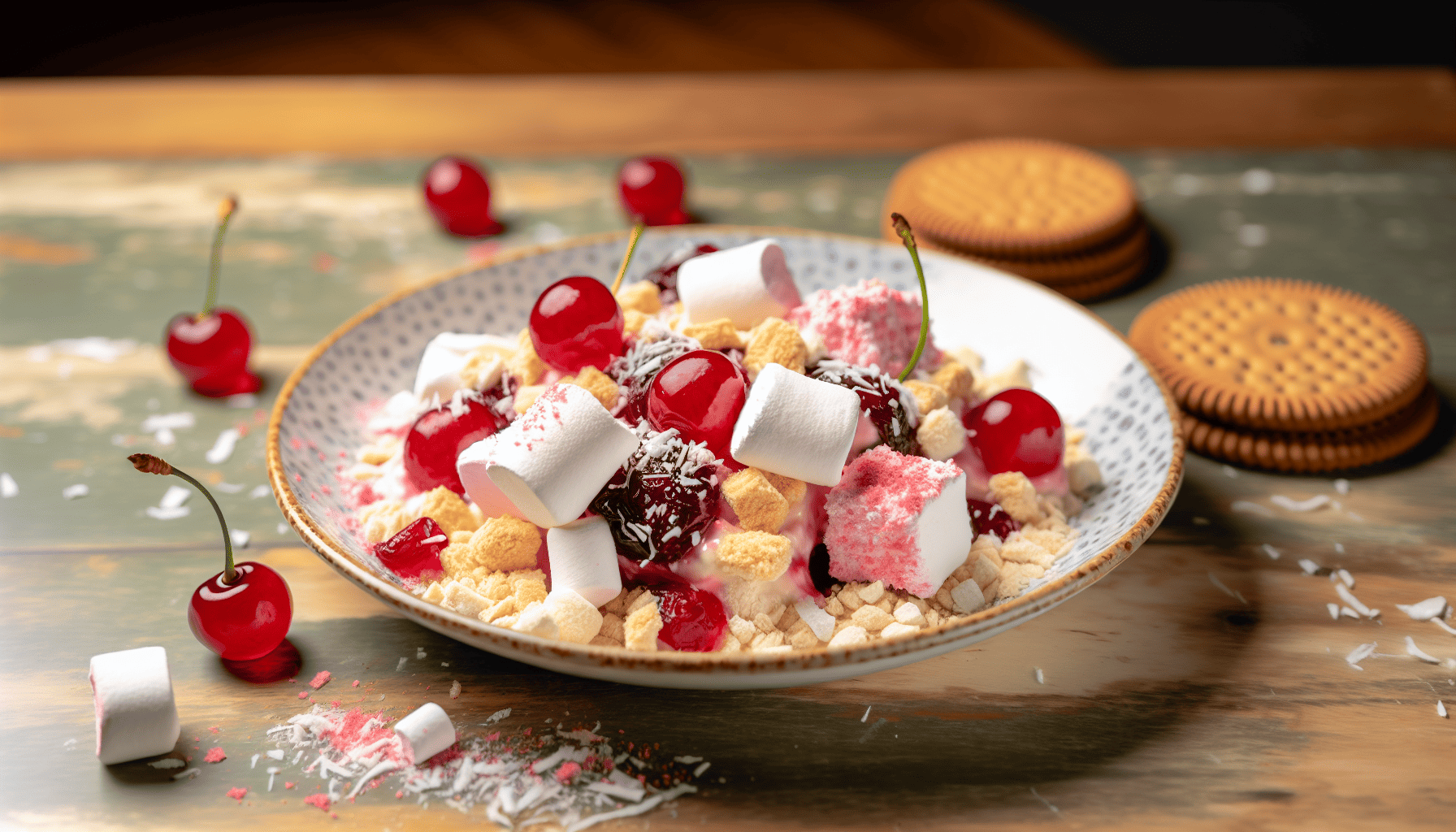
Colorful plate of Fifteens, a delightful Northern Irish dessert

In Northern Ireland, the sweet conclusion to every culinary journey is marked by Fifteens and Yellow Man. Fifteens are a traditional delicacy consisting of crushed digestive biscuits, chopped marshmallows, halved glacé cherries, and condensed milk, all rolled in desiccated coconut. Other traditional baked goods, such as Barmbrack, often include dried fruit as a key ingredient.

On the other hand, Yellow Man is a sweet treat, syrupy, and chewy candy with a texture similar to honeycomb toffee. Cream horns, filled with sweetened cream, are another popular treat found in Northern Irish bakeries. These sweet treats are not just delicious; they are a part of Northern Ireland’s cultural heritage.

Making Fifteens

Homemade Fifteens offer a fun and gratifying culinary experience. All you need are:

  • 15 marshmallows
  • 15 Digestive biscuits
  • 15 glacé cherries
  • sweetened condensed milk
  • coconut

Mix all the ingredients until well combined, shape into a log, and refrigerate.

Once chilled, cut into slices and enjoy your homemade Fifteens. This simple yet scrumptious dessert is a perfect way to experience Northern Irish culinary tradition right in your own kitchen.

The Charm of Yellow Man

Yellow Man’s charm resides in its distinctive texture and flavour. This traditional Northern Irish candy is made by boiling brown sugar, vinegar, and baking soda until the mixture turns golden brown and achieves a brittle consistency.

Yellow Man has been traditionally sold at the annual fair in Ballycastle and other local events, making it a staple of regional celebrations.

Whether enjoyed during Lammas Day or as an everyday treat, Yellow Man is a sweet reminder of Northern Ireland’s culinary diversity.

Hearty Sides: Champ and Colcannon

Hearty side dishes like Champ and Colcannon are essential to rounding off any Northern Irish meal. Champ is a creamy, buttery mashed potato dish with a crunch from scallions, while Colcannon is a warm and creamy dish made with mashed potatoes, cabbage, cream, and butter. Whether served alongside an Ulster Fry or a bowl of Irish stew, these sides are a testament to the comforting simplicity of Northern Irish cuisine.

Dishes like Champ and Colcannon are sometimes considered health food due to their simple, wholesome ingredients.

The Simplicity of Champ

Champ exemplifies the simplicity and flavour of Northern Irish cuisine. Its main ingredients are:

  • potatoes
  • green onions
  • butter
  • milk

But what sets Champ apart is its versatility. It can be enjoyed on its own, served alongside a fried egg, or used as a base for other dishes.

With its varying preparation methods across different regions of Ireland, Champ truly reflects the diversity of Irish cuisine.

Colcannon: A Taste of Tradition

Conversely, Colcannon offers a taste of tradition. This classic Irish dish combines fluffy, buttery mashed potatoes with cooked curly kale, creating a comforting and delicious side dish. Whether served with boiled ham, Irish bacon, or corned beef, Colcannon is a beloved part of traditional Irish cuisine.

Not to mention, it holds a special place in Irish folklore, believed to aid single women in finding a spouse.

From Sea to Table: Northern Ireland’s Seafood Excellence

The excellence of Northern Ireland’s seafood is an indispensable part of its culinary journey. Blessed with a variety of freshwater and seawater sources, Northern Ireland offers a plethora of seafood options, including:

  • Fresh oysters
  • Mussels
  • Lobsters
  • Scallops
  • Crab
  • Haddock
  • Salmon

Many seafood dishes are prepared by coating fish or shellfish in seasoned flour before frying, resulting in a crispy and flavorful texture. Thinly sliced onions, often deep-fried as tobacco onions, are a popular side or topping for seafood dishes in Northern Ireland, adding a crunchy and savory element to the meal.

From the fresh oysters cultivated in the cold, nutrient-rich Atlantic waters to the smoked salmon raised in fast-flowing tidal waters, the region is a seafood lover’s paradise.

Fresh Oysters: Northern Ireland’s Aquatic Gems

Fresh oysters hold a prominent position among Northern Ireland’s seafood offerings. Known as some of the best in the world, these aquatic gems are cultivated naturally in the Atlantic waters around Northern Ireland. The most cultivated species is the Gigas oyster, renowned for its taste and quality.

Whether you enjoy them raw, grilled, or baked, Northern Ireland’s fresh oysters are a culinary delight that shouldn’t be missed.

Smoked Salmon and Other Delicacies

Beyond oysters, Northern Ireland’s seafood scene is famed for its:

  • Smoked salmon, known for its unique flavor achieved through a special smoking technique combined with local fish and seafood curing methods
  • Scallops
  • Prawns
  • Lobsters

The smoked salmon, in particular, is a must-try.

Whether it’s the smoked salmon, the succulent scallops, or the juicy prawns, every seafood delicacy in Northern Ireland promises a taste of the sea like no other.

The Unique Belfast Bap

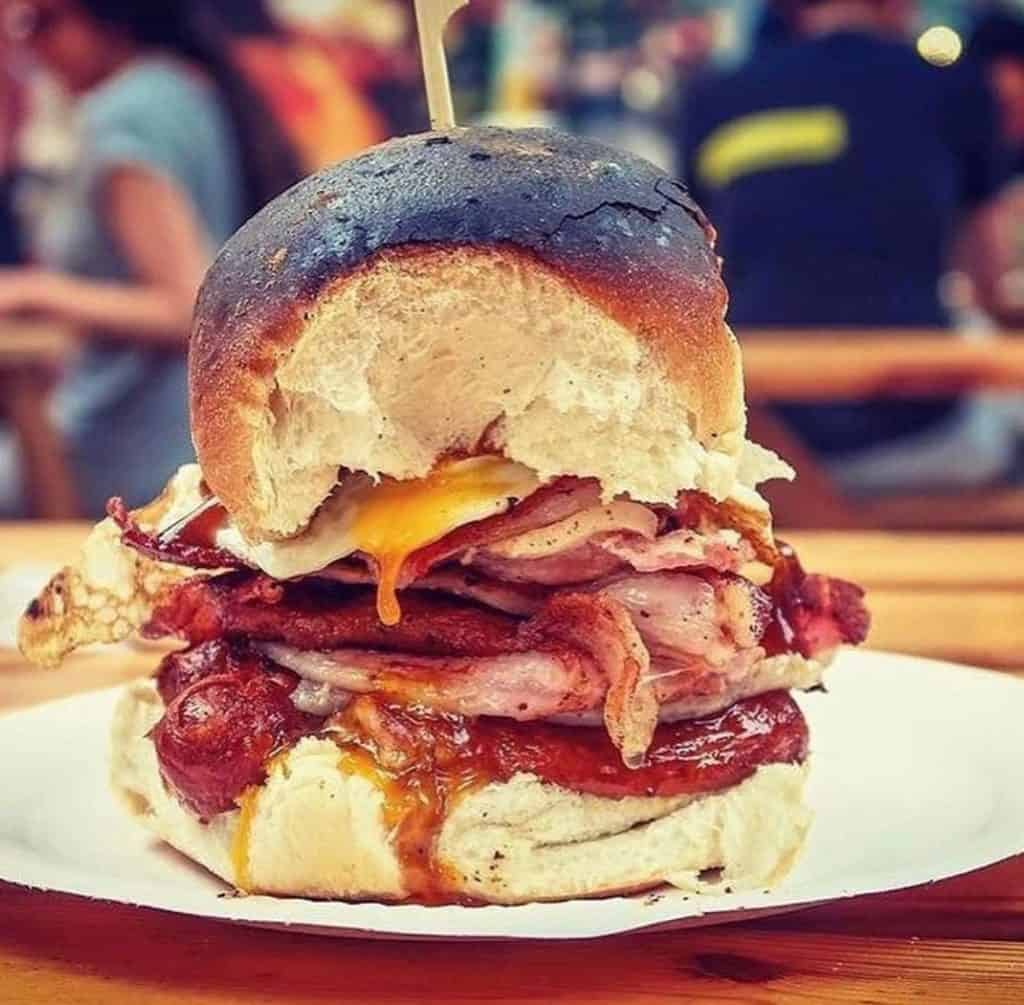
The Belfast Bap from St Georges Market – Image By @belfastbapco

The Belfast Bap represents another distinctive culinary gem of Northern Ireland. This large, crusty yet soft bread roll is traditionally filled with sausages, bacon, and eggs, reflecting its authentic heritage. While burger buns are commonly used for sandwiches elsewhere, the Belfast Bap is a regional favorite, especially for hearty breakfast or lunch sandwiches. Whether enjoyed for breakfast, lunch, or dinner, the Belfast Bap is a testament to Northern Ireland’s rich culinary traditions. I highly recommend getting one like that above from The Belfast Bap Company at St Georges Market on a Saturday morning…devine

The Versatile Vegetable Roll

Finally, one cannot overlook the flexible Vegetable Roll, a beloved dish in Northern Ireland. Comprising slices of minced beef, fresh leek, tomato, and onion, this savory treat can be enjoyed at any time of the day.

Whether it’s baked in the oven or deep-fried, the Vegetable Roll is a delicious showcase of Northern Ireland’s culinary versatility.

Summary

From the hearty Ulster Fry to the comforting Irish Stew, the traditional baked goods to the sweet delights of Fifteens and Yellow Man, the seafood excellence to the unique Belfast Bap, Northern Irish cuisine is a gastronomic journey that promises to delight every palate. Whether you’re a food enthusiast or a culinary explorer, these traditional dishes offer a taste of Northern Ireland’s rich cultural heritage and culinary diversity.

Frequently Asked Questions

What is the traditional food in Northern Ireland?

Traditional Northern Irish food includes Ulster Fry, local seafoods, soda bread, Veda bread, champ mash, potato bread, vegetable roll, and Fifteens.

What is Belfast known for food?

Belfast is known for its hearty, traditional dishes like Irish stew, soda bread, and Ulster fry. You’ll also find excellent seafood and artisanal cheeses to enjoy.

What is typical breakfast for Northern Ireland?

An Ulster Fry – a traditional Northern Irish breakfast – typically includes bacon, sausages, black pudding, eggs, potato cakes, mushrooms, and beans. It’s a real treat to enjoy this huge plate of fried delicacies, though not the healthiest meal.

What is the traditional form of Irish Stew?

Irish Stew is a classic dish made of lamb or mutton, potatoes and onions – the perfect combination for a hearty and warming meal.

How are Soda Bread and Potato Bread made?

Soda bread is made with flour, baking soda, salt, and buttermilk while Potato bread is created by incorporating mashed potatoes into the dough.

About the author

Originally from Scotland, Colin now resides near the beautiful seaside town of Portstewart on the Causeway Coastal Route. By day he works in IT and by day off he spends much of his time travelling around the Island with his young family, writing about his experiences for many sites both locally and nationally.