
In the heart of Belfast lies a district where cobblestone streets echo with centuries of history, while vibrant street art adorns walls that once housed linen merchants and shipbuilders. The cathedral quarter has transformed from an industrial hub into northern ireland’s most dynamic cultural destination, where historic buildings stand alongside world class venue spaces, and traditional pubs share corners with michelin starred restaurants.
This comprehensive guide will take you through everything you need to know about belfast’s cathedral quarter – from its fascinating industrial heritage to its current status as the city’s creative soul. Whether you’re drawn by the stunning anne’s cathedral, eager to explore the colourful street art scene, or ready to discover hidden gems in cobbled streets, this cultural hub offers an unforgettable experience that captures both old and modern belfast.
What is the Cathedral Quarter Belfast
The cathedral quarter is belfast’s vibrant cultural district, centered around the magnificent st anne’s cathedral in the heart of belfast city centre. This compact neighbourhood stretches roughly from donegall street in the west to hill street in the east, encompassing a network of cobblestoned streets, historic buildings, and contemporary cultural venues that have earned it recognition as the city’s creative epicenter.
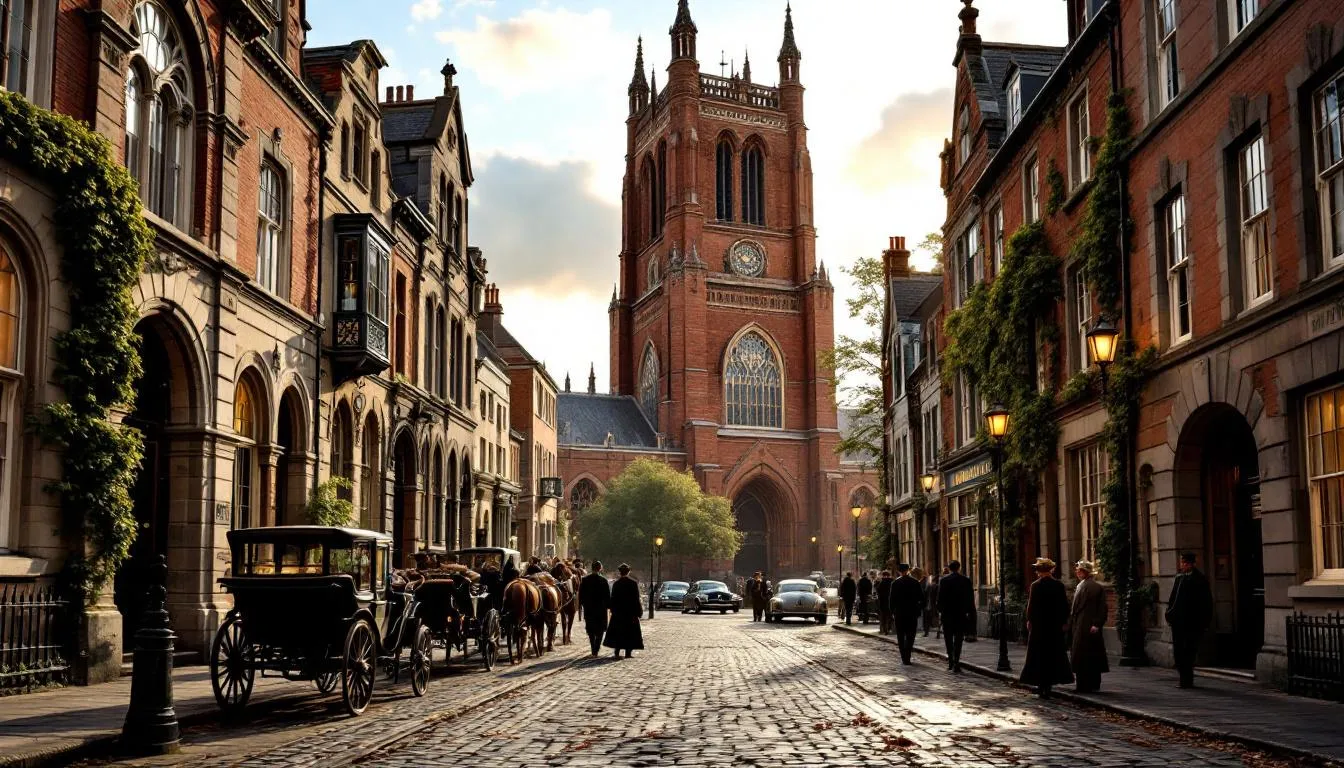
Located just steps from royal avenue and the main shopping areas, the belfast cathedral quarter serves as northern ireland’s premier destination for arts, culture, and entertainment. The area takes its name from st anne’s cathedral, the anglican cathedral church that has anchored this neighbourhood since construction began in 1899. However, the quarter encompasses much more than its religious centerpiece.
What makes this district truly special is its unique blend of preserved historic architecture and cutting-edge cultural offerings. Visitors can wander down cobblestone streets lined with victorian warehouses that now house art exhibitions, creative workshops, and trendy bars. The quarter is home to the metropolitan arts centre, numerous galleries including the golden thread gallery, and the oh yeah music centre, which celebrates belfast’s rich musical heritage.
The area’s transformation into belfast’s cultural heart is evident in every corner. Street art murals create outdoor galleries on brick walls, while traditional pubs like the duke of york sit alongside innovative cocktail bar establishments. This careful balance between honoring the past and embracing the future has made the cathedral quarter a model for urban regeneration and a must-visit destination for anyone exploring belfast.
History of the Cathedral Quarter
The story of the cathedral quarter reflects belfast’s broader journey from industrial powerhouse to modern cultural destination. Understanding this area’s rich past helps visitors appreciate how skillfully the district has preserved its heritage while adapting to contemporary needs.
The Linen and Shipbuilding Era (18th-19th Century)
During the late 18th and 19th centuries, belfast earned its reputation as the “linen capital of the world,” and the cathedral quarter played a crucial role in this industrial boom. The area’s proximity to the river lagan and its network of streets made it an ideal location for warehouses, merchant offices, and the infrastructure needed to support the thriving textile trade.
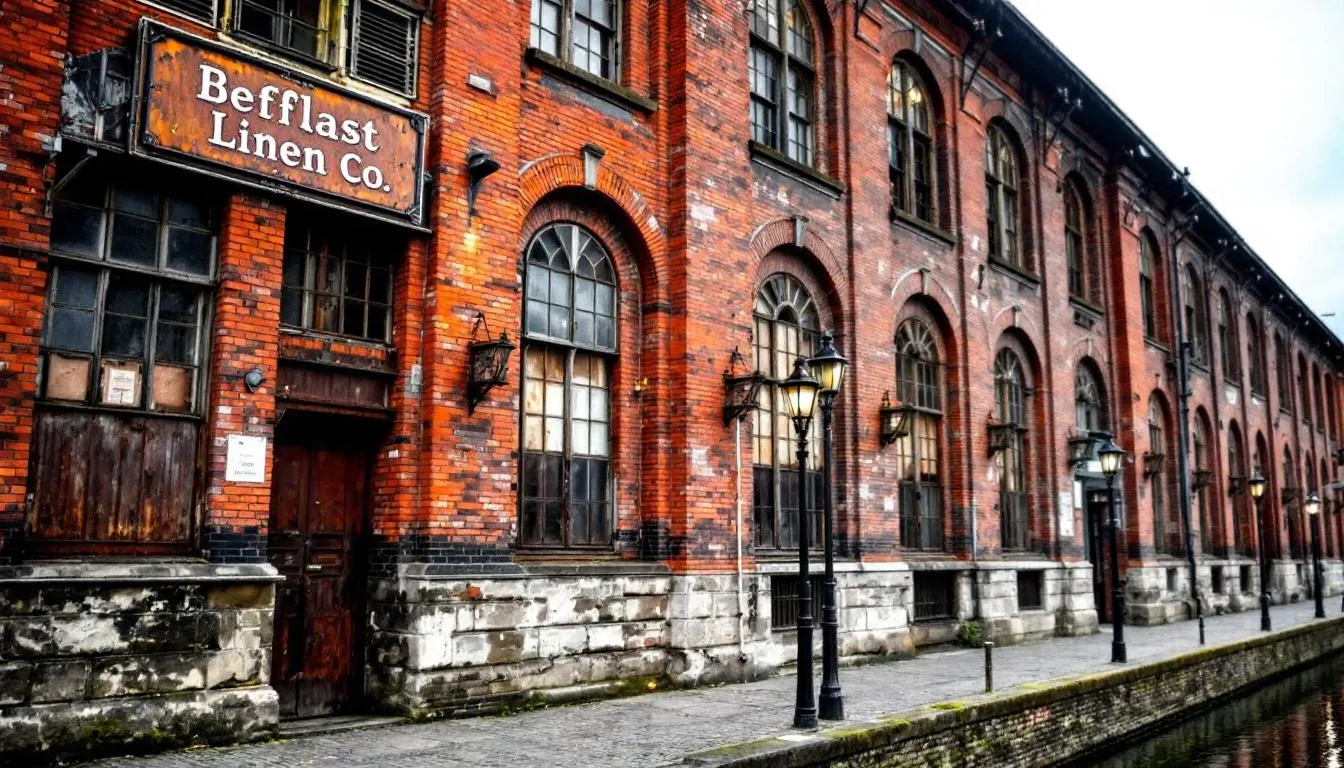
The neighbourhood’s commercial importance grew throughout the 1800s as belfast’s shipbuilding industries flourished. When harland and wolff was founded in 1861, the strategic location of the cathedral quarter near the shipyards made it a natural hub for maritime-related businesses. Many of the historic buildings visitors see today, including structures along commercial court and bridge street, date from this prosperous period.
Exchange street, one of the quarter’s main thoroughfares, exemplifies this rich commercial heritage. Originally built in 1767 as green street, it had evolved into a residential area with 65 homes by the 1820s before transforming into a bustling commercial district. The ulster bank building, now the merchant hotel, was constructed in 1860 and served as a symbol of the area’s economic importance throughout the last century.
Modern Renaissance
The 20th century brought significant challenges to the cathedral quarter, as belfast’s traditional industries declined and urban development shifted focus elsewhere. Many of the area’s warehouses and commercial buildings fell into disuse, and the district experienced a period of neglect that lasted several decades.
However, the late 20th and early 21st centuries marked the beginning of a remarkable renaissance. Recognition of the area’s architectural and cultural value led to careful preservation efforts that maintained the character of historic buildings while adapting them for new uses. The opening of the metropolitan arts centre in 2012 marked a milestone in this transformation, providing a world class venue for performances and art exhibitions.
The development of the street art scene has been particularly significant in the quarter’s modern identity. Unlike the political murals found elsewhere in belfast, the cathedral quarter’s street art focuses on cultural expression and artistic creativity, creating an outdoor gallery that changes and evolves continuously. This artistic renaissance has attracted creative businesses, restaurants, and cultural events that have established the area as belfast’s undisputed cultural hub.
Top Attractions in the Cathedral Quarter
The cathedral quarter offers a remarkable concentration of cultural and historic attractions within easy walking distance. From architectural masterpieces to cutting-edge art galleries, each venue contributes to the district’s reputation as northern ireland’s premier cultural destination.
St Anne’s Cathedral
The crown jewel of the cathedral quarter, st anne’s cathedral stands as one of belfast’s most significant architectural achievements. Construction began in 1899 when the countess of shaftesbury laid the foundation stone, but this magnificent structure took over 80 years to complete, with work continuing well into the 20th century.
Designed by sir thomas drew in the romanesque revival style, the ireland cathedral showcases exceptional craftsmanship in every detail. The building’s most striking feature is the spire of hope, a 40-meter stainless steel spire that pierces the belfast skyline and serves as a beacon visible throughout the city centre. This modern addition, completed in 2007, perfectly symbolizes how the cathedral quarter balances historical preservation with contemporary innovation.
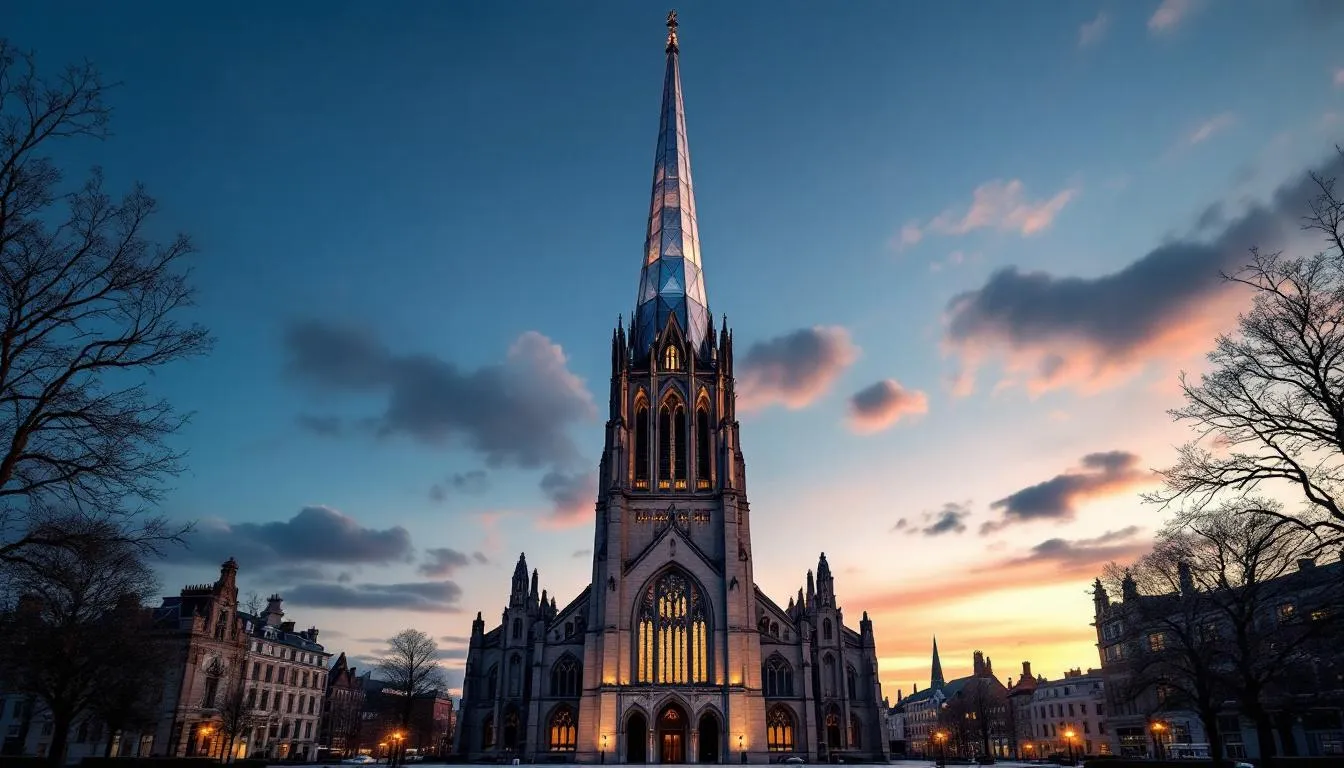
Inside, visitors discover a serene space filled with beautiful stained-glass windows, intricate stonework, and memorials that tell the story of northern ireland’s history. The west front, added in 1924, serves as a memorial to ulstermen and women who served and died in the great war, adding layers of historical significance to this already remarkable building.
The cathedral offers guided tours that provide fascinating insights into its construction, architecture, and role in belfast’s community. The building also hosts regular concerts and cultural events, making it not just a place of worship but an active participant in the quarter’s vibrant cultural scene.
The Metropolitan Arts Centre (MAC)
Since opening in 2012, the metropolitan arts centre has established itself as one of northern ireland’s most important cultural institutions. This striking contemporary building, designed by hackett hall mcknight, houses multiple performance spaces, galleries for art exhibitions, and facilities for creative workshops that serve both established and emerging artists.
The mac’s program is impressively diverse, hosting over 300 events annually that range from theatrical performances and dance productions to visual art exhibitions and community workshops. The centre’s commitment to showcasing both local talent and international artists has made it a vital bridge between belfast’s creative community and the wider world.
Visitors can enjoy the centre’s café, which offers excellent views of st anne’s square and serves as a popular meeting point for both locals and tourists. The mac’s role extends beyond entertainment; it actively participates in education and community outreach, making arts accessible to people of all backgrounds and ages.
Commercial Court and Street Art
Commercial court represents the heart of the cathedral quarter’s street art scene and outdoor social life. This narrow cobbled street has become famous for its colorful umbrella installation that stretches overhead, creating a magical canopy that’s become one of belfast’s most photographed locations.
The street art throughout the cathedral quarter deserves special recognition for its quality and creativity. Notable pieces include ‘son of protagoras’ and ‘duel of belfast,’ murals that transform ordinary walls into compelling artistic statements. Unlike the political murals found in other parts of belfast, the cathedral quarter’s street art focuses on cultural expression, creativity, and community identity.
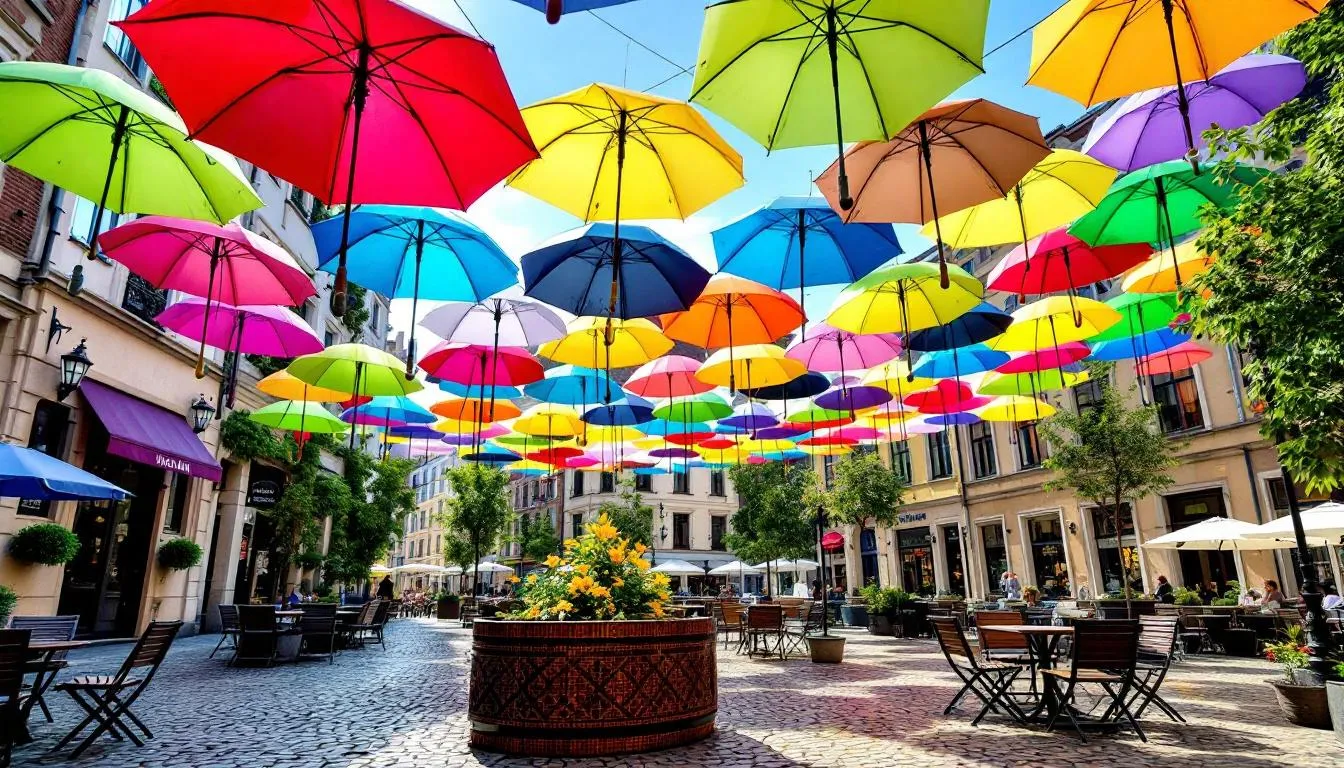
Commercial court also serves as a vibrant social space, with outdoor seating areas where visitors can enjoy drinks while admiring the surroundings. The combination of historic architecture, contemporary art, and lively atmosphere makes this small street a perfect embodiment of the cathedral quarter’s unique character.
The Merchant Hotel
Housed in a magnificent listed building that originally served as the ulster bank headquarters, the merchant hotel stands as one of belfast’s most luxurious establishments and architectural landmarks. Built in 1860 and designed by james hamilton, the building showcases stunning italianate exterior architecture combined with opulent victorian interior design.
The hotel’s most famous feature is the great room restaurant, which houses ireland’s largest chandelier – a spectacular crystal creation that dominates the space with its grandeur. This room alone justifies a visit, whether for afternoon tea, dining, or simply admiring the preserved victorian splendor.
Beyond its role as luxury accommodation, the merchant hotel serves as a cultural landmark that demonstrates how historic buildings can be successfully adapted for contemporary use while preserving their architectural integrity. The building’s transformation from bank to hotel has been so successful that it’s become a model for similar projects throughout the quarter.
Game of Thrones Doors
The cathedral quarter houses one of the ten intricately carved game of thrones doors, located at the dark horse restaurant on hill street. These doors were created from trees blown down in storms throughout northern ireland and carved by local artists to depict scenes from the popular television series that filmed extensively across the region.
The door at dark horse features detailed carvings that tell part of the game of thrones story while celebrating northern ireland’s connection to this global phenomenon. The location provides an excellent opportunity for fans to connect with the series while exploring the cathedral quarter’s dining scene.
This attraction represents how the quarter successfully incorporates contemporary cultural references while maintaining its historic character. The game of thrones doors have become part of a tourist trail that brings visitors throughout belfast and northern ireland, with the cathedral quarter serving as a key stop on this popular route.
Best Pubs and Bars in the Cathedral Quarter
The cathedral quarter boasts some of belfast’s most atmospheric and historically significant drinking establishments. These pubs and bars offer everything from traditional irish music sessions to innovative cocktails, all within the unique setting of cobbled streets and historic architecture.
Duke of York
Perhaps no establishment better captures the spirit of the cathedral quarter than the duke of york, belfast’s most photographed pub. Located down a narrow cobbled alley, this legendary establishment has become synonymous with the area’s charm and character.
The pub’s exterior is as famous as its interior, featuring outdoor benches surrounded by colorful umbrellas and an eclectic collection of memorabilia that creates an almost fairy-tale atmosphere. Inside, every surface seems covered with mirrors, pictures, and traditional pub artifacts that create an authentic irish pub experience that tourists dream about but locals genuinely enjoy.
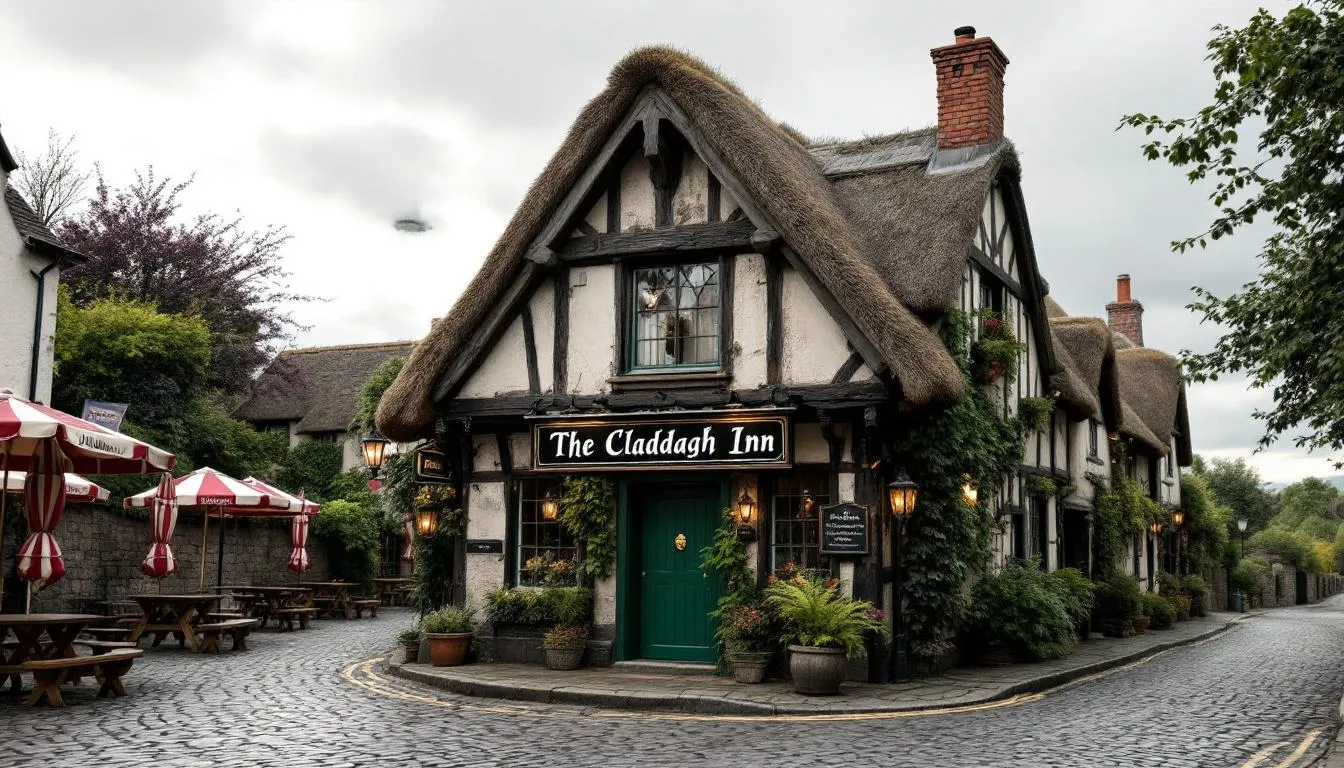
What sets the duke of york apart is its extensive whiskey collection, featuring over 1,000 varieties that represent one of the finest selections in northern ireland. The pub’s lively atmosphere, especially during weekends, creates an authentic experience that perfectly balances tourist appeal with genuine local character.
The duke of york also serves as a cultural venue, hosting live music sessions and serving as a gathering place for artists, musicians, and writers who contribute to the quarter’s creative energy. This combination of excellent drinks, atmospheric setting, and cultural significance makes it an essential stop for anyone exploring the cathedral quarter.
McHugh’s
Housed in one of belfast’s oldest buildings, dating to 1711, mchugh’s offers visitors a chance to drink in a space that has witnessed over three centuries of the city’s history. This historic building was originally a warehouse and residence, and its transformation into a pub has preserved many original features that transport visitors back in time.
The interior showcases exposed brick walls and wooden beams that create an authentic historic atmosphere. These architectural elements, combined with traditional irish pub décor, create a setting where the past feels tangible and present. The building’s age and character make it one of the most atmospheric drinking establishments in the cathedral quarter.
Mchugh’s has earned a reputation for excellent traditional music sessions that take place regularly throughout the week. Musicians gather in the intimate space to play traditional irish tunes, creating an authentic cultural experience that connects visitors with ireland’s musical heritage. The pub also prides itself on serving quality guinness and traditional pub food that complements the historic setting.
The Dirty Onion
Located in what claims to be belfast’s oldest building, dating from 1680, the dirty onion occupies a former warehouse that has been carefully restored to create one of the quarter’s most popular music venues. The building’s age and industrial heritage create a unique atmosphere that perfectly embodies the cathedral quarter’s blend of history and contemporary culture.
The pub features a large beer gardens that provides outdoor space for drinking and socializing, while the interior offers a cozy environment with a peat fire during winter months. This combination of indoor and outdoor spaces makes the dirty onion suitable for year-round enjoyment and various types of social gatherings.
What truly distinguishes the dirty onion is its commitment to live music, hosting sessions seven nights a week. This consistent programming has established the venue as belfast’s premier destination for traditional irish music and contemporary acoustic performances. Musicians and music lovers alike consider it an essential venue for experiencing belfast’s vibrant music scene.
The combination of historic setting, excellent music programming, and welcoming atmosphere has made the dirty onion a cornerstone of the cathedral quarter’s nightlife and cultural scene.
The Spaniard
The spaniard brings something completely different to the cathedral quarter’s drinking scene. This unique rum bar, opened in 2006, occupies a location opposite the merchant hotel and has carved out a distinctive niche with its old-world interior design and specialty cocktails.
The bar’s atmosphere transports visitors to a different time and place, with carefully chosen décor that creates an intimate, almost secretive environment. This attention to ambiance makes the spaniard particularly popular with those seeking a more sophisticated drinking experience within the quarter’s diverse nightlife offerings.
The spaniard specializes in rum-based cocktails and offers an extensive selection of premium spirits that appeal to serious drinkers and cocktail enthusiasts. Weekend live music performances add to the venue’s appeal, featuring acoustic sets that complement the intimate atmosphere.
This establishment demonstrates the cathedral quarter’s ability to support diverse types of venues, from traditional pubs to innovative cocktail bars, all within a small geographic area that encourages exploration and discovery.
Where to Eat in the Cathedral Quarter
The dining scene in the cathedral quarter reflects the area’s transformation into a sophisticated cultural destination. From michelin starred restaurants to casual eateries, the quarter offers culinary experiences that match the quality of its cultural attractions.
The Muddlers Club
Named after a historic secret society that once met in belfast, the muddlers club has achieved the highest recognition in fine dining by earning a michelin star. Head chef gareth mccaughey has created a restaurant that celebrates local produce while presenting it with international sophistication.
The restaurant’s setting perfectly captures the cathedral quarter’s industrial heritage, with dark, warm post-industrial décor that creates an intimate atmosphere. This design approach makes dining at the muddlers club feel like discovering a hidden gem, which perfectly fits the restaurant’s name and the quarter’s character.
The menu changes seasonally to showcase the best of northern ireland’s produce, with dishes that demonstrate both technical skill and creative vision. The restaurant offers both à la carte dining and tasting menu options, allowing visitors to experience chef mccaughey’s cuisine at different levels of engagement.
Reservations are essential at this popular establishment, and the restaurant’s reputation extends far beyond belfast, attracting food enthusiasts from around the world who consider it a destination in itself.
Coppi
Located on st anne’s square, coppi draws inspiration from venetian cicchetti bars to create a unique dining experience in the heart of the cathedral quarter. Run by andrea and chef tony o’neill, this restaurant has quickly established itself as a favorite among both locals and visitors.
The menu features innovative small plates that encourage sharing and exploration. Signature dishes include feta fritters with truffle aioli and duck arancini, both of which demonstrate the kitchen’s ability to combine familiar ingredients in unexpected ways. The slow-braised beef shin lasagne has become particularly popular, representing the restaurant’s approach to elevating comfort food.
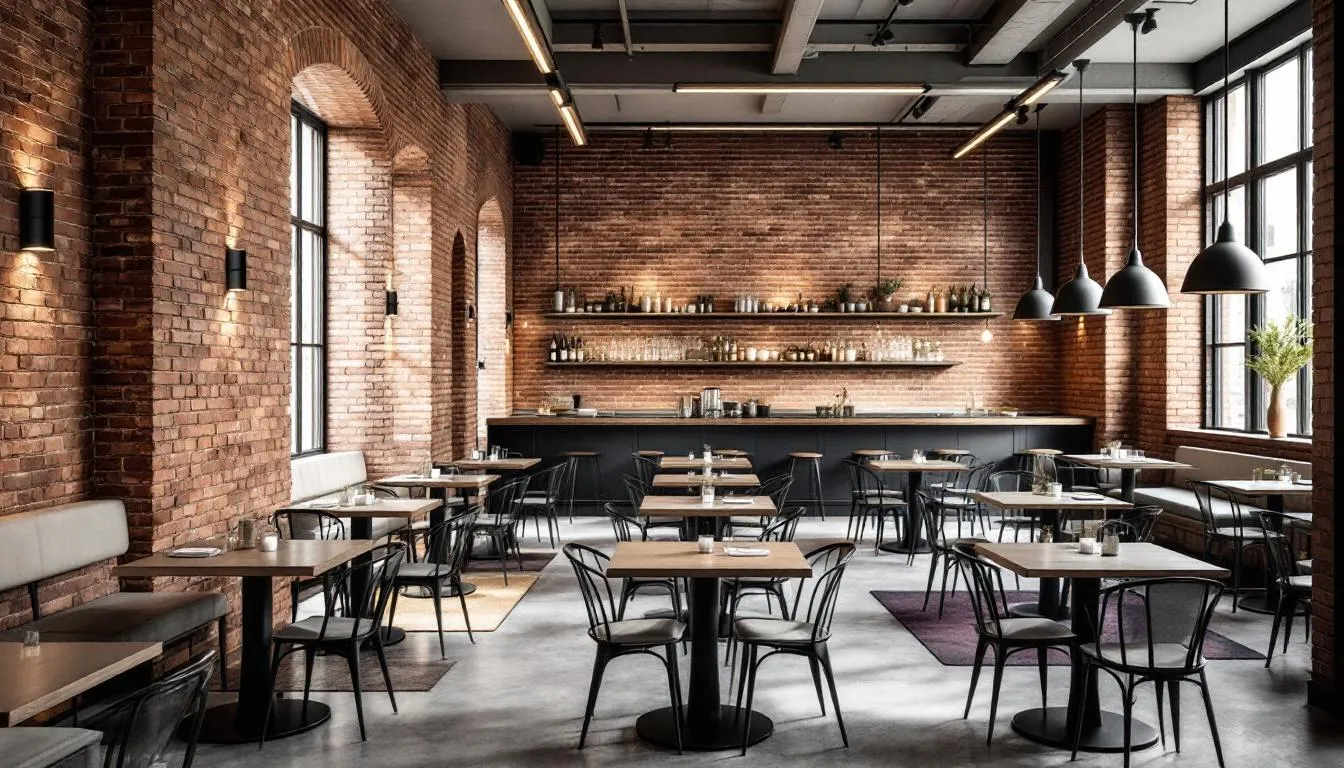
Coppi’s location on st anne’s square provides excellent people-watching opportunities, while the interior creates a warm, welcoming atmosphere that encourages relaxed dining. The restaurant’s approach to food and service reflects the cathedral quarter’s blend of sophistication and accessibility.
The venue’s success demonstrates how the quarter’s dining scene has evolved to offer high-quality cuisine in settings that honor the area’s architectural heritage while providing contemporary comfort and style.
The Great Room Restaurant
Located within the merchant hotel, the great room restaurant offers dining in one of belfast’s most spectacular historic interiors. The preserved victorian architecture creates an atmosphere of grandeur that few restaurants anywhere can match, while the culinary program provides food worthy of the setting.
The restaurant serves lunch, afternoon tea, dinner, and special tasting menu options, allowing visitors to experience the space at different times and in various formats. The afternoon tea service is particularly popular, offering traditional british elegance enhanced by the room’s architectural splendor and ireland’s largest chandelier.
The menu focuses on modern interpretations of classic dishes, using high-quality local ingredients presented with contemporary techniques. The kitchen’s approach complements the room’s balance between historic grandeur and modern comfort.
Dining in the great room restaurant provides more than just a meal; it offers an experience that combines culinary excellence with architectural appreciation, making it a perfect representation of what the cathedral quarter offers to sophisticated visitors.
Practical Information for Visiting
Planning a visit to the cathedral quarter requires consideration of timing, transportation, and logistics that will maximize your experience in this compact but rich cultural district.
The best times to visit depend on your interests and preferences. The quarter comes alive in the evenings when pubs fill with locals and tourists, live music begins, and the street lighting creates a magical atmosphere along the cobbled streets. However, daytime visits offer better opportunities for exploring art exhibitions, shopping, and appreciating the architecture without crowds.
Seasonal considerations play a role in planning your visit. Spring and summer provide the best weather for enjoying outdoor seating areas and beer gardens, while autumn and winter offer cozy indoor atmospheres with peat fires and warm pub environments. The quarter hosts various cultural events throughout the year, including festivals that can significantly enhance your visit if timed correctly.
Getting to the cathedral quarter is straightforward from anywhere in belfast city centre. The area is within easy walking distance of the main shopping districts along royal avenue, and most of belfast’s major attractions are within a short walk. The compact nature of the quarter means you can easily explore the entire area on foot in a single day.
Transportation connections include regular bus services along donegall street and other main roads that border the quarter. For visitors staying elsewhere in belfast, taxi services provide convenient access, though the area’s pedestrian-friendly nature makes walking the preferred method of exploration once you arrive.
Most attractions within the quarter can be visited in a half-day, though food enthusiasts and nightlife lovers might easily spend a full day and evening experiencing everything the area offers. The proximity of attractions means you can easily combine cultural visits with dining and drinking experiences.
Where to Stay in the Cathedral Quarter
The cathedral quarter offers accommodation options that range from luxury experiences to budget-friendly alternatives, allowing visitors to stay in the heart of belfast’s cultural district regardless of their travel budget.
Luxury Option: The Merchant Hotel
For visitors seeking the ultimate luxury experience, the merchant hotel provides 5-star accommodation within one of belfast’s most historically significant buildings. Staying here places you at the epicenter of the cathedral quarter while providing access to world-class amenities and service.
The hotel’s rooms feature elegant décor that honors the building’s victorian heritage while providing modern comfort and conveniences. Many rooms offer views of the surrounding historic streets, allowing guests to watch the quarter come alive throughout the day and evening.
Beyond accommodation, the merchant hotel provides multiple dining options, including the great room restaurant and various bars that offer different atmospheres and experiences. The hotel’s afternoon tea service has become legendary, featuring ireland’s largest chandelier as a backdrop to this quintessentially british tradition.
The hotel’s rooftop facilities provide unique perspectives over belfast, while the central location makes it easy to explore not just the cathedral quarter but all of belfast’s main attractions. Rates reflect the luxury positioning, but the experience justifies the investment for special occasions or when seeking the finest accommodation belfast offers.
Budget Option: Quarter by Warren Collection
For budget-conscious travelers who still want to stay within the cathedral quarter, quarter by warren collection provides comfortable, cozy accommodation with excellent value for money. This option allows visitors to experience staying in the cultural heart of belfast without the luxury hotel price point.
The accommodation features self-catering facilities and access to a communal kitchen, making it practical for longer stays or for travelers who prefer flexibility in their dining arrangements. Continental breakfast service provides a convenient start to days spent exploring the quarter and wider belfast.
The location provides easy access to all the quarter’s attractions while maintaining the convenience of staying within walking distance of transport links for exploring other parts of belfast and northern ireland. The accommodation represents excellent value for visitors whose primary focus is exploring the city rather than luxury amenities.
This option demonstrates how the cathedral quarter accommodates visitors with different priorities and budgets while maintaining the authentic experience of staying within belfast’s most culturally vibrant neighborhood.
The cathedral quarter belfast stands as northern ireland’s premier cultural destination, where centuries of history blend seamlessly with contemporary creativity. From the magnificent st anne’s cathedral to the colorful street art adorning cobblestone streets, from michelin starred restaurants to traditional pubs hosting live music sessions, this compact district offers experiences that capture both the essence of historic belfast and the energy of the modern city.
Whether you’re drawn by the architectural beauty of historic buildings, the creativity of the arts scene centered around the metropolitan arts centre, or the warm atmosphere of establishments like the duke of york and the dirty onion, the cathedral quarter provides authentic experiences that connect visitors with the true spirit of belfast. The area’s transformation from industrial hub to cultural heart demonstrates how cities can honor their past while embracing their future.
As you plan your visit to belfast, make the cathedral quarter a central part of your itinerary. The district’s walkable size allows you to experience its full range of offerings, while its central location makes it an ideal base for exploring the wider city. Whether you stay at the luxury merchant hotel or choose budget-friendly accommodation, you’ll find yourself in the beating heart of northern ireland’s most dynamic cultural scene.