
Nothing quite captures the essence of Northern Ireland like a proper Ulster fry. This magnificent breakfast feast represents more than just a meal—it’s a cultural institution that has fueled generations of Irish workers and continues to delight food enthusiasts from around the world. Whether you’re planning a visit to Northern Ireland or want to bring this authentic tradition into your own kitchen, mastering the Ulster fry opens the door to experiencing one of the region’s most beloved culinary treasures.
From its humble origins serving agricultural workers to its current status as a tourist attraction, the Ulster fry has evolved into something truly special. This comprehensive guide will walk you through everything you need to know about creating an authentic Ulster fry, from understanding its cultural significance to mastering the cooking techniques that make this breakfast legendary.
What is an Ulster Fry
The Ulster fry stands as Northern Ireland’s signature cooked breakfast, representing a distinctive regional variation that sets itself apart from breakfast traditions found throughout great britain and ireland. This hearty meal originated in the Ulster province and has become deeply embedded in northern ireland’s cultural identity, earning recognition as a major part of the region’s heritage.
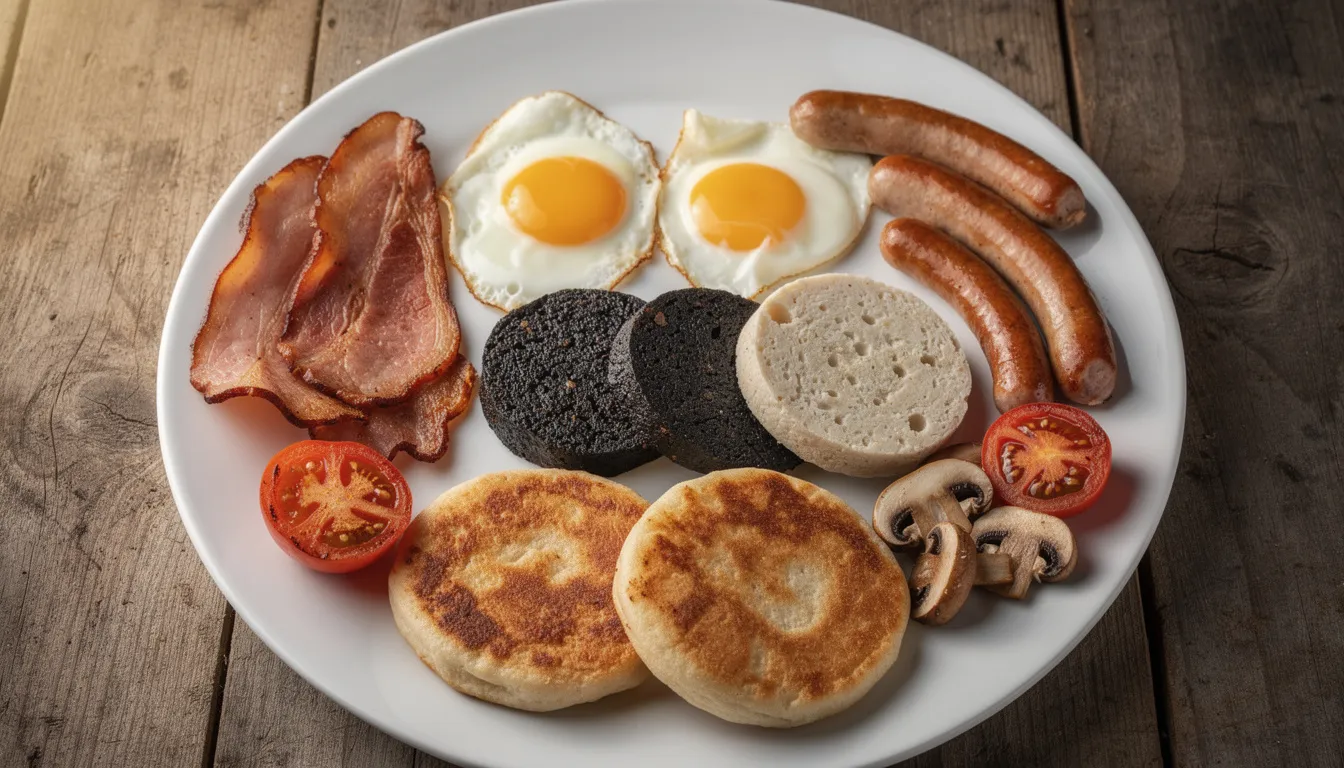
Unlike many breakfast dishes that remain confined to morning hours, the Ulster fry enjoys remarkable flexibility in northern ireland, where locals eat this substantial meal throughout the day. This versatility speaks to its role as comfort food and cultural touchstone rather than merely morning sustenance.
The dish emerged from practical needs, originally created by Irish farmers who required a large, satisfying meal before commencing demanding agricultural labor. This working-class origin has transformed over time, with the Ulster fry now serving as both a cherished local tradition and an attraction eagerly sought out by tourists visiting the region.
What makes the northern ireland ulster fry particularly special is its ability to serve multiple cultural functions simultaneously. It operates as a weekend treat for families, a hearty option in restaurants and cafes, and a centerpiece for special occasions. The dish transcends its utilitarian origins to become what television personality Christine Lampard describes as “a magnificent feast.”
The traditional ulster fry differs significantly from breakfast offerings in neighboring regions, primarily through its specific ingredient combinations and preparation methods. This breakfast represents a unique fusion of Irish agricultural traditions with British culinary influences, creating something entirely distinctive to Northern Ireland’s food culture.
Essential Ulster Fry Ingredients
Creating an authentic Ulster fry requires specific ingredients that work together to create the dish’s signature taste and texture. Understanding each component and its role helps ensure your final result captures the true essence of this northern ireland tradition.
Meat Components
Back bacon forms the protein foundation of any proper Ulster fry. Traditional preparation calls for thick-cut Irish rashers, which provide the rich, smoky flavor that distinguishes this breakfast from its international counterparts. The cooked bacon should achieve a golden brown color while retaining enough fat to contribute to cooking other ingredients.
Pork sausages represent another crucial protein element, typically requiring two Irish-style sausages per serving. These sausages differ from standard varieties through their seasoning blends and meat-to-fat ratios, which create the distinctive taste profile associated with authentic Ulster fry preparations.
Black pudding and white pudding provide the dish’s most distinctive elements, setting it apart from english breakfast traditions. Black pudding, essentially a blood sausage made with beef blood, oatmeal, and spices, should be sliced approximately 2 centimeters thick. White pudding follows similar preparation but omits the blood, creating a lighter-colored alternative with its own unique taste.
The Egg Component
Fried eggs serve as the crowning element of any Ulster fry, with most preparations calling for one egg per serving. The eggs should be cooked over medium heat in a small pan with a little oil, achieving the perfect balance between set whites and appropriately cooked yolks according to personal preference.
Vegetable Elements
Fried mushrooms add earthy depth to the meal, typically prepared by sautéing in butter until they achieve a golden brown appearance. Grilled tomatoes provide acidity that cuts through the richness of the meat components, usually halved, seasoned with salt and pepper, and cooked until warm and soft.
Baked beans, while not traditional to the earliest Ulster fry versions, have become commonly accepted additions in contemporary preparations. These should be heated in a small pan over low heat until thoroughly warm.
Traditional Irish Breads
The bread components of an Ulster fry represent perhaps its most distinctive and essential elements, setting this breakfast apart from all other regional variations found throughout the British Isles.
Potato farls constitute the most iconic bread element of any authentic Ulster fry. These are made from a soft dough combining mashed potatoes, flour, salt, and butter. The preparation involves mixing leftover mashed potatoes with enough flour to create workable dough, then rolling flat and cutting into triangular portions. The farls are then cooked on a hot griddle until they achieve a golden brown exterior with a soft, fluffy interior.
To prepare potato farls, start by combining cold mashed potatoes with flour, gradually add salt and a small amount of melted butter. Knead lightly until the mixture forms a cohesive dough that sounds hollow when tapped. Roll the dough to about half-inch thickness, cut into quarters, and cook on a medium heat griddle with a small amount of olive oil until both sides turn golden brown.
Soda bread represents the second essential bread component, made using a traditional Irish recipe involving flour, buttermilk, and baking soda. This bread should be baked in the oven until it achieves a golden brown crust and sounds hollow when tapped on the bottom. The soda bread provides a slightly tangy flavor that complements the richness of the other Ulster fry components.
For authentic soda bread, combine flour, baking soda, and salt in a large bowl. Gradually add buttermilk while mixing until a soft dough forms. Shape into a round loaf, place on a baking tray, and bake in a preheated oven until the bread sounds hollow when tapped.
Wheaten bread serves as an alternative option for those seeking variety in their bread selections. This whole grain option provides additional texture and nutritional value while maintaining the authentic Irish character essential to a proper Ulster fry.
The quality and preparation of these traditional breads often determine the overall success of an Ulster fry. Many enthusiasts consider the soda bread the best part of the entire meal, highlighting the importance of mastering these traditional Irish baking techniques.
How Ulster Fry Differs from Other Breakfasts
Understanding the distinctions between the Ulster fry and other regional breakfast traditions helps appreciate its unique place in culinary history and cultural significance.
Comparison with Full English Breakfast
The full english breakfast shares several components with the Ulster fry but lacks the distinctive Irish bread elements that define the northern ireland tradition. While both include cooked bacon, sausages, fried eggs, and beans, the English version typically incorporates grilled tomatoes, fried mushrooms, and standard toast rather than the potato farls and soda bread essential to Ulster fry authenticity.
Hash browns occasionally appear in contemporary Ulster fry variations, representing English influence, but traditional preparations focus on potato bread rather than these processed alternatives. The English breakfast also tends to include a broader variety of vegetables, while the Ulster fry maintains a more focused ingredient list centered around its distinctive bread components.
Distinctions from Full Irish Breakfast
The full irish breakfast, popular throughout Southern Ireland, shares the Ulster fry’s emphasis on hearty portions and quality ingredients but differs in several key areas. While both feature bacon, sausages, black and white pudding, and fried eggs, the Southern Irish version typically includes different bread types and may incorporate additional vegetables.
The full irish breakfast often emphasizes fried mushrooms and grilled tomatoes more prominently than Ulster fry preparations. Additionally, the specific types of soda bread and the inclusion of potato farls distinguish the northern ireland ulster fry as a unique regional variant rather than simply a Northern Irish interpretation of the broader Irish breakfast tradition.
Unique Northern Irish Elements
Several elements set the Ulster fry apart as distinctly Northern Irish. The potato farls represent the most significant distinguishing feature, as these traditional Irish breads rarely appear in other regional breakfast variations. The specific combination of black and white pudding, while found in other Irish breakfasts, takes on particular importance in Ulster fry presentations.
The cultural significance of tea as an accompaniment also distinguishes the Ulster fry experience. Traditional Irish breakfast tea serves as the preferred beverage pairing, creating an integrated cultural experience rather than simply a meal. This beverage tradition connects directly to the dish’s historical development and cultural role within Northern Irish society.
The Ulster fry’s flexibility regarding serving times also sets it apart from many breakfast traditions that remain confined to morning consumption. In northern ireland, this fry up serves as acceptable fare for lunch or dinner, demonstrating its role as comfort food rather than strictly breakfast fare.
Step-by-Step Cooking Instructions
Successfully preparing an Ulster fry requires careful coordination and timing to ensure all components reach the plate hot and perfectly cooked. This comprehensive approach will guide you through the process systematically.
Preparation and Setup
Begin by preheating your oven to 350°F for cooking meats and 200°F for keeping finished components warm. This dual-temperature approach ensures optimal cooking while preventing overcooking of early-finished items.
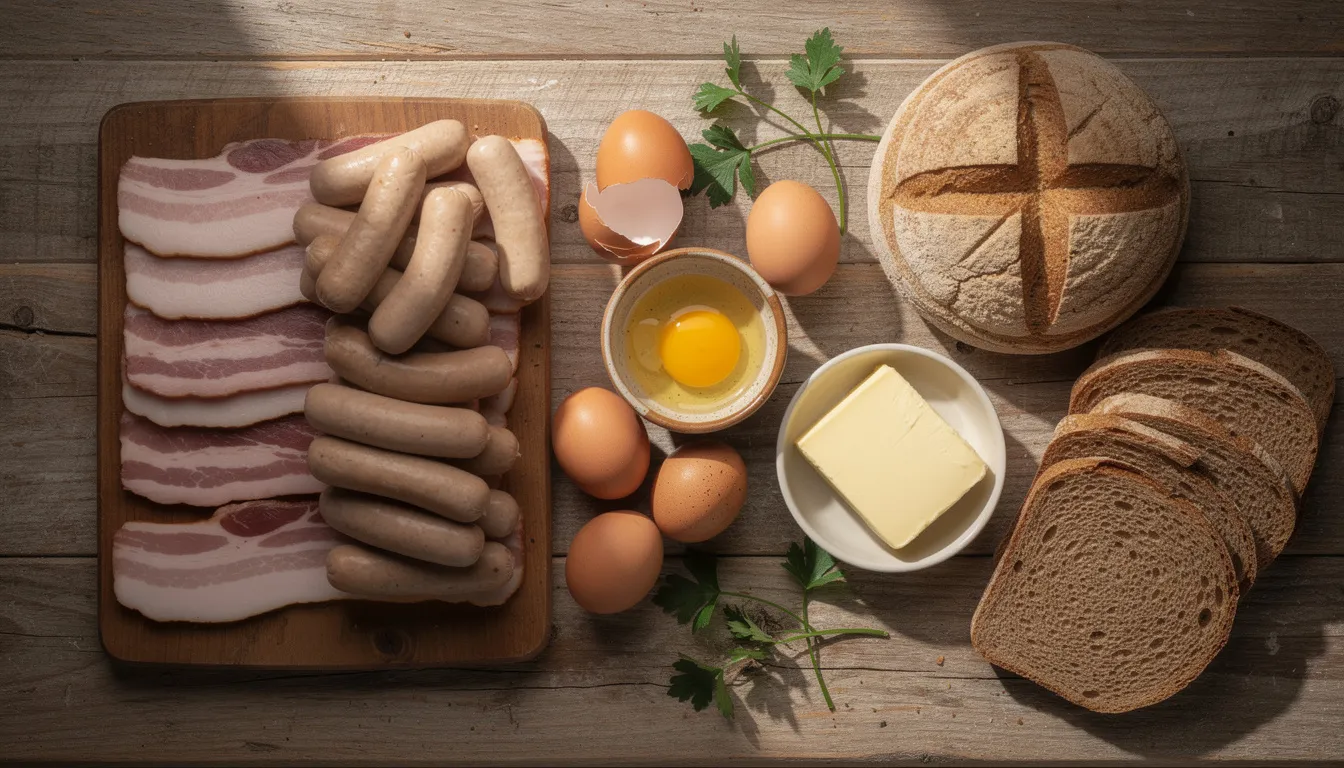
Gather all the ingredients before beginning: Irish sausages, back bacon, black and white pudding, eggs, mushrooms, tomatoes, baked beans, potato farls, and soda bread. Having everything accessible prevents timing issues during the cooking process.
Set up multiple cooking surfaces including a large frying pan for meats, a griddle for breads, and a small pan for eggs. This multi-surface approach allows simultaneous preparation of different components.
Order of Cooking
Start with components requiring the longest cooking time and gradually add quicker-cooking elements. This systematic approach prevents any component from becoming cold while waiting for others to finish.
First Phase (15-20 minutes before serving): Begin with sausages, as these require the longest cooking time. Place them in the large frying pan over medium heat, turning regularly to achieve even browning. Cook until they reach proper internal temperature and develop golden brown exteriors.
Second Phase (10-15 minutes before serving): Add back bacon to the pan with the sausages, using any rendered fat from the sausages to enhance flavor. Cook the bacon until it reaches the desired level of crispness while maintaining some flexibility.
Third Phase (8-10 minutes before serving): Slice black and white pudding approximately 2 centimeters thick and add to the pan. These components require gentle heating to warm through and develop golden brown surfaces without overcooking.
Cooking the Meats
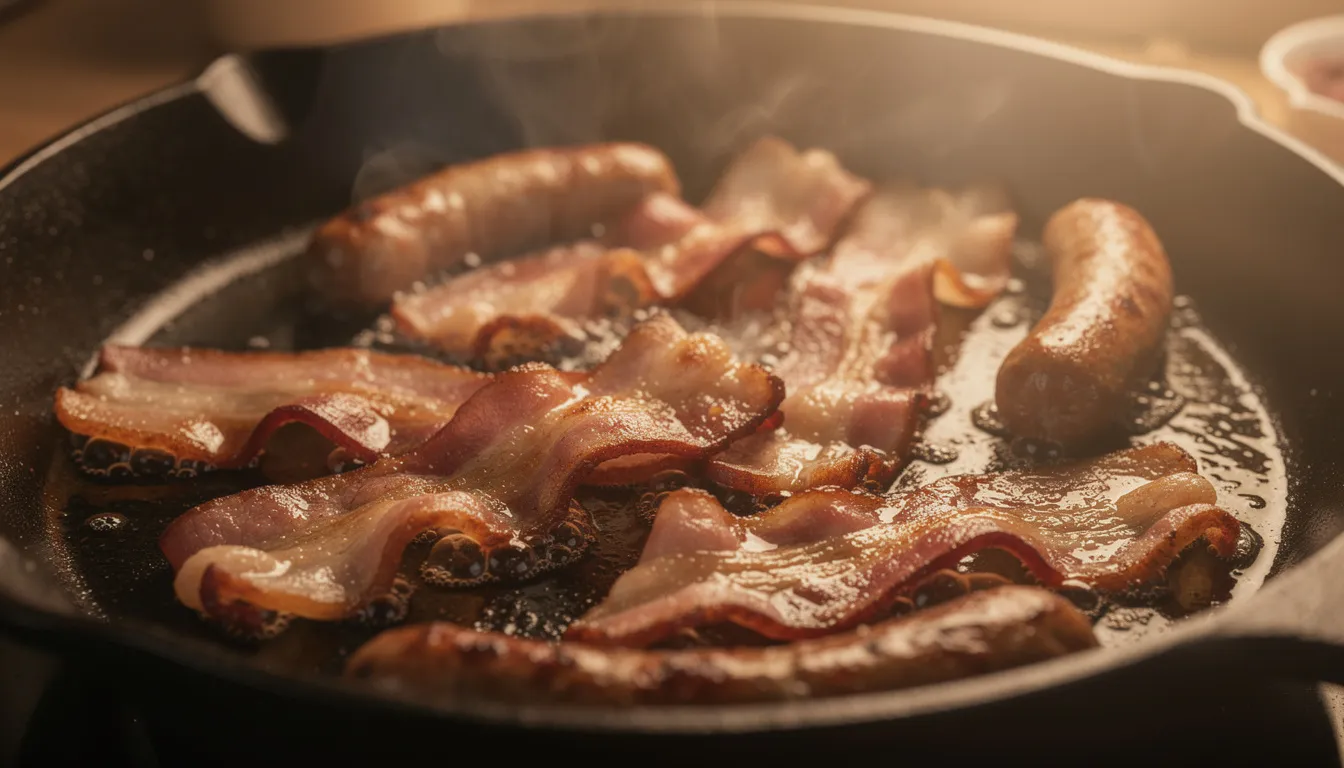
Monitor meat cooking carefully to achieve optimal results. Sausages should reach proper internal temperature while developing evenly browned exteriors. Turn them regularly to prevent burning while ensuring thorough cooking.
Cook the bacon until it achieves golden brown color while retaining enough flexibility to complement other components. Save any rendered bacon fat for cooking other ingredients, as this adds authentic flavor to vegetables and breads.
Handle black and white pudding gently during cooking, as these can break apart if manipulated too aggressively. Heat them through until warm and lightly golden on both surfaces, then transfer to the oven set at 200°F to keep warm.
Preparing Vegetables and Eggs
Mushrooms: Heat butter in a small pan over medium heat. Add sliced mushrooms and cook until they release moisture and achieve golden brown edges. Season with salt and pepper according to taste.
Tomatoes: Cut tomatoes in half, season with salt and pepper, and add a sprinkle of sugar. Place on a baking tray with small butter portions on top. Cook in the 350°F oven until soft and warm throughout.
Beans: Heat baked beans in a small pan over low heat, stirring occasionally until thoroughly warm. Avoid high heat that might cause sticking or burning.
Eggs: Use a non-stick frying pan with a small amount of oil over medium heat. Crack eggs into the pan and cook according to preference, whether that’s sunny-side up, over easy, or fully cooked through.
Breads: Heat the griddle over medium heat and cook potato farls until golden brown on both sides. Warm soda bread slices on the griddle or in a dry pan until heated through and lightly toasted.
Ingredient Substitutions and Variations
Understanding substitution options helps make Ulster fry accessible regardless of location or dietary requirements, while maintaining as much authenticity as possible.
International Bacon Alternatives
When Irish back bacon isn’t available, seek thick-cut bacon with minimal processing. Canadian bacon provides a closer approximation than American breakfast bacon due to its cut and fat distribution. British back bacon serves as an excellent substitute if accessible.
Avoid thin-cut or heavily processed bacon varieties that won’t provide the substantial texture and flavor essential to authentic Ulster fry character. The goal is finding bacon that maintains some fat content while providing substantial meat portions.
Sausage Substitutions
Irish sausages possess specific seasoning blends and meat-to-fat ratios that distinguish them from other varieties. When unavailable, seek high-quality pork sausages with minimal fillers and natural casings. British bangers provide reasonable approximations if Irish varieties aren’t accessible.
Avoid heavily processed or low-fat sausage alternatives that won’t provide the rich flavor and substantial texture expected in authentic Ulster fry preparations.
Black Pudding Alternatives
Black pudding represents one of the most challenging components to substitute, as blood sausage varies significantly between regions and cultures. Spanish morcilla or German blutwurst can provide reasonable alternatives, though flavors will differ from traditional Irish versions.
For those unable to source blood sausage, consider omitting rather than substituting, as inadequate alternatives can detract from the overall Ulster fry experience.
Bread Substitutions
When traditional Irish breads aren’t available, focus on creating homemade versions using authentic recipes rather than substituting with completely different bread types. Potato farls can be made from scratch using basic ingredients available in most locations.
For soda bread, standard ingredients like flour, buttermilk, and baking soda are widely available, making homemade preparation the preferred option over inadequate store-bought substitutes.
Vegetarian Modifications
Creating vegetarian Ulster fry versions requires thoughtful substitutions that maintain the meal’s hearty character. Vegetarian sausages and bacon alternatives have improved significantly, though results will differ from traditional versions.
Focus on high-quality plant-based alternatives rather than heavily processed options. Consider increasing potato farl and vegetable portions to maintain the substantial, satisfying character essential to Ulster fry appeal.
Serving and Presentation Tips
Proper presentation elevates the Ulster fry from simple breakfast to cultural experience, honoring the traditions that make this meal special.
Traditional Accompaniments
Strong tea serves as the traditional beverage pairing, specifically Irish breakfast tea that complements the meal’s rich flavors. Brew the tea properly, allowing sufficient steeping time to achieve the robust character that balances the breakfast’s heaviness.
HP sauce and other brown sauces provide traditional condiment options, though many purists prefer the Ulster fry without additional saucing to appreciate each component’s individual flavors.
Plating Arrangement
Arrange components thoughtfully on the plate rather than simply piling everything together. Place larger items like sausages and bacon prominently, with smaller elements like pudding slices positioned for easy access.
Position the fried eggs to avoid breaking yolks during plating. Many prefer eggs slightly off-center to prevent them from overwhelming other components visually.
Arrange bread components accessibly, as these often serve as vehicles for other ingredients during consumption. Ensure potato farls and soda bread maintain their warmth through proper timing and placement.
Portion Sizes and Timing
Standard Ulster fry portions assume hearty appetites, typically including two of each meat component per serving. Adjust quantities based on individual preferences and appetites, but maintain component ratios for authentic flavor balance.
Serve immediately while all components remain hot. The Ulster fry doesn’t hold well, making timing crucial for optimal presentation and enjoyment.
Best Serving Times
While traditionally a breakfast dish, the Ulster fry in northern ireland serves appropriately for brunch, lunch, or even dinner occasions. Weekend mornings represent the most traditional serving time, allowing leisurely preparation and consumption.
Special occasions and holiday mornings provide perfect opportunities for Ulster fry preparation, as the meal’s substantial nature and cultural significance make it appropriate for celebratory contexts.
Storage and Food Safety
Proper storage and safety practices ensure Ulster fry components remain safe and delicious when preparing ahead or handling leftovers.
Safe Internal Temperatures
Monitor meat temperatures carefully during cooking. Sausages should reach internal temperatures of 160°F, while bacon should be cooked to preference while ensuring any harmful bacteria are eliminated through proper heating.
Eggs should be cooked to safe internal temperatures, particularly for vulnerable populations. The yolk temperature should reach 160°F for complete safety, though many prefer less-cooked preparations.
Proper Storage Methods
Store leftover components separately in refrigerated containers within two hours of cooking. Meats typically maintain quality for 3-4 days when properly stored, while bread components may become stale more quickly.
Reheat leftovers thoroughly before consuming, ensuring internal temperatures reach safe levels. Some components reheat better than others, with meats generally maintaining quality better than eggs or delicate vegetables.
Freezing Guidelines
Most Ulster fry components freeze reasonably well when properly packaged. Cooked sausages and bacon freeze successfully for up to three months, while black and white pudding can be frozen before or after cooking.
Bread components typically freeze well, particularly when sliced before freezing for easy portion control. Thaw frozen items safely in refrigerated conditions rather than at room temperature.
Food Safety Best Practices
Maintain clean cooking surfaces and utensils throughout preparation. The Ulster fry’s multiple components create numerous opportunities for cross-contamination if proper sanitation isn’t maintained.
Cook components to appropriate temperatures and serve promptly. The substantial nature of Ulster fry preparation makes food safety particularly important given the extended cooking times and multiple components involved.
Ulster Fry for Large Groups
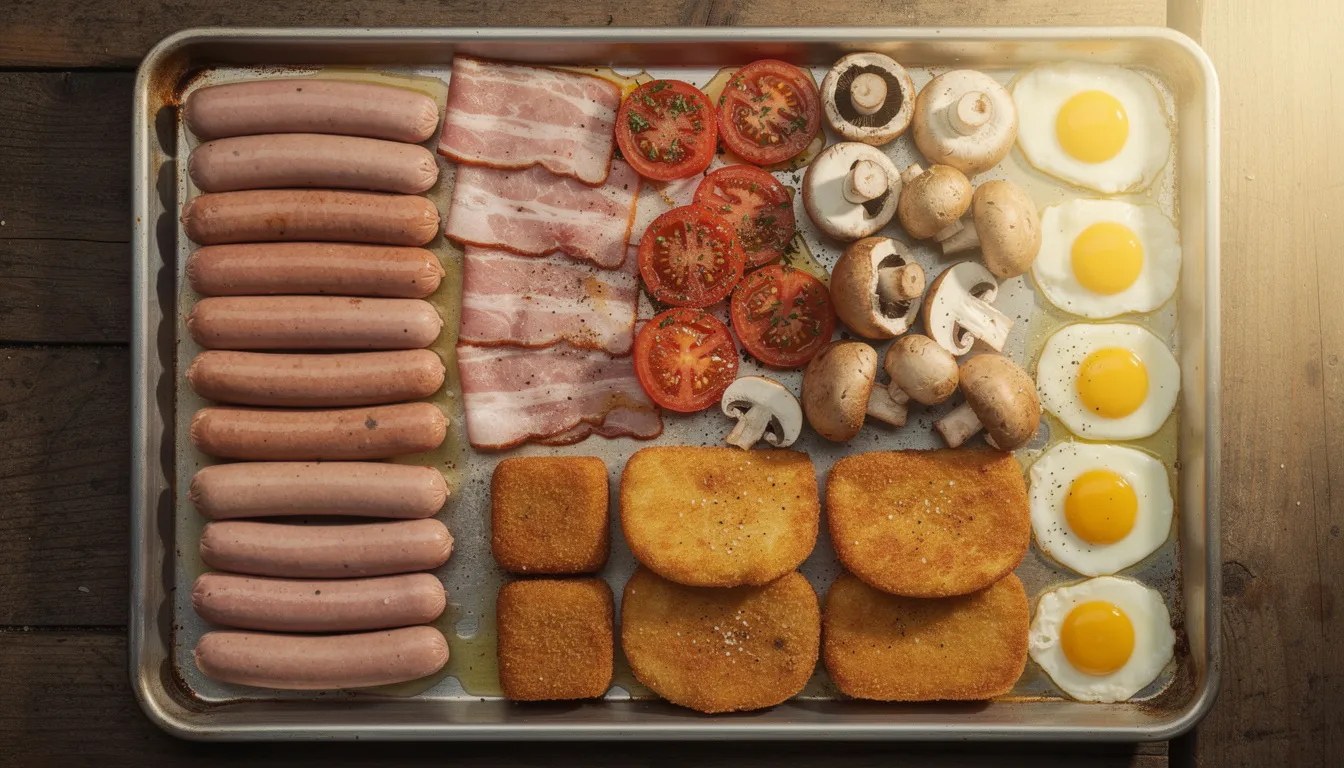
Scaling Ulster fry preparation for crowds requires modified techniques that maintain quality while managing increased quantities efficiently.
Tray Bake Method
Oven preparation becomes essential when cooking for multiple people. Arrange sausages, bacon, and pudding on large baking trays, cooking in batches if necessary to avoid overcrowding.
Use multiple oven racks set at different temperatures to simultaneously cook various components. This approach requires careful timing but enables preparation of substantial quantities without compromising quality.
Scaling Up Ingredient Quantities
Calculate ingredient needs based on standard per-person portions: two sausages, two bacon rashers, two pieces each of black and white pudding, one egg, and appropriate bread portions. Scale these base quantities according to group size.
Consider dietary restrictions and appetite variations when calculating total requirements. Prepare slightly more than calculated needs to accommodate varying consumption patterns.
Equipment Needed for Batch Cooking
Large sheet pans become essential for oven-based preparation methods. Multiple frying pans allow simultaneous cooking of different components, though oven methods often prove more manageable for large quantities.
Warming trays or low-temperature ovens help maintain component temperatures while finishing remaining items. This equipment prevents early-finished components from becoming cold while completing the meal.
Make-Ahead Preparation Strategies
Some components benefit from advance preparation. Soda bread can be baked the day before and reheated, while potato farls can be prepared ahead and finished on the griddle during final preparation.
Pre-slice black and white pudding to save time during active cooking periods. Organize ingredients and equipment the evening before to streamline morning preparation when hosting groups.
Coordinate timing carefully when preparing for crowds, as the Ulster fry’s appeal depends significantly on serving all components hot and fresh. Consider assigning specific components to different helpers to manage the complexity of large-scale preparation.
Conclusion
The Ulster fry represents far more than a breakfast dish—it embodies Northern Ireland’s cultural heritage, agricultural history, and culinary traditions in one magnificent meal. From its humble origins fueling farm workers to its current status as a beloved cultural institution, this hearty breakfast continues to bring people together around tables throughout northern ireland and beyond.
Mastering the Ulster fry requires understanding not just cooking techniques, but appreciating the cultural significance each component brings to the plate. The careful balance of meats, the distinctive Irish breads, and the traditional preparation methods create something truly special that reflects centuries of culinary evolution and regional pride.
Whether you’re exploring your Northern Irish heritage, planning a cultural culinary adventure, or simply seeking to expand your breakfast repertoire, the Ulster fry offers a rewarding challenge that connects you to authentic Irish traditions. Take the time to source quality ingredients, master the traditional bread preparations, and embrace the cultural experience this remarkable breakfast provides.
The next time you wake up craving something truly substantial and satisfying, remember that few meals can match the hearty contentment of a properly prepared Ulster fry. Gather your ingredients, fire up the griddle, and prepare to experience Northern Ireland’s greatest contribution to the world of breakfast cuisine.