Curious about what’s the national animal of Ireland? Look no further. Ireland does not have an official national animal. Many Irish symbols, including the national animal, are not established through official acts or legislation, but rather through tradition and common usage. However, the Irish Mountain Hare is often considered the unofficial emblem due to its deep roots in traditional mythology and its widespread presence across the country. This article explores the role of the Irish Mountain Hare in Irish culture, while also delving into other national symbols that together weave the rich cultural tapestry of Ireland. Unlike in some other countries, where national symbols are formally recognized by law or official acts, Ireland relies more on tradition and cultural acceptance for its national symbols.
Key Takeaways
- The Irish Mountain Hare is regarded as Ireland’s unofficial national animal, celebrated for its cultural significance and presence in Irish folklore, despite the country not having an official designated national animal.
- Irish national symbols include the Northern Lapwing as the national bird and the Course Fish group as Northern Ireland’s national fish, alongside the sessile oak as the national tree and the shamrock as Ireland’s national plant, reflecting a wide respect for biodiversity and natural heritage.
- Ireland’s identity is also shaped by its musical and culinary traditions, with the Celtic harp and Irish dance being national symbols, and Irish whiskey and stout—stout being recognized as Ireland’s national beer—alongside dishes like Irish stew, bacon and cabbage, and the full Irish breakfast, which are considered examples of Ireland’s national dishes, serving as key elements of its cultural heritage.
What is a National Animal?
A national animal is much more than just a creature native to a country—it’s a living emblem that embodies the spirit, values, and natural heritage of a nation. Chosen for their symbolic significance, national animals often reflect the unique history, culture, and environment of the country they represent. Sometimes these animals are officially designated by government acts, while in other cases, like Ireland, they become national symbols through tradition and common usage.
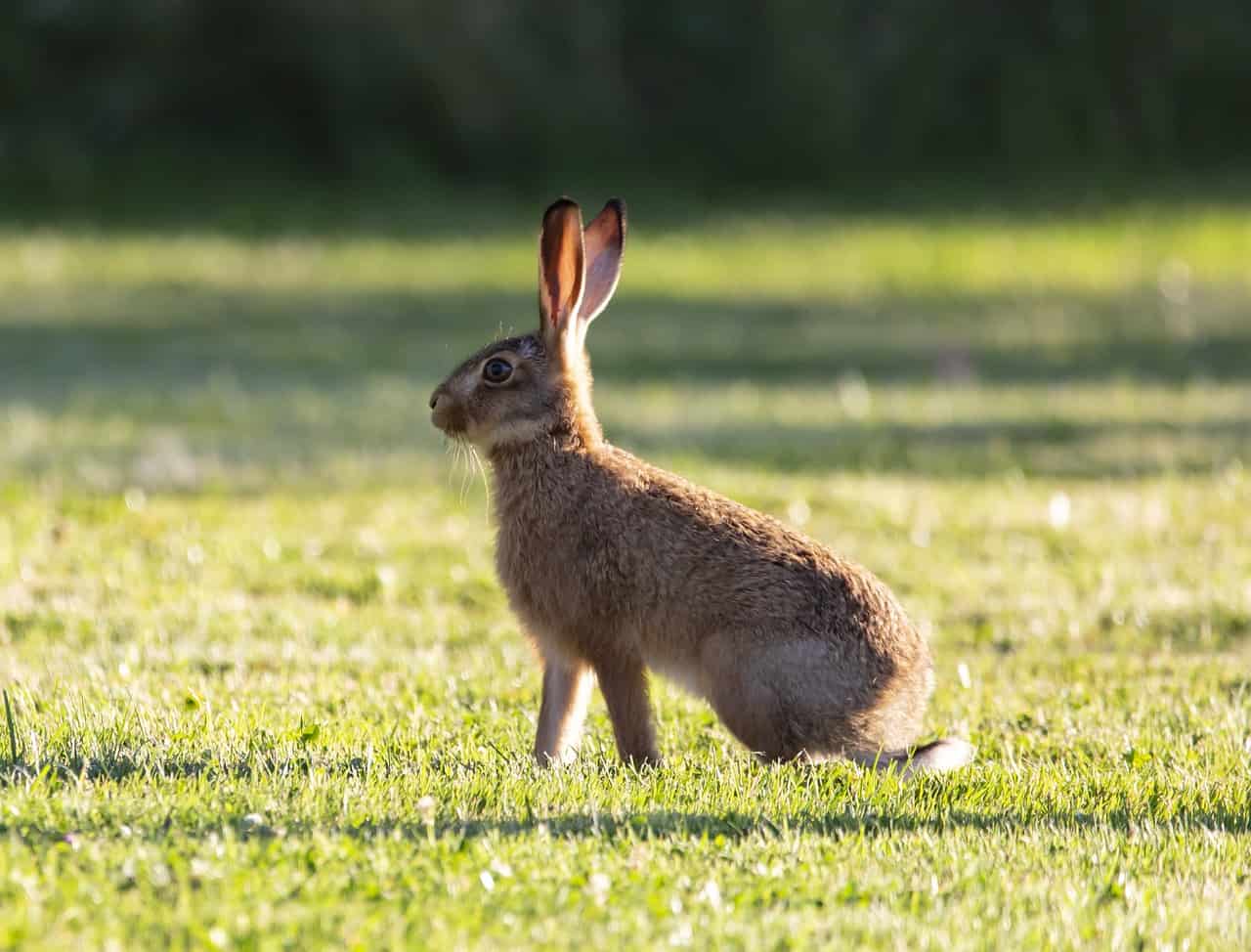
In Ireland, the Irish hare stands out as the unofficial national animal, a status it has earned through centuries of presence in Irish folklore, mythology, and the natural world. Unlike some countries that have an official national animal, Ireland’s choice is rooted in the collective consciousness of the Irish people, rather than formal legislation. The Irish hare’s long history intertwined with Ireland’s landscapes, its clever and elusive nature, and its frequent appearances in ancient tales have made it a beloved national symbol.
National animals are a global phenomenon, with each country selecting creatures that resonate with their identity. For example, the red dragon is a powerful symbol for Wales, while the bald eagle represents freedom and strength in the United States. These animals are often featured on flags, coins, and official emblems, serving as a source of pride and unity.
Ireland’s approach to national symbols is holistic, with the Irish hare closely associated with other emblems such as the national bird—the Northern Lapwing, the national tree—the sessile oak, and the national flower—the shamrock. The gold Celtic harp, another iconic national symbol, further enriches this tapestry of identity. Together, these symbols reflect Ireland’s deep connection to its natural world and its rich tradition of storytelling.
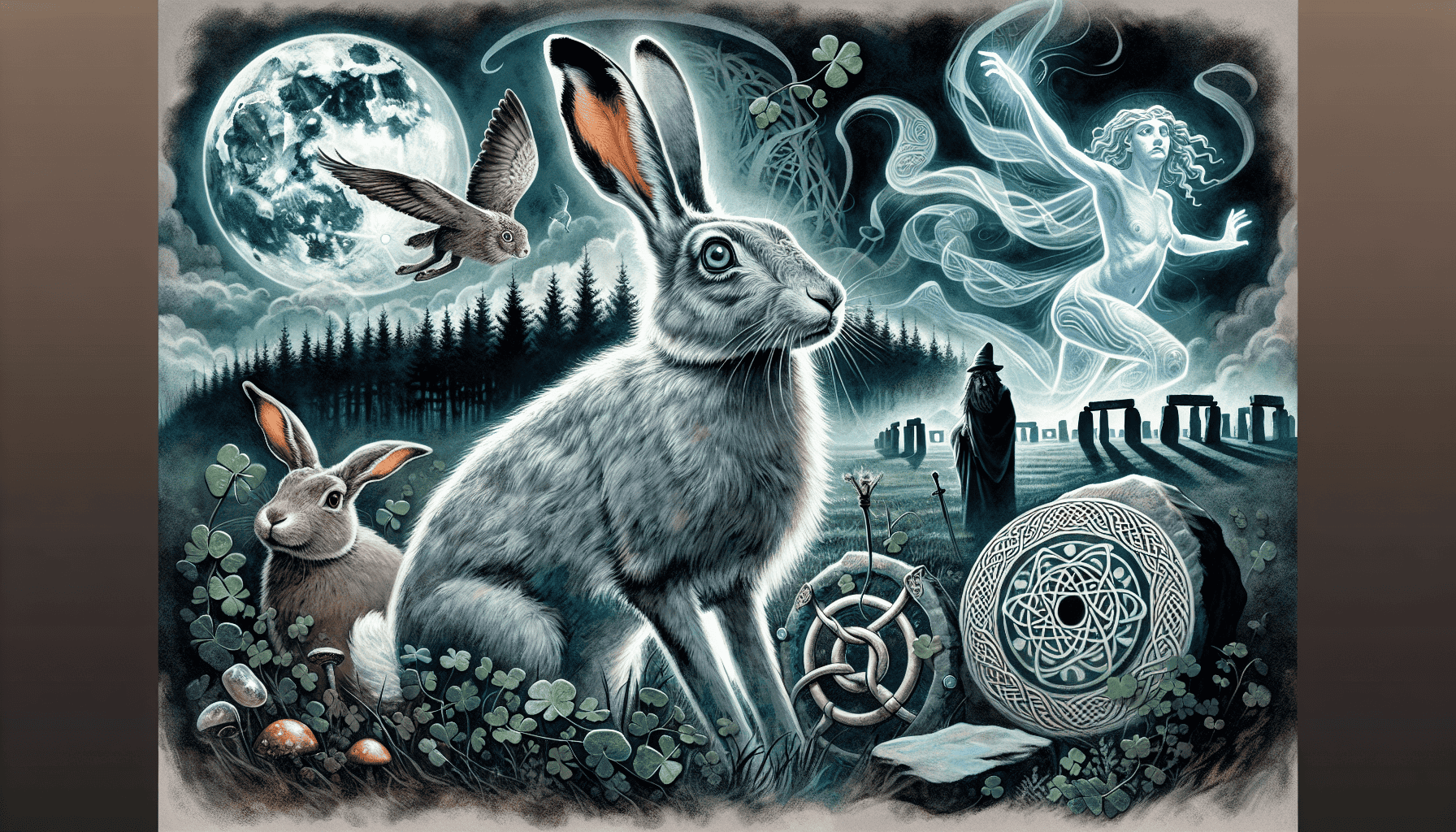
The Irish hare’s symbolic significance is also evident in its role in Irish folklore, where it is often depicted as a clever, mystical creature, sometimes linked to legendary figures like the poor old woman or woven into tales of transformation and magic. Alongside the majestic presence of the red deer and the echoes of extinct giants like the Irish elk, the hare helps to tell the story of Ireland’s wild beauty and enduring heritage.
Conservation efforts are vital to ensure that these native species, especially the Irish hare, continue to thrive in Ireland’s diverse habitats. Protecting the natural world is not just about preserving wildlife—it’s about safeguarding the living symbols that represent Ireland’s identity to the world.
Ultimately, the national animal is a powerful reflection of a country’s soul. In Ireland, the Irish hare holds a special place in the hearts of the Irish people, representing resilience, tradition, and the wild spirit of the Emerald Isle. Whether officially recognized or celebrated through common usage, the Irish hare and its fellow national symbols continue to inspire pride and unity across generations.
Exploring Ireland’s Unofficial National Animal
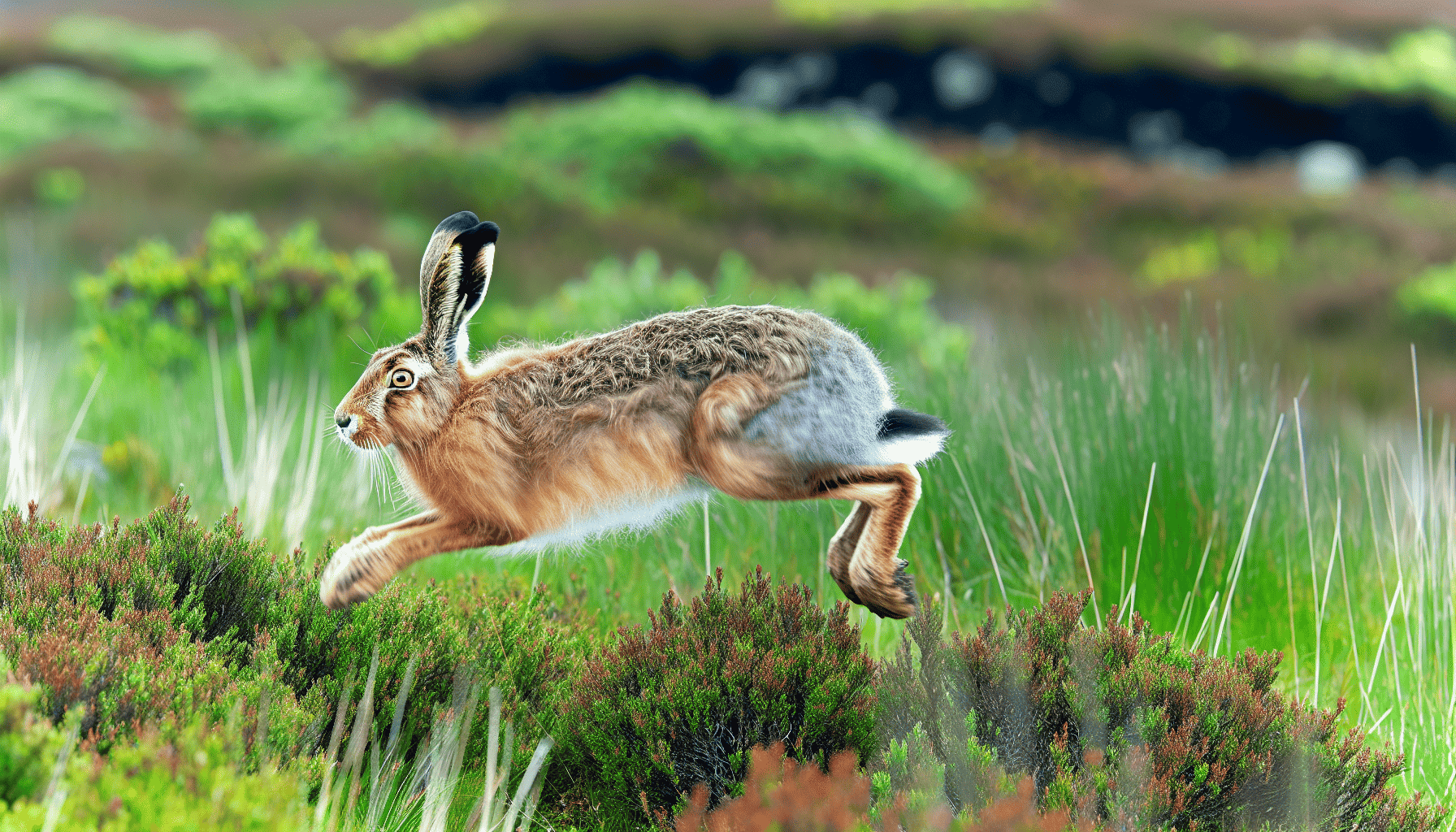
Ireland holds a distinctive position among nations with its unique national symbols. While the country does not officially have a designated national animal, the Irish Mountain Hare has leapt into this role, revered for its cultural importance and mystical presence in Irish mythology. Whether it’s bounding through the heathland or gracing the pages of ancient tales, the Irish Mountain Hare, often referred to as the Irish national animal, is a symbol that truly captures the spirit of Ireland. The Irish Mountain Hare holds a high status in Irish culture and mythology, representing power, prestige, and deep-rooted tradition. Closely tied to Ireland’s landscapes, this animal is an integral part of the country’s natural scenery, reflecting the beauty and diversity of Ireland’s wildlife.
The Irish Mountain Hare: A Symbolic Creature
The Irish Mountain Hare, a creature born from Ireland’s rugged landscapes, embodies more than just an animal; it’s a symbol. Indigenous to the Emerald Isle, this hare has been part of the country’s landscape for millions of years, leaving its footprints on the moorland, pastures, and coastal grasslands. Fossils of the Irish Mountain Hare date back to the late Pleistocene, highlighting its ancient origins in Ireland. Its significant role in Irish culture and folklore coupled with its widespread distribution across the nation has led to its recognition as a national symbol, a creature that truly represents the heart of Ireland.
Adapted to the Irish landscape, the hare undergoes a seasonal molt, developing a white tail during winter as an adaptation for camouflage against the snowy backdrop.
Wildlife Conservation Status: Protecting the Mountain Hare
The Irish Mountain Hare holds a significant place in the grand spectrum of Irish wildlife. Despite its unofficial status as a national animal, the conservation of this remarkable creature is taken very seriously. As per the ‘Least Concern’ conservation status, the Irish government has undertaken measures to monitor and improve the species’ conservation status in accordance with the EC Habitats Directive.
Supporting this commitment are the legal protections that the Irish Mountain Hare enjoys. Since 1930, the Game Preservation Act and the Wildlife Act have provided cover for this symbolic creature, extending to the preservation of its habitat.
The estimated population of the Irish Mountain Hare stands at approximately 7.66 hares per square kilometer in the Republic of Ireland, a testament to the success of these conservation efforts.
The Irish Hare: Mythology and Folklore
Transitioning from the tangible to the mythical, the Irish Hare takes on a legendary persona. This symbolic creature has left its indelible mark on Irish mythology and folklore, enhancing its reputation as a national symbol. The Irish hare is celebrated not only in stories but also in Irish folk songs, which help preserve its legendary status. From tales of extraordinary abilities to associations with the moon and the enigmatic Otherworld, the Irish Hare dances through the pages of history, leaving readers in awe of its cultural significance and the echoes of extinct giants like the Irish elk (also known as the giant deer).
Legends of the Hare: From Myth to National Pride
The Irish Hare is more than just an animal; it’s a narrative interwoven into the very fabric of Irish culture. The legends surrounding the hare have shaped the country’s national pride and identity. From tales of the hare as a mystical being capable of traversing different realms to stories of its association with the Celtic god Cernunnos, these legends have helped elevate the hare to a position of national reverence.
These stories have permeated the national consciousness, contributing to the sense of unity and identity among the Irish people.
The Hare in Modern Culture: Stamps, Coins, and More
The Irish Hare has made its mark on modern culture, featuring prominently on stamps and coins throughout the country. These cultural artifacts serve as a tangible reminder of its status as a national animal. From a series of stamps issued in 1980 to the inaugural Irish coins introduced in 1938, the Irish Hare has been commemorated time and again.
The Irish hare, along with sheep and wool products, frequently appears on souvenirs sold to tourists. This reflects the importance of sheep raising and traditional crafts in Irish culture, where such symbols are celebrated for their historical and economic significance.
This representation serves as a testament to the hare’s cultural significance, encompassing associations with:
- mystery
- positivity
- prosperity
- feminine power
This Irish national card game is a unique way to represent Ireland and reflect its identity.
Ireland’s National Bird and Fish: Feathered and Finned Companions
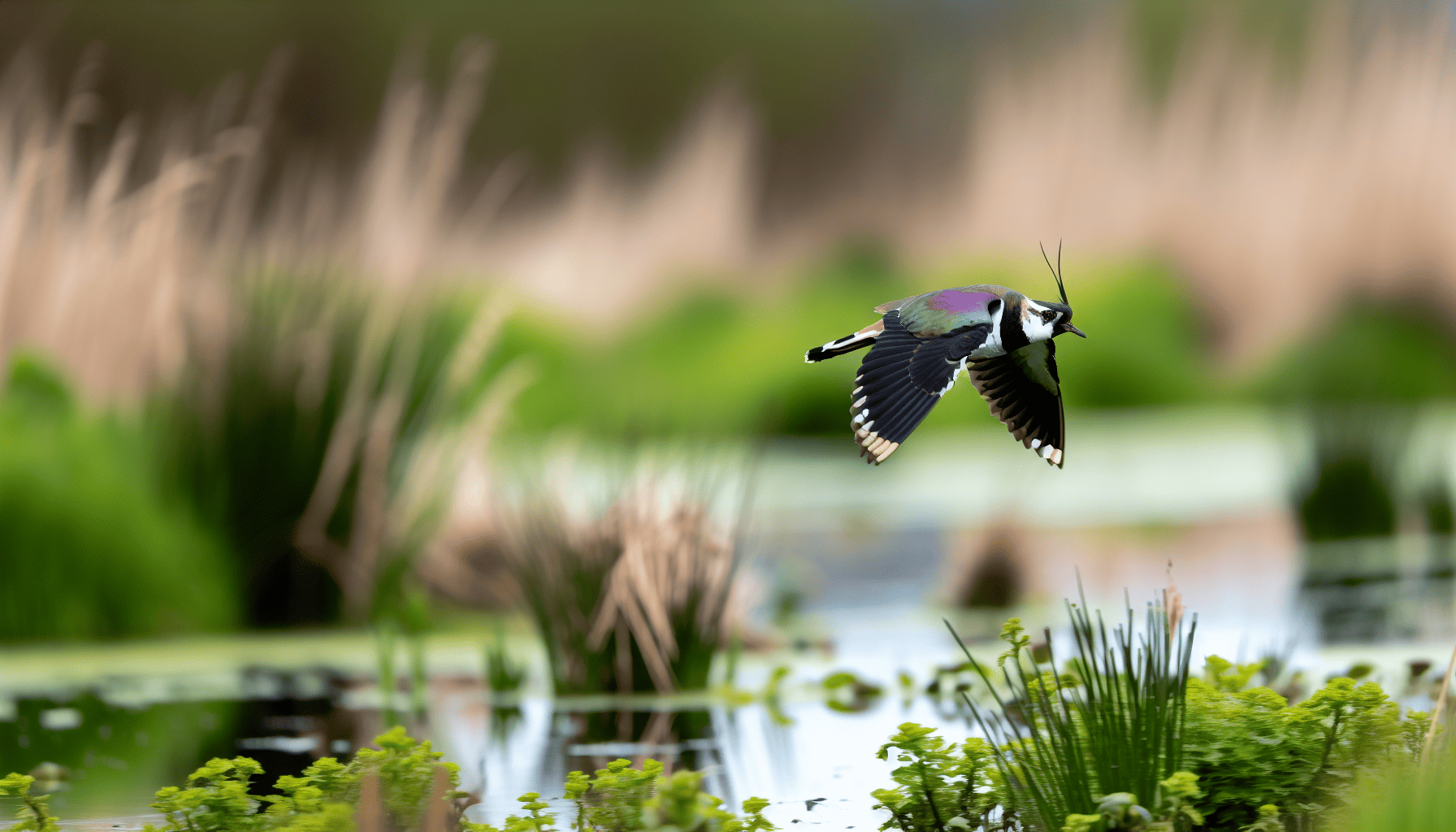
Ireland’s national symbols aren’t confined to land, they also inhabit the sky and plunge into the waters. The Northern Lapwing, with its distinctive crest and sweeping wings, holds the title of Ireland’s national bird. However, there has been debate about a possible national bird for Ireland, with other candidates such as the rook and Eurasian oystercatcher occasionally suggested.
Meanwhile, beneath the shimmering surface of Ireland’s lakes and rivers, the Course Fish, a group that includes species such as roach, bream, and perch, constitutes Northern Ireland’s national fish. The northern pike is also sometimes identified as northern ireland’s national fish. These feathered and finned companions further enrich the diverse tapestry of Irish national symbols.
The Northern Lapwing: Ireland’s Official National Bird
Ireland’s skies are graced by the Northern Lapwing, the country’s official national bird. Chosen in 1990 by a committee of the Irish Wildlife Conservancy, this bird, known scientifically as Vanellus vanellus, symbolizes Ireland’s respect for its diverse avian life.
The Northern Lapwing is indigenous to the country, favoring damp, well-grazed meadows and open farmlands, particularly in areas with open water nearby. Its unique presence and role in Irish culture make it an integral part of the country’s national symbols.
Freshwater Friends: Ireland’s National Fish
The waters of Ireland teem with a diverse range of aquatic life, among which the Course Fish holds a special place. Comprising species such as roach, bream, and perch, this group of fish represents the national fish of Ireland. Found in the country’s rivers, loughs, and canals, the Course Fish is a symbol of the rich aquatic biodiversity that Ireland is proud to protect and preserve.
The Forests and Fields of Ireland: National Tree and Land Mammals
Ireland’s verdant landscapes cradle an array of natural wonders, including the country’s national tree, the sessile oak. Alongside this majestic tree roam significant land mammals, the red deer and the extinct Irish Elk, both of which are deeply ingrained in Ireland’s heritage. These animals were historically important to Ireland’s culture and economy, serving as sources of food, materials, and inspiration in myths and legends. The populations of red deer and Irish Elk were notably affected by hunting and habitat changes during the Middle Ages, which contributed to their decline.
These symbols of the forest and fields, including the national flower, underscore Ireland’s commitment to biodiversity and its deep-rooted connection to its natural environment.
Sessile Oak: Rooted in Tradition
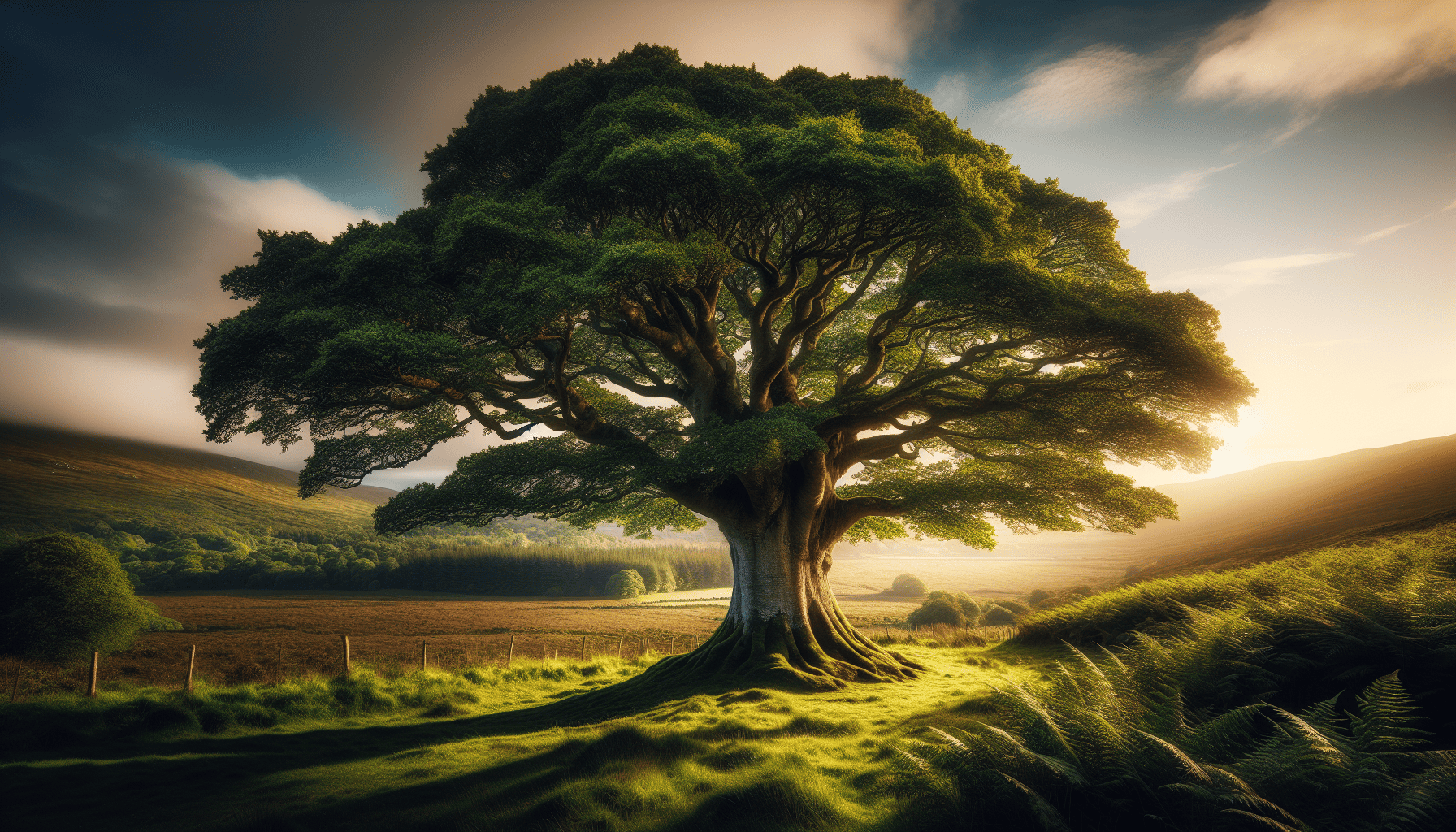
The sessile oak, Ireland’s national tree, stands as a symbol of tradition and strength. Its roots run deep into Irish culture, dating back thousands of years to ancient Celtic and Druid traditions. The Druids held the oak in high regard, associating it with wisdom and strength, and their reverence for this tree has been woven into the fabric of Irish society.
Today, the sessile oak continues to be celebrated for its robustness, longevity, and role in providing habitats for numerous species.
Majestic Mammals: Deer and Elk in Irish Heritage
Moving from the leafy canopies to the forest floor, we encounter the majestic mammals of Ireland. The red deer, with its imposing antlers and graceful stride, holds a significant place in Irish culture. The extinct Irish Elk, though no longer gracing the landscapes of Ireland, lives on in the country’s heritage and is often depicted in Celtic art.
Both these creatures, with their strength and grandeur, have played important roles in Irish heritage and are often associated with the country’s national identity.
Celebrating Ireland Through Music and Dance
Music and dance form the pulsating core of Irish culture, echoing the vibrant rhythms of the country’s rich heritage. The Celtic harp and Irish dance are deeply rooted in Irish tradition, serving as the country’s national instrument and dance. Ireland is known for its national musical instruments, including the Celtic harp and Irish pipes.
From the melodic notes of the harp to the lively steps of the dancers, these cultural expressions capture the spirit of Ireland and its people. In Northern Ireland, instruments such as the flute and Lambeg drum are considered associated national instruments, and are sometimes referred to as unofficial national instruments due to their cultural significance.
Rhythms of the Emerald Isle: National Instrument and Dance
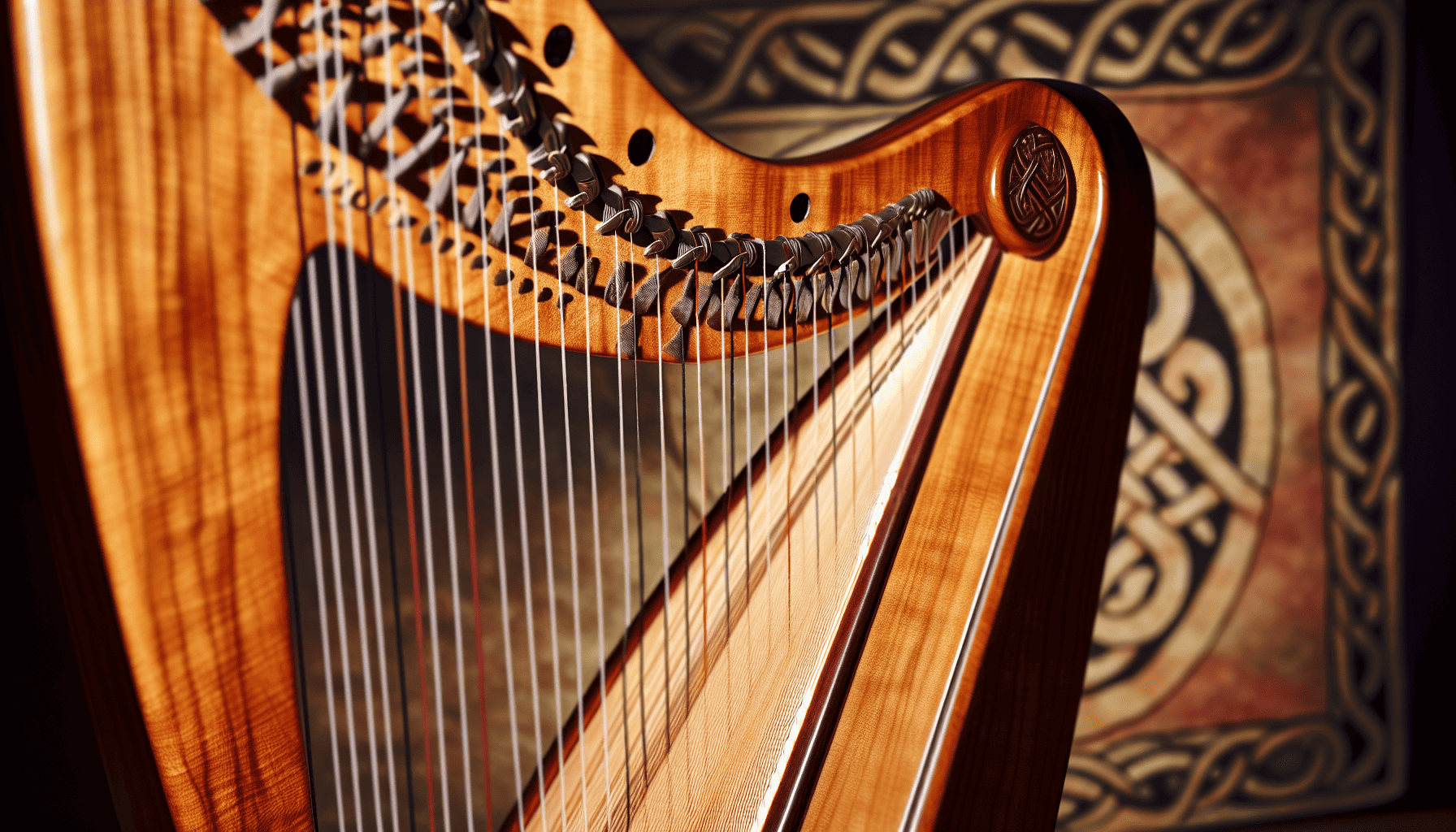
The Celtic harp, with its distinctive shape and enchanting sound, is Ireland’s national instrument. Its history stretches back over a thousand years, with its image gracing ancient manuscripts and stone crosses. The Celtic harp is more than just an instrument; it’s a symbol of the nation and its culture, representing Ireland’s rich musical heritage. Today, it continues to hold a significant place in traditional Irish music, underscoring the country’s love for music.
On the dance floor, the vivacious energy of Irish dance brings to life the spirit of Ireland. The origins of this dance form can be traced back to the dancing of travelling Irish dance masters in the 17th-18th century, rooted in ancient Celtic and Druid traditions. Today, Irish dance encompasses a diverse range of styles, including traditional sets, solo dances, and performance routines, all of which capture the dynamic spirit of the Emerald Isle.
The Spirit of Ireland: National Drinks and Dishes
Ireland’s essence is encapsulated in its national drinks and dishes, each narrating a chapter of the country’s abundant culinary heritage. From the warm comfort of traditional Irish stew to the hearty satisfaction of a full Irish breakfast, and the timeless pairing of bacon and cabbage, these dishes offer a taste of Ireland that is as diverse as it is delicious.
Complementing these savory delights are Ireland’s national drinks, Irish whiskey and stout, each with their own unique origins and traditions. Ireland is also known for its traditional alcoholic drinks, including Irish whiskey, poitín, and Irish coffee, which are celebrated as symbols of national pride and heritage. Irish coffee is often considered Ireland’s national cocktail, renowned for its unique blend of coffee, whiskey, and cream. Stout, a dark beer, holds an iconic status in Irish culture and is often regarded as Ireland’s national beer.
Toasting Traditions: National Spirit and Beer
Irish whiskey and stout are more than just beverages; they are iconic symbols of Ireland’s spirit and tradition. With origins dating back to the 12th century, Irish whiskey is widely recognized as the place where whiskey originated. This ‘water of life’ has evolved over the centuries, with its smooth and warm character capturing the essence of Ireland in every sip.
On the other hand, stout, with its characteristic black color and robust flavor, became a traditional Irish beer when the original Irish stouts, known as porter, were brought over from London approximately 300 years ago.
Savory Staples: A Taste of Ireland’s National Dishes
While Ireland’s beverages warm the spirit, its dishes satisfy the palate. Irish stew, full Irish breakfast, and bacon and cabbage are the nation’s staple dishes, each offering a unique taste of Ireland’s culinary heritage. Irish stew, acknowledged since around 1800, is a substantial dish symbolizing the country’s gastronomic legacy.
The full Irish breakfast, a hearty meal to start the day, and bacon and cabbage, a classic Irish dish, both represent the country’s love for simple, hearty, and flavorful meals.
Symbols of Sovereignty: Flags, Anthems, and Patron Saints
Ireland’s national symbols, including northern irish state symbols, extend beyond animals, birds, trees, and gastronomic delights. They also extend to tangible signs of sovereignty, including the tricolour flag, national anthems, and patron saints. Northern Ireland’s official flag and the historical use of St Patrick’s Saltire have also served as important symbols of regional identity. Popular unofficial mottos such as ‘Ireland Forever’ and ‘Irish United’ express national pride and unity, reflecting the collective ideals of the Irish people. Ireland’s national weapon, the battle axe, is another symbol of historical significance. These symbols represent the country’s unity, identity, and protection, serving as a constant reminder of Ireland’s rich history and the values it upholds.
The Tricolour: Unity and Identity
Ireland’s tricolour flag symbolizes the country’s unity and identity in a potent manner. With its green, white, and orange stripes, it represents the country’s Catholic and Protestant communities and the peace between them. The green stands for Irish Catholicism and the nationalist tradition, while the orange represents the Protestant community, and the white symbolizes peace and unity between the two. This flag, which first flew in the 19th century, serves as a testament to Ireland’s journey towards unity and independence, and stands as a symbol of the country’s commitment to peace and inclusivity.
Anthems and Allegiance: Music That Unites
Just like any other nation, music plays a pivotal role in uniting Ireland. The national anthems of the Republic of Ireland and Northern Ireland, “Amhrán na bhFiann” and “God Save the Queen” respectively, play a significant role in showcasing the country’s allegiance and unity. ‘Amhrán na bhFiann’ (The Soldiers’ Song) is the official anthem of the Republic of Ireland. The term ‘national anthem’ refers to the official anthem recognized by the state, while other songs may serve as unofficial or substitute anthems. In some sporting and cultural contexts, ‘Ireland’s Call’ and other songs are used as substitute national anthems, especially when the official anthem is not accepted by all groups.
These anthems, with their stirring melodies and poignant lyrics, evoke a sense of patriotic pride among the Irish people, serving as a musical expression of their national identity.
Saintly Symbols: Patronage and Protection
Patron saints like Saint Patrick, Saint Brigid, and Saint Columba offer spiritual guidance and protection in Ireland. These saintly symbols are revered figures in Irish culture, offering comfort and inspiration to the Irish people.
Their stories and teachings, deeply woven into the cultural fabric of Ireland, continue to resonate with the values of faith, perseverance, and service that are central to the Irish ethos.
Summary
From the swift Irish Mountain Hare to the melodies of the Celtic harp, from the hearty Irish stew to the tricolour flag, and the distinctive Connemara marble as Ireland’s national gemstone, Ireland’s national symbols weave a vibrant tapestry that tells the story of this enchanting nation. They encapsulate the country’s rich heritage, diverse culture, and the spirit of unity that defines the Irish identity. Each symbol, whether it’s an animal, bird, tree, instrument, dish, flag, or national gemstone, is a unique piece of Ireland’s story, contributing to the country’s character and charm.
Frequently Asked Questions
What is the official national animal of Ireland?
The official national animal of Ireland is the Irish hare, also known as the mountain hare. This unique animal is exclusive to Ireland and has been present in the country for millions of years.
What animal is known in Ireland?
The Irish hare is known as Ireland’s national animal and is the only native lagomorph on the island. It has been present in Ireland for millions of years.
What is the national animal of Ireland stag?
The Red Deer is the national animal of Ireland, being the only deer indigenous to the island.
What is the national bird of Ireland?
The national bird of Ireland is the Lapwing, also known as the Northern Lapwing, a shorebird with a distinctive crest of feathers. It was declared the national bird in 1990.
What is the national bird and fish of Ireland?
The national bird of Ireland is the Northern Lapwing, and the national fish is the Course Fish. Both hold symbolic significance for the country.