
Carved into the dramatic basalt cliffs of County Antrim, The Gobbins represents one of Northern Ireland’s most spectacular and challenging tourist attractions. This unique marine cliff walk features an extraordinary combination of bridges, tunnels, and walkways that seem to defy gravity as they cling to the cliff face above the crashing waves of the Irish Sea.
Located along the famous Causeway Coastal Route, The Gobbins offers visitors an unparalleled journey through both natural beauty and Victorian engineering brilliance. However, before you lace up your walking boots, it’s crucial to understand the current status of this remarkable attraction and what makes it such a sought-after destination for adventure seekers.
What is The Gobbins
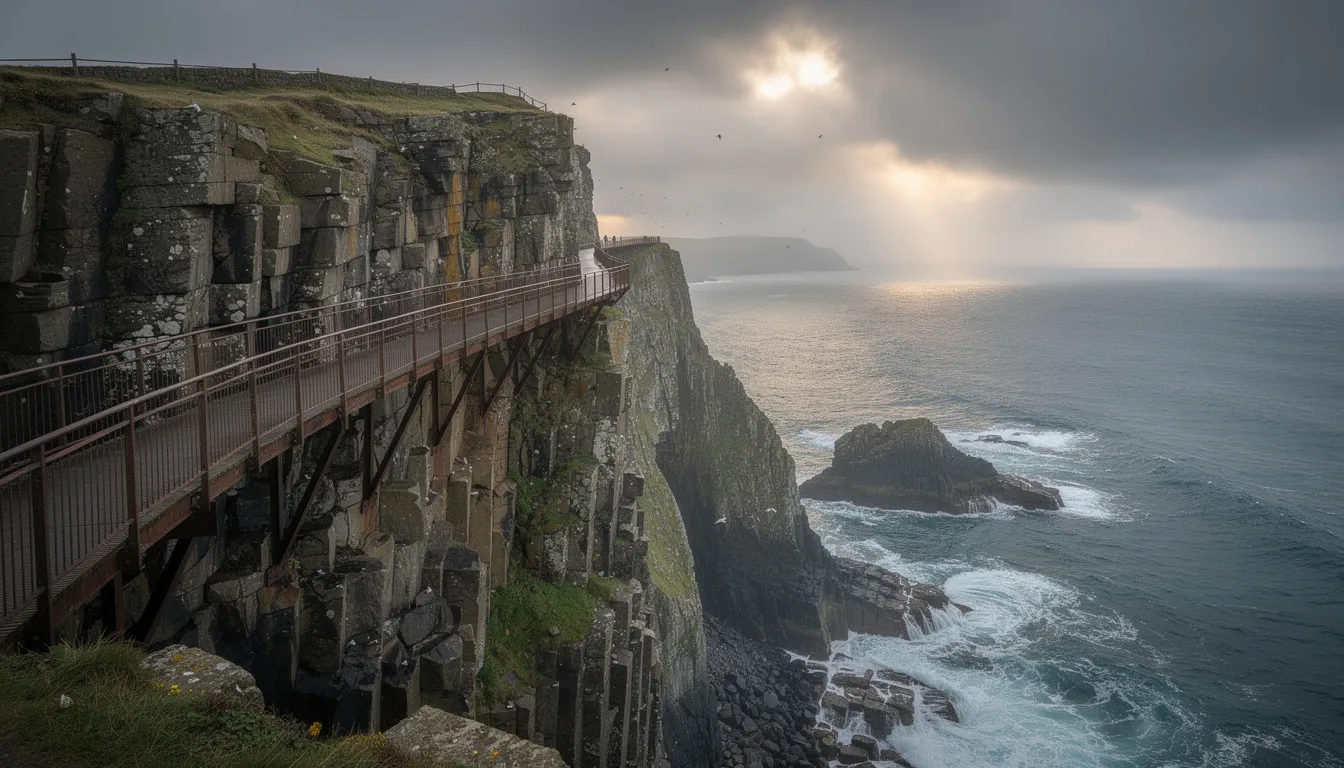
The Gobbins is a spectacular 2-mile cliff path walk that winds along the basalt cliffs of County Antrim, Northern Ireland. This unique attraction combines dramatic coastal scenery with remarkable engineering, featuring bridges, tunnels, and walkways literally carved into the cliff face. The path offers visitors an unprecedented opportunity to experience the raw power of nature while walking through one of Europe’s most ambitious coastal engineering projects.
The gobbins cliff path is located on the Islandmagee peninsula, forming part of the renowned Causeway Coastal Route that attracts thousands of visitors to Northern Ireland annually. Unlike other tourist attractions in the region, The Gobbins can only be accessed through pre-booked guided tours, making it an exclusive and carefully managed experience.
The attraction was originally designed by railway engineer Berkeley Deane Wise, a visionary who sought to create something that would rival the natural wonder of the Giant’s Causeway. When it first opened in 1902, this marine cliff walk was hailed as having “no parallel in Europe,” a distinction that remains largely true today.
What sets The Gobbins apart from other cliff walks is its integration of man-made structures with natural geological formations. Visitors traverse steel bridges suspended over churning waters, walk through tunnels blasted through solid rock, and navigate pathways that seem to emerge from the cliff face itself. The journey requires both physical fitness and a head for heights, as participants walk single-file along narrow paths with dramatic drops to the sea level below.
The path’s creator, Berkeley Deane Wise, designed the original route to be 3¼ miles long, though the current experience covers approximately 2-3 miles due to various modifications over the decades. The engineer’s ambitious vision included features like the famous Tubular Bridge, which spans a 65-foot chasm and provides visitors with an exhilarating crossing high above the waves.
Current Status and Closure Information
Unfortunately, The Gobbins cliff path currently remains closed to visitors due to recent rockfall incidents that have raised safety concerns. The closure, which has been in effect since the most recent incident, demonstrates the ongoing challenges of maintaining a cliff walk in such a dynamic and potentially dangerous environment.
The gobbins will remain closed to visitors until safety teams can complete comprehensive assessments and any necessary repairs. Recent rockfall events have highlighted the inherent risks of operating a tourist attraction on an active cliff face where geological conditions can change rapidly due to weather conditions and natural erosion.
Despite the path closure, The Gobbins Visitor Centre continues to operate normally, providing visitors with access to facilities, exhibitions, and the café. The visitor centre offers an excellent opportunity to learn about the attraction’s history and geology while waiting for the path to reopen. Teams are working diligently to address safety concerns and reopen the attraction as soon as conditions permit.
Visitors planning trips to Northern Ireland should check the official website before making travel arrangements, as reopening dates remain subject to safety assessments and weather conditions. The attraction has experienced various closures throughout its operational history, with statistics showing it has been closed approximately 46% of the time since its modern reopening in 2015 due to storm damage, safety inspections, and maintenance requirements.
For those who have already booked tours, the visitor centre staff typically provides updates and rebooking options. The unpredictable nature of cliff path operations means flexibility in travel planning is essential when hoping to experience this unique attraction.
The current closure serves as a reminder of the raw power of nature that makes The Gobbins so spectacular. When conditions do allow for safe operation, the experience of walking these paths becomes even more meaningful, knowing the respect that must be paid to the natural forces that continue to shape this remarkable coastline.
History and Original Construction
The story of The Gobbins begins with Berkeley Deane Wise, an Irish railway engineer whose vision transformed a rugged stretch of County Antrim coastline into one of the world’s most remarkable tourist attractions. Born in New Ross, Wise gained his engineering expertise working on challenging projects including the Dublin-Wexford railway line and the tunnel construction at Bray Head, experiences that prepared him for the ambitious undertaking at The Gobbins.
As Chief Engineer of the Belfast and Northern Counties Railway Company, Wise recognized an opportunity to create a tourist destination that would compete with other natural wonders while showcasing Victorian engineering capabilities. His plan involved constructing a cliff path that would allow ordinary people to experience extraordinary coastal scenery safely.
Construction of The Gobbins began in 1901, with the first section opening to the public in August 1902. Wise’s original design called for a 3¼-mile route starting near Ballystrudder and winding along the cliff face through a series of tunnels, bridges, and walkways. The engineering challenges were immense, requiring workers to blast tunnels through solid basalt and install steel bridges in locations where few had dared to venture.
The construction process involved transporting materials by barge from Belfast to Whitehead, then using rafts to move steel girders along the coast before winching them into position using lines dropped from the clifftop. This logistical feat required remarkable coordination and demonstrated the ingenuity of Victorian-era engineers working without modern construction equipment.
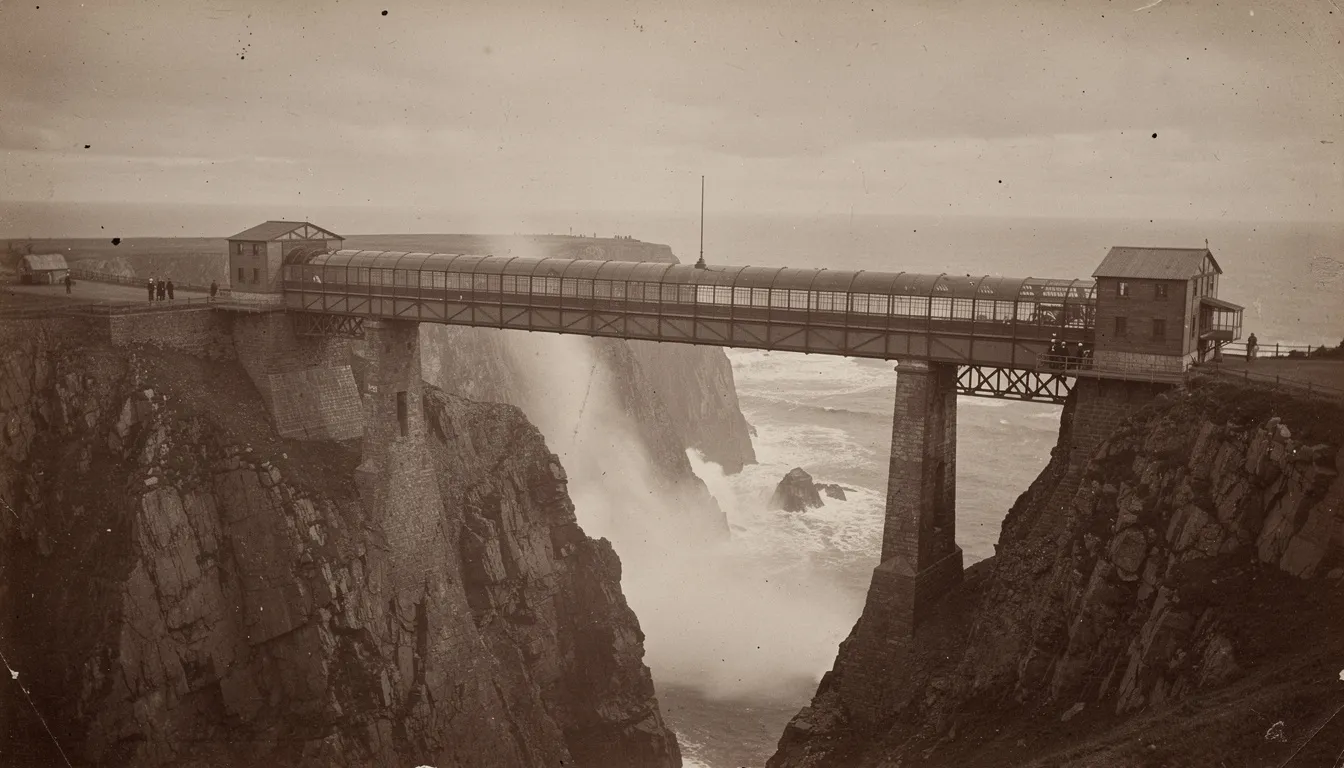
The centerpiece of Wise’s design was the famous tubular bridge, an iron structure that spanned a 65-foot chasm and allowed visitors to cross high above the Irish Sea. This bridge became an iconic feature, offering visitors an adrenaline-pumping experience as they crossed above the crashing waves below.
The Golden Era (1902-1936)
Following its opening in 1902, The Gobbins quickly gained international recognition as a unique tourist attraction. The first visitors were members of the British Association for the Advancement of Science, who explored the path in August 1902 and provided glowing reviews that helped establish its reputation.
The attraction became extremely popular with tourists who accessed the site via steamship services to Larne and railway connections to Whitehead. Visitors would stay in local accommodations and book guided tours through their hotels, with each establishment arranging specific days for group visits under dedicated guides.
The entrance to the path, known as “Wise’s Eye,” was staffed by toll collectors who charged sixpence per visitor. This natural rock gap became a symbolic gateway to the adventure that lay ahead. During the busy summer months, tearooms operated along the route, providing refreshments for visitors who needed rest during their cliff walk journey.
Contemporary newspapers praised The Gobbins as a “perfect marvel of engineering,” with reviews describing “the varied beauty of this cliff path” as something that “baffles all description.” The attraction drew visitors from across Britain and Europe, establishing Northern Ireland as a destination for adventure tourism decades before such concepts became mainstream.
Marketing efforts were sophisticated for the era, with promotional posters placed in Belfast tram carriages and railway stations. Day-trippers were encouraged to travel to Ballycarry railway station, from which they could walk or hire traditional Irish jaunting cars to reach the path entrance.
The path’s popularity during this golden era demonstrated Wise’s vision of making dramatic coastal experiences accessible to ordinary people. Unlike other cliff areas that required mountaineering skills, The Gobbins allowed families and individuals of moderate fitness to experience the thrill of coastal adventure safely.
Decline and Modern Restoration
The Gobbins’ decline began in the 1930s when changing tourism patterns and financial pressures led to its closure in 1936. A brief reopening occurred after World War II, but the Ulster Transport Authority closed the path again in 1954 due to mounting maintenance costs and safety concerns.
During the decades of closure, the attraction’s infrastructure deteriorated significantly. The original tubular bridge, which had become an iconic symbol of the path, finally collapsed into the sea in May 1981. This dramatic event symbolized the neglect that had befallen Wise’s engineering masterpiece.
Various restoration attempts were made throughout the latter half of the 20th century, championed by local advocates and government entities. However, these efforts faced substantial challenges due to the ongoing civil conflict in Northern Ireland, which deterred tourism investment and complicated development projects.
The modern restoration of The Gobbins began in earnest when Larne Borough Council committed £7.5 million to a comprehensive restoration project spanning from 2011 to 2015. This ambitious undertaking involved reconstructing the path with modern safety standards while preserving the Victorian spirit of the original design.
The restoration team faced the challenge of recreating Wise’s vision using contemporary materials and safety protocols. Engineers had to design new bridges and walkways that could withstand the harsh marine environment while providing visitors with experiences similar to those enjoyed by Victorian-era tourists.
The path officially reopened in 2015, featuring a recreated tubular bridge, new galleries carved into the cliff face, and modern safety equipment including mandatory hard hats for all visitors. However, the challenging environment has meant that planned works and weather-related closures have remained constant factors, with the attraction being closed for maintenance and safety reasons nearly half the time since its modern reopening.
Despite these operational challenges, the successful restoration of The Gobbins represents a triumph of heritage preservation and engineering innovation, bringing Berkeley Deane Wise’s vision into the 21st century for new generations of adventure seekers to explore.
The Walking Experience
The Gobbins cliff walk offers a 2.5-hour guided tour that covers approximately 3km (2 miles) along some of the most dramatic coastal scenery in Europe. This carefully orchestrated journey takes participants through a remarkable combination of natural geological features and Victorian-era engineering that creates an unforgettable adventure experience.
Tours are strictly limited to a maximum of 15 participants for both safety and environmental protection reasons. This small group size ensures that each visitor receives personal attention from experienced guides while minimizing the impact on this delicate coastal ecosystem. The guided tour format is mandatory – no independent exploration is permitted due to the inherent dangers of the cliff environment.
The gobbins experience begins with a comprehensive safety briefing at the visitor centre, where participants receive hard hats and essential safety information. Guides emphasize the importance of following instructions precisely, as the path involves numerous potential hazards including uneven surfaces, steep drops, and the possibility of falling rock from the cliff face above.
Following the briefing, visitors board a minibus for transport to the cliff top, where the adventure truly begins. The descent to the path entrance involves navigating more than 100 steps down a steep, rocky trail that provides the first taste of the physical challenge ahead. This initial descent also offers spectacular views of the coastline and helps visitors appreciate the scale of the engineering achievement they’re about to experience.
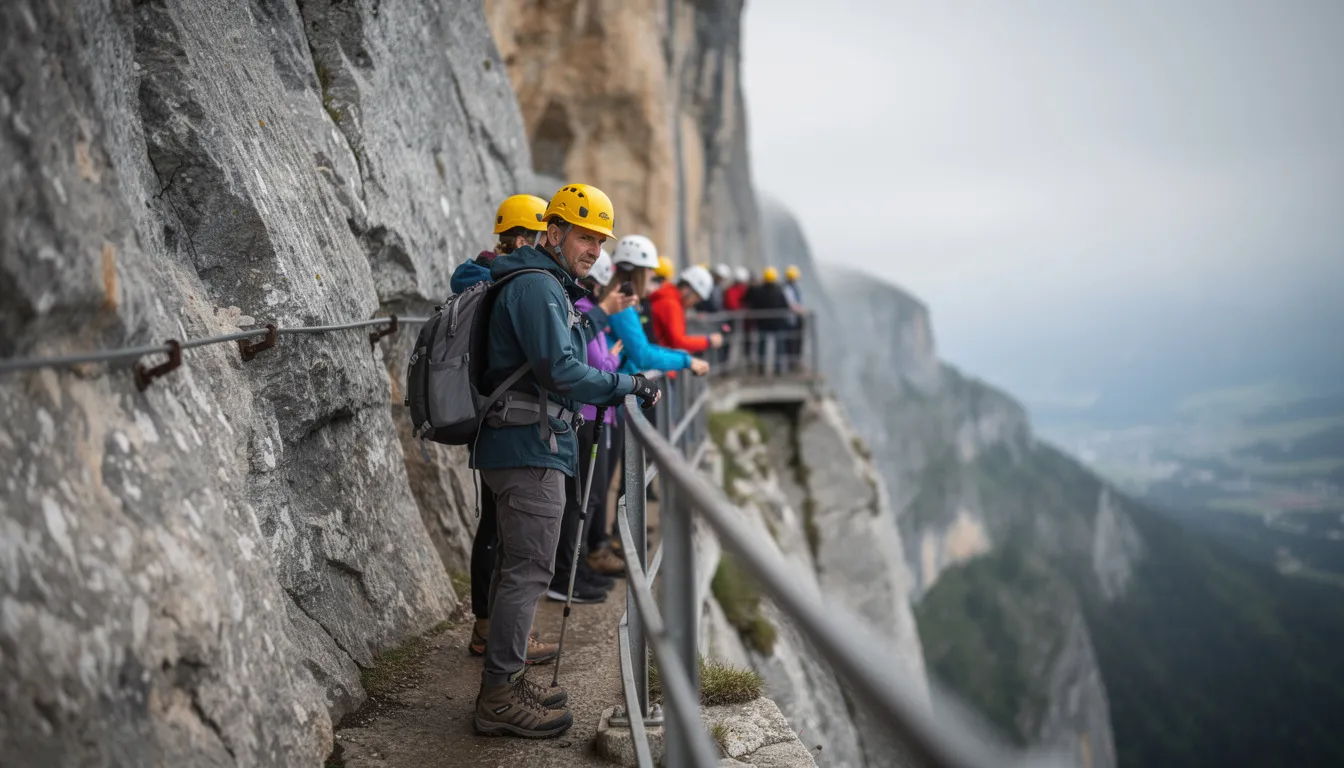
The walking experience requires single-file navigation along narrow, uneven paths where concentration and sure footing are essential. Unlike typical hiking trails, much of the gobbins path involves walking on steel structures, through tunnels carved into solid rock, and across bridges suspended above the churning waters of the Irish Sea.
The physical demands of the tour are significant, with guides describing it as equivalent to climbing 50 flights of stairs due to the constant elevation changes and challenging terrain. Participants must be prepared for sustained physical exertion while maintaining focus on safety throughout the journey.
Key Features and Highlights
The tour starts at Wise’s Eye, a narrow gap in the rock formation that serves as the dramatic entrance to the path. Named after the original engineer Berkeley Deane Wise, this natural gateway provides visitors with their first glimpse of the engineering challenges that lay ahead. The symbolism of passing through “Wise’s Eye” connects modern visitors to the Victorian-era tourists who first explored these paths over a century ago.
The recreated tubular bridge represents the tour’s most exhilarating highlight, standing 10 metres high and weighing 5.4 tonnes. This modern interpretation of Wise’s original design provides visitors with a heart-stopping crossing as waves crash below and sea birds wheel overhead. The bridge offers unobstructed views down the coast while providing an adrenaline rush that few tourist attractions can match.
The Aquarium, a natural seawater pool formed by the geological structure of the cliffs, allows visitors to observe marine life in its natural habitat. During the tour, guides point out various fish species that can be spotted in these crystal-clear tidal pools, creating an unexpected wildlife viewing opportunity in the middle of the dramatic cliff walk.
Throughout the route, visitors encounter remnants of the original 100-year-old infrastructure, including handrail posts and pathway foundations that have withstood decades of exposure to harsh marine conditions. These historical elements provide tangible connections to the Victorian tourists who first experienced these paths and demonstrate the quality of the original engineering work.
The path includes several caves and tunnels that require hard hats for protection against falling rock. These enclosed sections provide relief from weather conditions while offering unique acoustical experiences as the sound of crashing waves echoes through the rock chambers. The contrast between these intimate spaces and the exposed walkways creates a varied and engaging journey.
Guides share stories and information throughout the tour, explaining the geological formation of the coastline, the history of the path’s construction, and the ongoing challenges of maintaining a tourist attraction in such a dynamic environment. This narrative element transforms the physical challenge into an educational experience that enriches visitors’ understanding of both natural and human history.
Wildlife and Geology
The Gobbins cliff path traverses one of Northern Ireland’s most geologically significant and ecologically diverse coastal environments. The basalt cliffs represent part of a geological formation that extends from Cave Hill near Belfast to Binevenagh Mountain in County Londonderry, showcasing rock formations that tell the story of Ireland’s ancient past.
The underlying geology consists of sedimentary rocks from the Triassic and Jurassic periods, formed when Ireland lay under warm tropical seas approximately 200 million years ago. These limestone layers, created from accumulated calcium carbonate deposits of ancient shelled organisms, provide the foundation for the dramatic basalt cliff faces visible today. The area has yielded remarkable ichthyosaur fossils, offering glimpses into the marine life that inhabited these ancient waters.
The basalt formations themselves date to approximately 60 million years ago, when intense volcanic activity created the dramatic cliff faces that make The Gobbins possible. This geological history explains the unique characteristics of the coastline, including the natural caves and the stable rock formations that allowed Victorian engineers to anchor their ambitious bridge and tunnel constructions.
The natural habitat surrounding the path supports a remarkable diversity of cliff-dwelling plant species, including specialized varieties of spleenwort and other plants adapted to the harsh marine environment. These hardy species have evolved to withstand salt spray, strong winds, and limited soil conditions, creating unique botanical communities rarely found elsewhere.
The marine environment below the cliffs supports diverse fish populations that can be observed in the natural rock pools and clear waters around the path. These underwater communities form part of the broader Irish Sea ecosystem and provide feeding opportunities for the abundant seabird populations that nest along the cliffs.
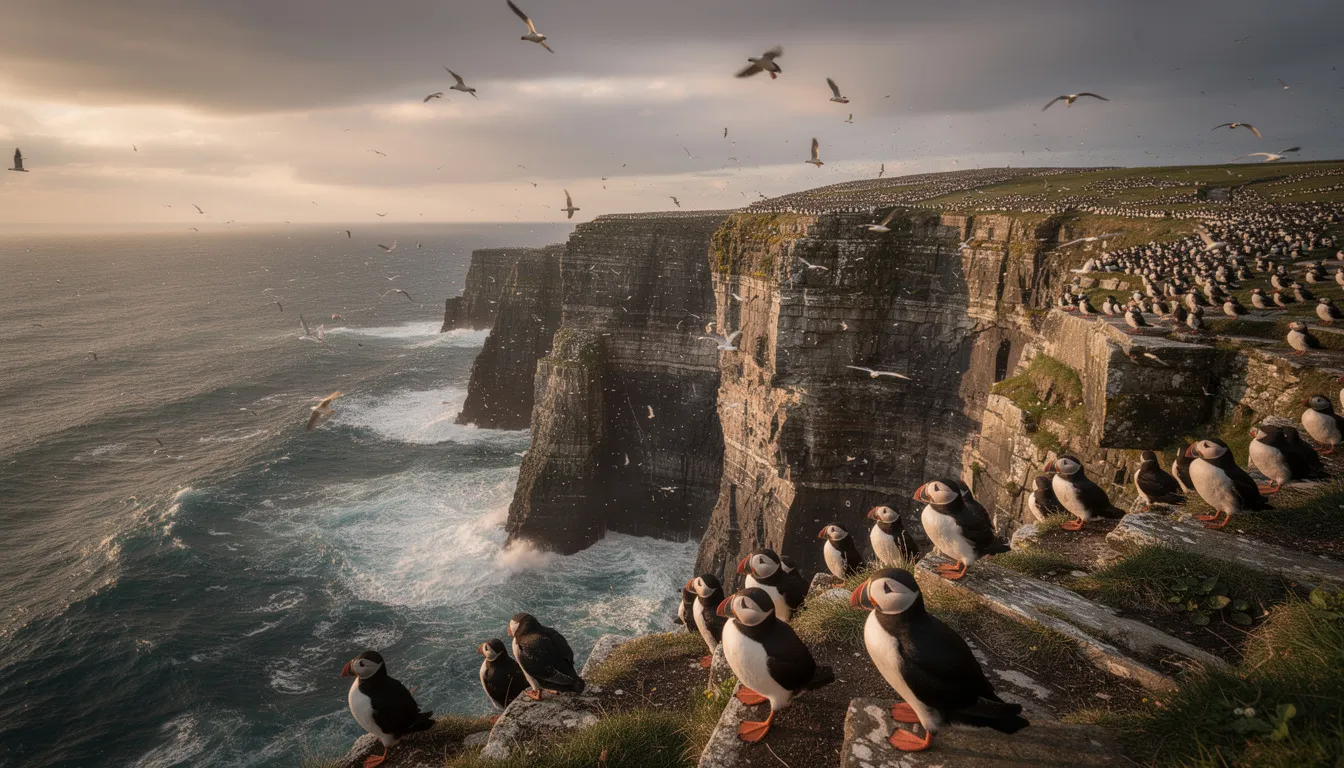
The Gobbins coastline hosts Northern Ireland’s only mainland puffin colony, making it a site of particular ornithological significance. These colorful sea birds nest in the cliff crevices and can be observed during the breeding season, providing visitors with rare opportunities to see puffins without traveling to offshore islands.
The diverse bird life extends far beyond puffins, with the cliffs supporting populations of kittiwakes, shags, guillemots, razorbills, and peregrine falcons. Each species has adapted to different cliff environments, creating a vertical ecosystem where different birds occupy specific niches from sea level to cliff top.
Kittiwakes nest on narrow cliff ledges, their distinctive calls echoing across the water as they tend to their young. Shags and guillemots prefer lower cliff positions where they can easily access fishing waters, while razorbills seek out protected crevices for nesting. The presence of peregrine falcons adds an apex predator to this coastal ecosystem, with these magnificent raptors hunting other birds along the cliff faces.
During tours, guides help visitors identify different species and explain the ecological relationships that sustain this cliff-top community. The timing of visits can significantly impact wildlife viewing opportunities, with breeding seasons offering the most spectacular bird watching experiences as thousands of sea birds crowd the cliff faces.
The marine mammals that frequent these waters add another dimension to the wildlife experience. Seals are commonly observed hauled out on rocky platforms below the cliffs, while porpoises and occasionally dolphins can be spotted in the deeper waters offshore. These sightings remind visitors that The Gobbins experience extends beyond the path itself to encompass the broader marine ecosystem.
The combination of geological significance and ecological diversity makes The Gobbins more than just an engineering attraction – it serves as a window into both ancient and contemporary natural history. The careful balance between providing public access and protecting these sensitive environments demonstrates the ongoing challenge of sustainable tourism in ecologically important areas.
Booking and Requirements
Planning a visit to The Gobbins requires advance preparation due to the specialized nature of this attraction. All tours must be booked in advance either online through the official website or by phone – no walk-up availability exists. This booking system allows operators to manage group sizes carefully and ensures that all participants receive proper safety briefings before beginning their cliff walk adventure.
Adult tickets are priced at £21.50, with children’s tickets available for £15.50. However, the attraction maintains strict age and height restrictions, with a minimum height requirement of 1.2 metres (4 feet) and a recommended minimum age of approximately 7 years old. These restrictions reflect the genuine physical challenges and safety considerations involved in the cliff path experience.
Group bookings for parties over 10 people require direct contact with the visitor centre via email or phone rather than online booking. This allows staff to coordinate larger groups effectively and ensure that safety protocols can be maintained with multiple participants. The attraction has earned strong visitor satisfaction ratings, with an average of 4.5 out of 5 stars on TripAdvisor reflecting the quality of the guided experience.
Tour scheduling takes advantage of tidal conditions, with high tide tours often offering more spectacular wave action and dramatic spray effects. Visitors can request specific timing preferences when booking, though safety conditions ultimately determine whether tours can operate on any given day.
The booking system includes detailed information about what to expect during the tour, helping visitors prepare mentally and physically for the challenges ahead. Confirmation emails typically include weather-dependent cancellation policies and practical advice about clothing and preparation.
Advanced booking also allows the visitor centre to provide updated information about path conditions, weather forecasts, and any safety considerations that might affect the tour experience. This communication helps ensure that visitors arrive properly prepared and with realistic expectations about their cliff walk adventure.
Safety Requirements and Restrictions
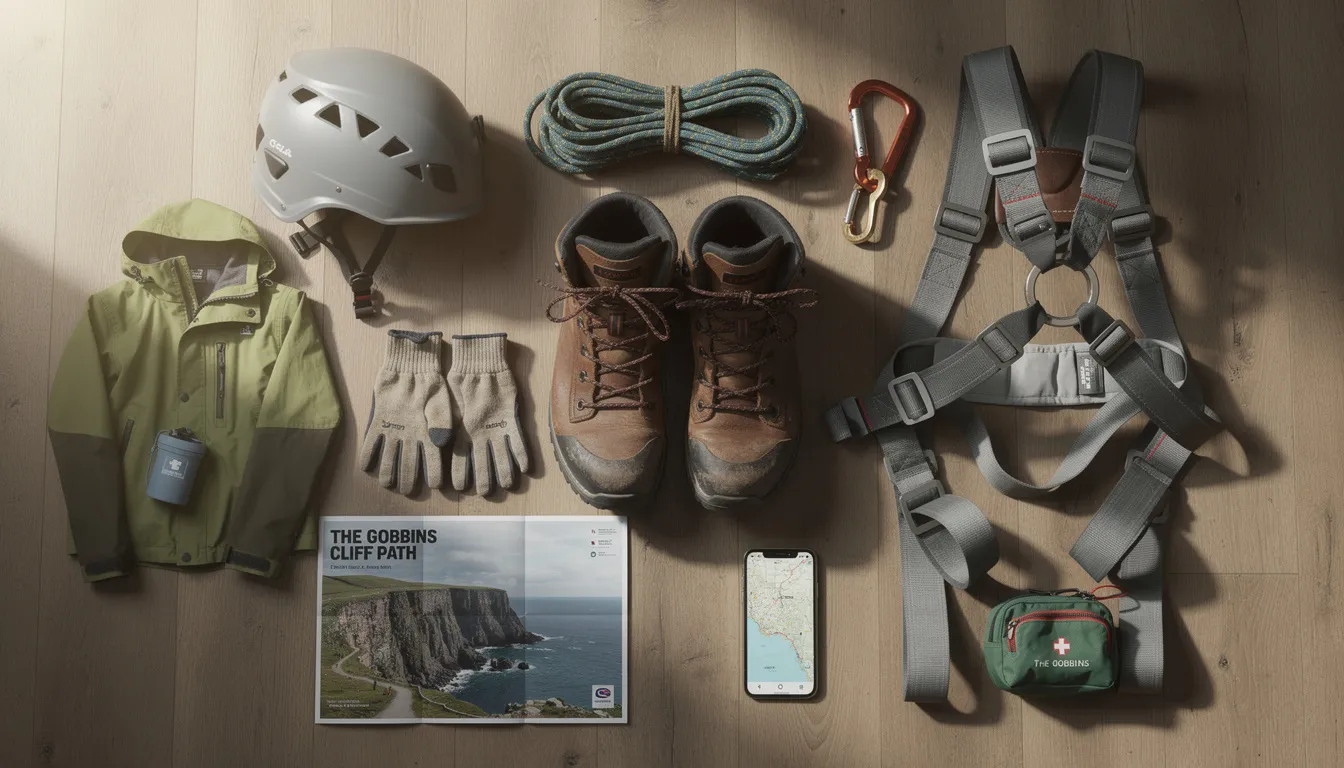
The most critical requirement for The Gobbins experience is appropriate footwear. Hiking boots with thick tread and ankle support are mandatory – trainers, casual shoes, or any footwear without proper grip are strictly prohibited. This requirement reflects the serious nature of the terrain and the potential consequences of losing footing on the cliff path.
For visitors who arrive without proper walking boots, the visitor centre offers boot hire services for £5, though availability is limited and sizes may not always be available. This service provides a backup option, but visitors are strongly encouraged to bring their own properly fitted hiking footwear to ensure comfort during the 2.5-hour tour.
The attraction’s safety protocols exclude individuals with cardiac, respiratory, or joint conditions that might be exacerbated by the moderate to high fitness requirements of the cliff walk. Participants must be able to navigate steep, uneven terrain for extended periods while maintaining concentration on safety protocols.
The path environment prohibits walking aids of any kind, making the attraction unsuitable for individuals with mobility limitations. The narrow passages, steep steps, and uneven surfaces require full mobility and balance, while the single-file walking format means that assistance from other participants is not practical.
Additional restrictions include prohibitions on smoking, eating, and bringing dogs onto the path. These rules protect both participant safety and the sensitive cliff environment. The no-eating policy reflects the need for hands-free navigation and concentration throughout the tour.
Participants are advised to bring water bottles to maintain hydration during the physically demanding experience. Warm, weather-appropriate outdoor clothing is essential, as the cliff environment can be significantly colder and windier than inland conditions. Layered clothing systems work best, allowing participants to adjust to changing conditions throughout the tour.
The mandatory hard hat requirement demonstrates the ongoing geological hazards present on the cliff face. Falling rock, weather-related debris, and other overhead hazards make head protection essential throughout the tour. The visitor centre provides all necessary safety equipment as part of the tour package.
All participants must demonstrate their understanding of safety protocols during the pre-tour briefing. Guides reserve the right to exclude individuals who appear unable to follow safety instructions or who seem unprepared for the physical challenges of the cliff walk. This careful screening helps maintain safety standards while protecting both participants and the natural environment.
Visitor Centre and Facilities
The Gobbins Visitor Centre, located at Middle Road, BT40 3SX, near Ballystrudder village, serves as the essential gateway to the cliff path experience. This modern facility provides all the infrastructure necessary for safely managing one of Europe’s most challenging tourist attractions while offering visitors comprehensive information about the area’s history and significance.
The visitor centre features free car parking, though spaces are limited and visitors are advised to arrive early, especially during peak season. The parking area’s capacity reflects the carefully managed visitor numbers that help preserve the delicate cliff environment while ensuring that all participants receive adequate attention during their tours.
Inside the facility, visitors find a comprehensive exhibition showcasing The Gobbins’ remarkable history and geological significance. This display provides valuable context for understanding the engineering achievement represented by the cliff path while explaining the ongoing challenges of maintaining such an ambitious coastal attraction.
Before each tour, participants view a safety and history video that prepares them for the experience ahead. This presentation covers essential safety protocols while building anticipation for the adventure that awaits. The video serves both practical and educational purposes, ensuring that all participants understand what they’re undertaking while appreciating the historical significance of their journey.
The on-site café serves tea, coffee, and light snacks, providing refreshment options for visitors before or after their cliff walk experience. This facility becomes particularly valuable during weather delays or when tours are cancelled, offering a comfortable space to wait for improved conditions or rescheduled bookings.
A well-stocked gift shop allows visitors to purchase mementos of their Gobbins experience, featuring locally sourced products and items that commemorate both the natural beauty and engineering heritage of the attraction. The shop also stocks practical items that visitors might need, including weather protection and basic outdoor gear.
Modern toilet facilities ensure visitor comfort, while the reception area provides information about other attractions along the Causeway Coastal Route. Staff members are knowledgeable about the broader region and can offer advice about extending visits to include other nearby points of interest.
The visitor centre design reflects both practical requirements and respect for the surrounding landscape. The architecture integrates sensitively with the coastal environment while providing all necessary modern amenities for managing a high-profile tourist attraction.
During periods when the cliff path remains closed due to safety concerns, the visitor centre continues operating normally. This allows visitors to learn about The Gobbins even when they cannot experience the walk itself, providing educational value and maintaining connections with the attraction during temporary closures.
The centre also serves as a coordination point for the boat tours and alternative activities that operate in the area, helping visitors maximize their experience of this remarkable stretch of the County Antrim coastline even when the cliff path itself is not accessible.
Getting There
The Gobbins is strategically located on the Islandmagee peninsula, approximately 32 kilometres (20 miles) from Belfast city centre. This positioning along the famous Causeway Coastal Route makes it an accessible addition to broader Northern Ireland touring itineraries while maintaining its character as a special-interest destination.
For visitors traveling by car, the most direct route involves taking the A2 road towards Larne and following the clearly signposted directions to The Gobbins. The journey from Belfast typically takes about 40 minutes under normal traffic conditions, making it feasible as either a day trip from the capital or as part of a longer coastal touring experience.
The drive itself provides scenic preview of the coastal landscapes that make this region so appealing to visitors. For essential advice and guidance before setting out, see our tips for driving in Ireland. The route passes through typical Northern Ireland countryside before reaching the more dramatic coastal sections that characterize the Islandmagee peninsula.
Public transport options exist but require more planning and coordination. Visitors can take the train to Larne and then arrange taxi transport or connect with local bus services to reach the visitor centre. This option works well for visitors staying in Belfast who prefer not to drive, though it does require more flexibility in scheduling.
For those incorporating The Gobbins into broader Causeway Coastal Route touring, the location provides an excellent starting or ending point for the famous scenic drive. Many visitors combine their Gobbins experience with visits to other attractions along the route, creating multi-day itineraries that showcase the diversity of Northern Ireland’s coastal attractions.
The Middle Road address (BT40 3SX) is well-recognized by GPS navigation systems, simplifying the final approach to the facility. Clear roadside signage helps guide visitors during the final kilometers of their journey.
Visitors must report to the visitor centre reception at least 15 minutes before their scheduled tour time. This requirement allows for final safety briefings, equipment distribution, and any last-minute adjustments to tour arrangements based on weather or safety conditions.
The location’s accessibility makes it possible to combine a Gobbins visit with accommodation in nearby Larne, Whitehead, or even Belfast, depending on visitors’ broader travel plans. The flexibility of location options helps accommodate different travel styles and budget considerations.
Parking at the visitor centre is free but limited, particularly during busy periods. Early arrival is recommended not only for parking availability but also to allow time for browsing the exhibition and preparing mentally for the cliff walk adventure ahead.
Additional Activities
Beyond the famous cliff path itself, the area around The Gobbins offers several complementary activities that enhance the overall visitor experience. These alternatives become particularly valuable during periods when the cliff path remains closed or when weather conditions prevent tours from operating safely.
Boat tours operating from Ballylumford Harbour provide spectacular sea-level views of the Gobbins cliffs that offer completely different perspectives from the cliff-top experience. These marine tours allow visitors to appreciate the scale and drama of the cliff faces from below while understanding the engineering challenges faced by the original Victorian builders.
The boat tour operators often include opportunities to spot marine wildlife, with regular sightings of porpoises, seals, and occasionally dolphins or whales in the deeper waters offshore. These wildlife encounters add an extra dimension to the coastal experience while providing excellent photographic opportunities.
A separate cliff-top viewing platform provides stunning panoramic views without requiring the physical commitment of the full cliff path experience. This viewing point offers an excellent alternative for visitors who want to appreciate the dramatic coastline but cannot participate in the guided cliff walk due to fitness limitations or safety restrictions.
The cliff-top walk to the viewing platform represents a much gentler outdoor experience while still providing access to some of the most spectacular coastal scenery in Northern Ireland. This option works well for families with younger children or older adults who want to enjoy the natural beauty without the physical challenges of the engineered path.
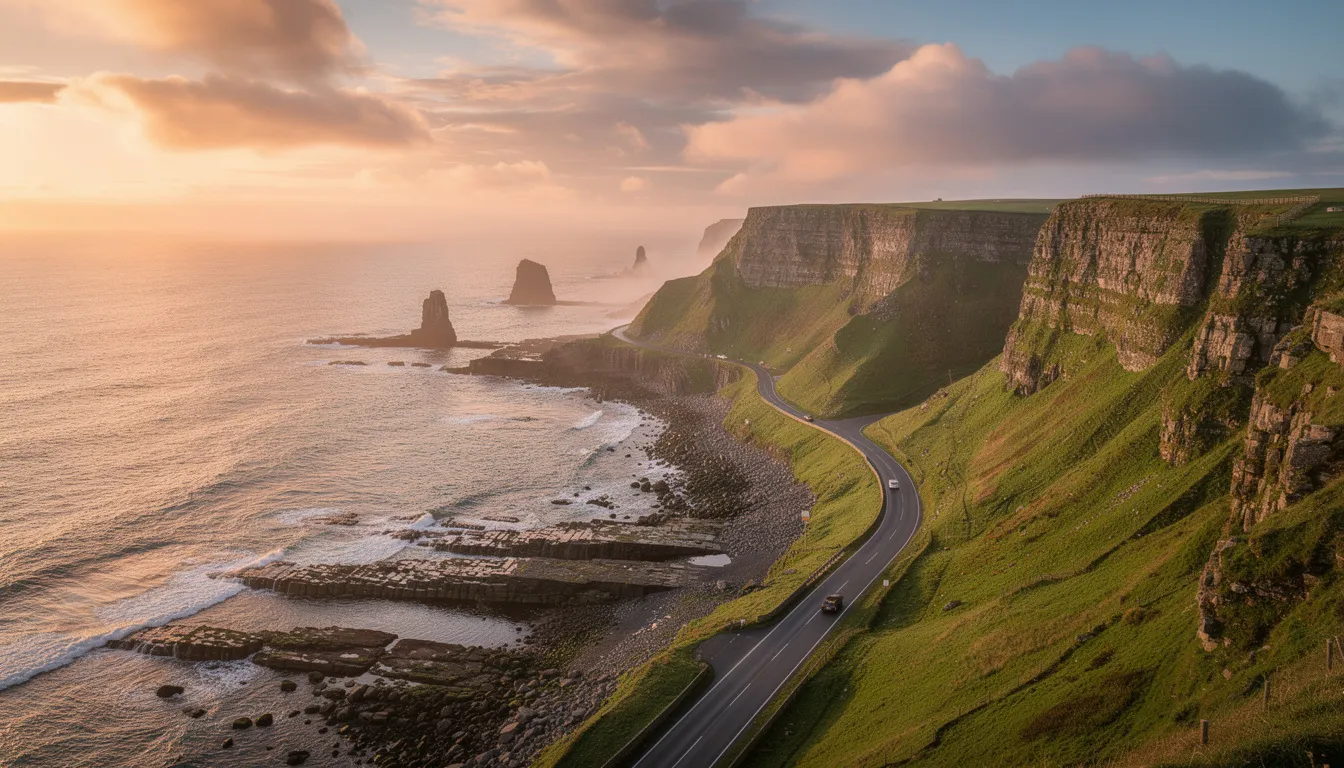
The broader Causeway Coastal Route touring experience positions The Gobbins as one highlight among many along this world-renowned scenic drive. Visitors often combine their Gobbins experience with stops at the Giant’s Causeway, Carrick-a-Rede Rope Bridge, Kinbane Castle, Dunluce Castle, and other attractions that showcase different aspects of Northern Ireland’s coastal heritage.
Local walking trails around the Islandmagee peninsula provide additional outdoor activities for visitors who enjoy hiking and coastal exploration. These trails offer varying difficulty levels and can accommodate different fitness levels while showcasing the diverse landscapes of this remarkable peninsula.
The area’s historical sites include connections to local folklore and historical events, including references to the infamous Islandmagee witch trials of 1711. Local guides often incorporate these stories into their presentations, adding cultural depth to the natural and engineering attractions.
Photography enthusiasts find abundant opportunities throughout the region, from dramatic seascapes and geological formations to wildlife and historical infrastructure. The changing light conditions and weather patterns create constantly evolving conditions for capturing memorable images of this dynamic coastal environment.
The combination of activities available in the area means that visitors can easily spend multiple days exploring the region, with The Gobbins serving as either a centerpiece attraction or one component of a broader Northern Ireland coastal adventure. This flexibility helps accommodate different travel styles and interests while maximizing the value of the journey to this spectacular part of County Antrim.
The ongoing development of tourism infrastructure in the region continues to expand activity options while maintaining respect for the natural environment that makes the area so special. Whether visitors focus specifically on The Gobbins or incorporate it into broader exploration of Northern Ireland’s coastal attractions, the unique combination of natural drama and human engineering achievement ensures a memorable experience that showcases the best of what this remarkable coastline has to offer.