
Nestled on an island in the River Erne, Enniskillen Castle houses two remarkable museums that offer visitors an unparalleled journey through County Fermanagh’s complex history. These enniskillen castle museums combine local cultural heritage with significant military legacy, creating one of Northern Ireland’s most comprehensive historic sites. From prehistoric settlements to modern military campaigns, the castle museums provide an immersive exploration of fermanagh’s heritage spanning thousands of years.
Overview of Enniskillen Castle Museums
The historic castle site on Castle Island in the county town of Enniskillen serves as home to two museums: the fermanagh county museum and the inniskillings museum. This unique arrangement allows visitors to explore both local cultural history and military heritage within the ancient walls of a medieval fortress that has witnessed centuries of Ireland’s complex history.
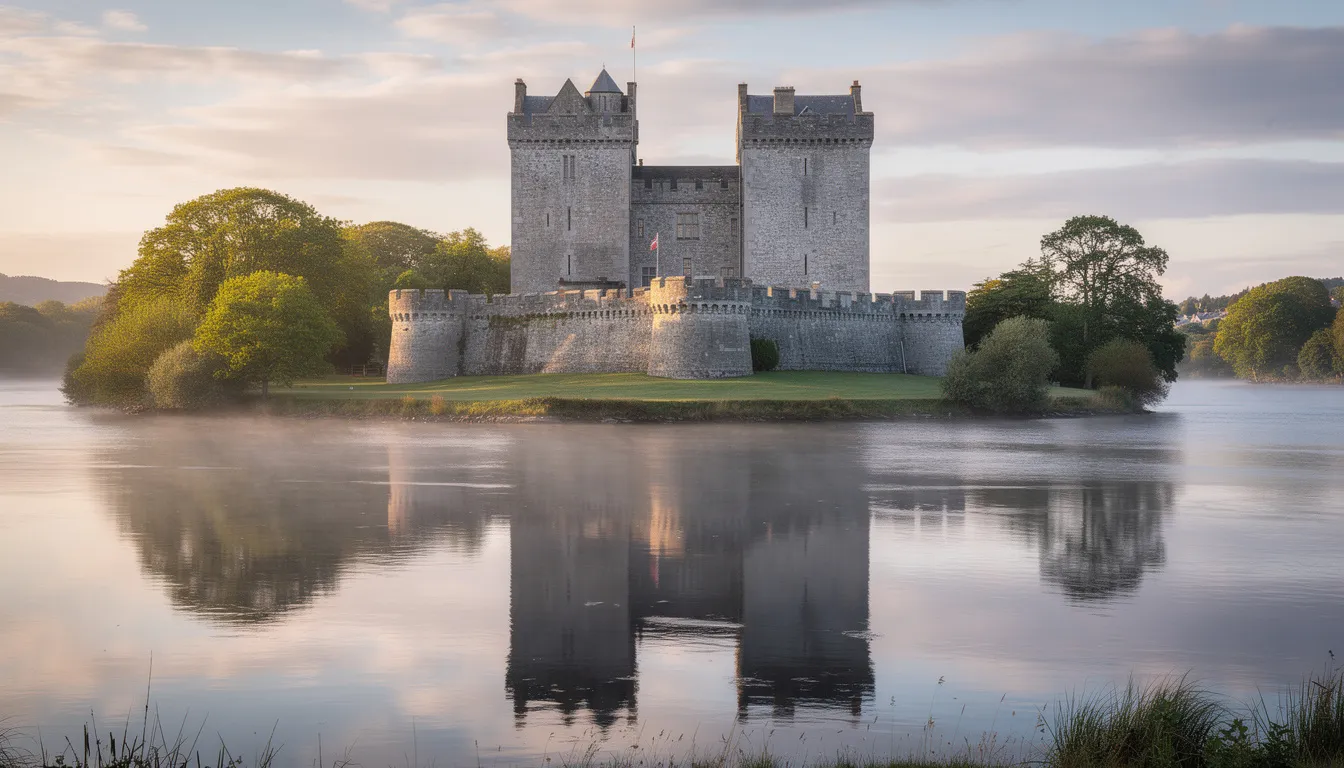
Built in the early 15th century by the powerful Maguire family, the castle’s strategic position beside the river erne made it a crucial stronghold for controlling access to Ulster. Today, these castle museums offer comprehensive exploration of the region’s story from prehistoric times through modern military history, making it an essential destination for understanding northern ireland’s rich cultural tapestry.
The two museums housed within the castle grounds work together to tell complementary stories – one focusing on the county’s rich history from ancient times to rural traditions, while the other chronicles over 300 years of famous regiments that originated in this historic castle site. Visitors can explore both museums with combined tickets, allowing for a full day of discovery within the castle walls.
Fermanagh County Museum
The fermanagh county museum occupies the castle keep and showcases the county’s fascinating journey from Stone Age settlements through contemporary rural life. The museum’s collections span prehistoric times to present day, offering visitors a deeper understanding of how generations have shaped the fermanagh lakelands.
Ancient Heritage and Archaeological Treasures
The museum houses remarkable artifacts from prehistoric times, including bronze torcs, stone axes, and early christian stone sculptures that reveal the area’s ancient inhabitants. Interactive displays bring to life the crannog lake dwellings that once dotted lower lough erne, showing how early settlers adapted to the unique landscape of islands and waterways.
The White Island stone figures, among Ireland’s most mysterious archaeological treasures, are featured prominently in the museum’s ancient heritage section. These carved stone sculptures, dating from early Christian periods, demonstrate the complex history of religious and cultural influences that shaped the region long before the medieval castle was constructed.
Local Industries and Craftsmanship
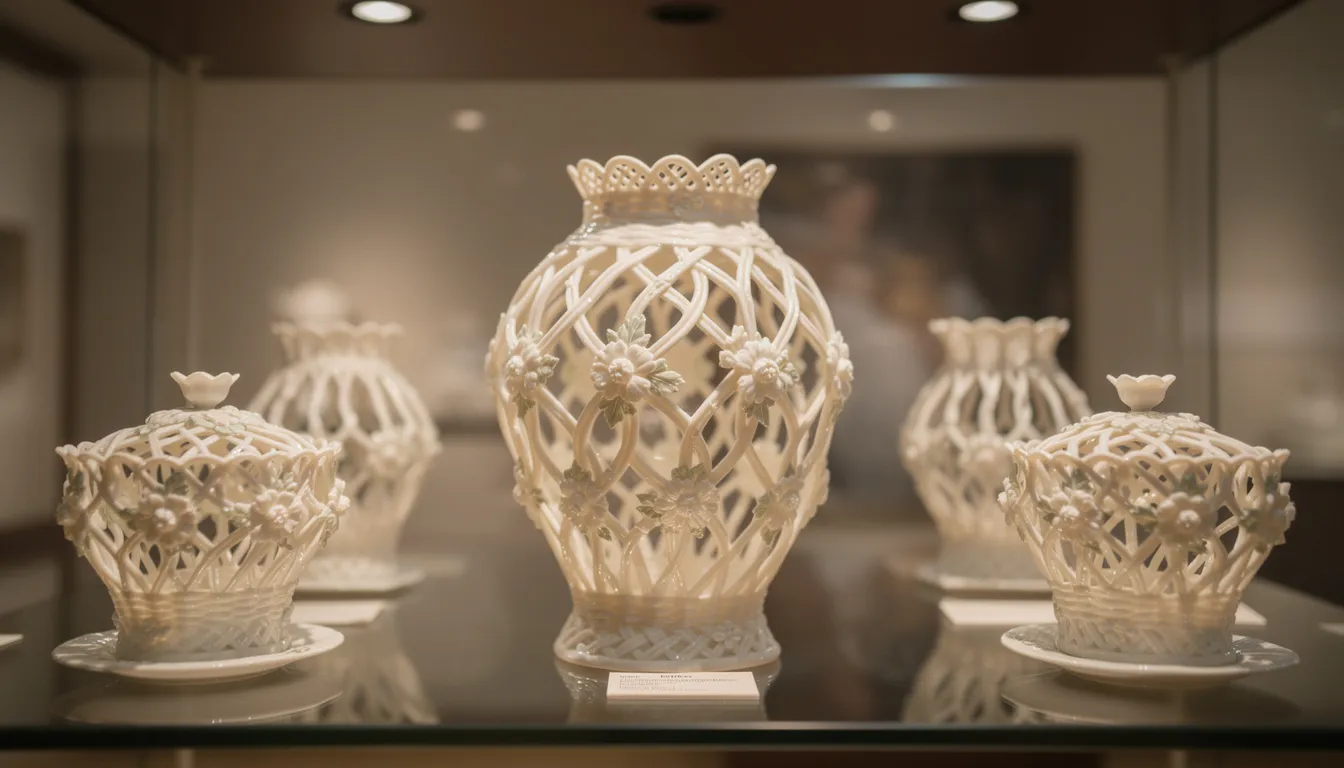
One of the museum’s highlights celebrates the famous Belleek Pottery, tracing its evolution from humble beginnings to the internationally renowned Parian china collections that made the company a symbol of local craftsmanship. The pottery displays showcase the intricate baskets and delicate pieces that established Belleek as one of county fermanagh’s most successful exports.
The full circle art gallery within the museum rotates exhibitions featuring contemporary artists alongside historical pieces, creating connections between past and present creative traditions. Visitors can explore how local crafts evolved from practical necessities to artistic expressions that continue to define the region’s cultural identity.
Rural Traditions of the Fermanagh Hearth
The museum’s rural traditions section recreates the fermanagh hearth, showing how families lived and worked in traditional cottages around lough erne. These imaginative displays combine historical artifacts with interactive elements, allowing visitors to experience the rhythms of agricultural life that sustained communities for centuries.
Natural history exhibits explore the unique ecosystem of the fermanagh lakelands, highlighting the wildlife and plant species that thrive in this landscape of interconnected waterways. The displays show how the natural environment shaped human settlement patterns and influenced the development of local area traditions that persist in modern times.
The Inniskillings Museum
The inniskillings museum, dedicated to the royal inniskilling fusiliers and the 5th royal inniskilling dragoon guards, chronicles over 300 years of military service from these famous regiments. Housed within the historic military barracks sections of the castle, the museum brings to life the stories of soldiers who served across the british empire from this strategic fortress.
Regimental Formation and Early Campaigns
The museum traces the regiments’ origins to 1689 during the Williamite Wars, when Protestant settlers formed cavalry and infantry units to defend against Jacobite forces. These early formations grew into the royal inniskilling dragoon guards and royal inniskilling fusiliers, making Enniskillen unique as the only town in ireland to give its name to both cavalry and infantry regiments.
Interactive displays guide visitors through major campaigns including the Napoleonic Wars, Crimean War, and Boer War, showing how soldiers from county fermanagh served in conflicts across Europe, Africa, and Asia. Personal letters and diaries reveal the human stories behind military campaigns, connecting visitors to the individual experiences of those who served far from the castle barracks where they trained.
Military Collections and Victoria Crosses
The museum houses an extensive collection of uniforms, medals, weapons, and military memorabilia spanning centuries of service. Several Victoria Crosses earned by Inniskilling soldiers are displayed alongside the stories of extraordinary courage that led to these highest military honors.

The museum and the inniskillings collection includes personal items sent home by soldiers, photographs from various campaigns, and regimental archives that provide genealogical resources for families researching military ancestors. These materials offer insights into how military service shaped not just individual lives but entire communities connected to the castle grounds.
World Wars and Modern Service
Dedicated sections cover both World Wars, showing how the regiments adapted to modern warfare while maintaining their connection to enniskillen castle. The museum presents the transformation from traditional cavalry charges to mechanized warfare, highlighting how soldiers from the local area served in major battles from the Somme to D-Day.
The exhibits extend through to the regiments’ amalgamation and modern service, ensuring visitors understand how military traditions that began in these ancient walls continue to influence the british army today. Interactive elements allow visitors to explore battle maps, hear recorded testimonies, and understand the evolution of military technology used by Inniskilling soldiers.
Castle History and Architecture
The castle itself tells a remarkable story of transformation from Gaelic stronghold to english fortress to modern museum complex. Its strategic island location controlled the crucial crossing point of the river erne, making it one of the most important fortifications in medieval Ulster and a key site during centuries of conflict. one of the most important fortifications in medieval Ulster
The Maguire Legacy
The maguire family ruled fermanagh for over 350 years from the 13th to early 17th century, making enniskillen castle the seat of Gaelic power in the region. Hugh maguire, one of the most famous clan leaders, led resistance against English forces during the nine years war, using the castle as his base for defending Gaelic Ireland against expanding English control.
The maguire story is preserved throughout the castle, with stone effigies and carved monuments displayed in the museum collections. Their defeat marked the end of Gaelic rule and the beginning of the Plantation era, when protestant settlers transformed both the castle and the surrounding landscape.
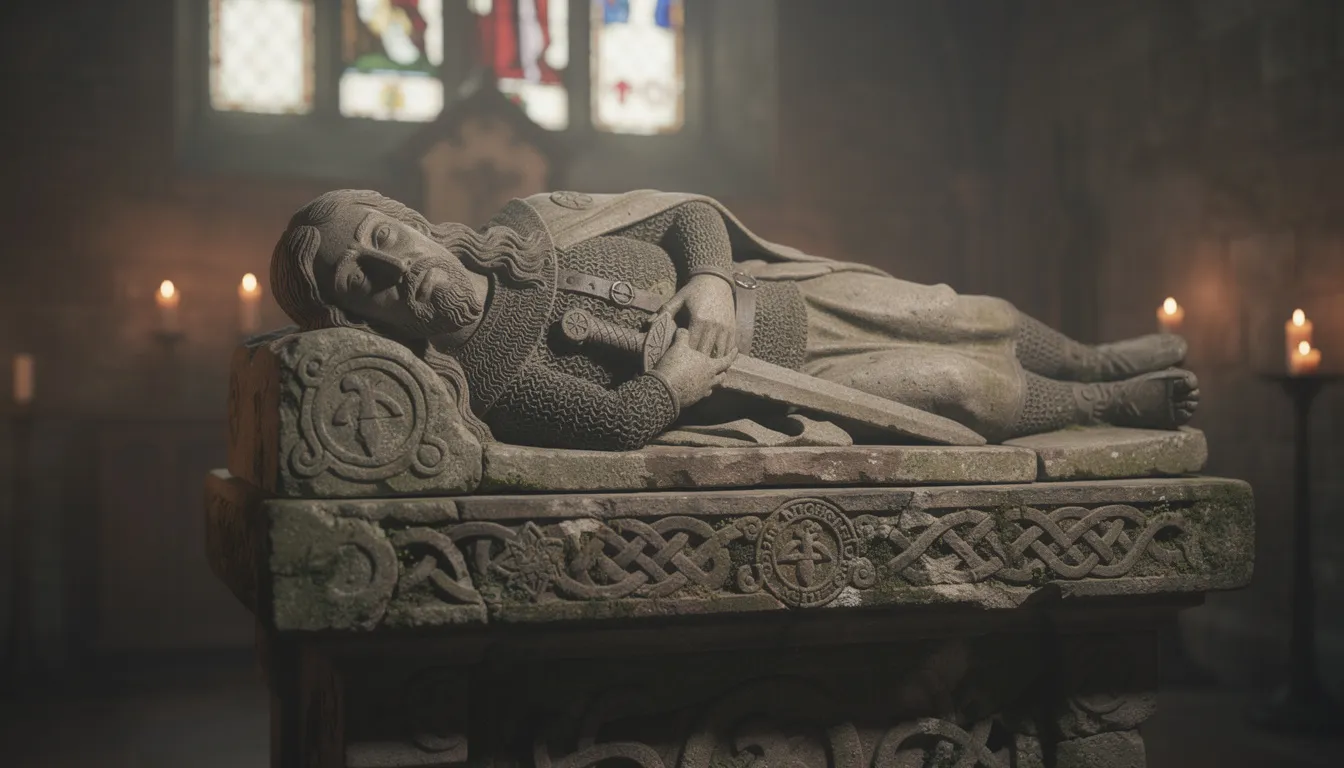
The Maguires’ legacy extends beyond military resistance – they were patrons of Gaelic culture, supporting poets, musicians, and craftsmen who helped preserve Irish traditions during centuries of cultural pressure. The museum collections include artifacts that demonstrate the sophisticated court culture that flourished within these castle walls before the Plantation period.
Transformation Through Historical Periods
Following the nine years war, the castle underwent dramatic changes when Sir William Cole, an english planter, rebuilt and expanded the fortress in the 1620s. The iconic twin-turreted Water Gate, now one of the castle’s most recognizable features, was added during this Plantation period transformation.
The castle served as british army barracks and recruitment center for centuries, with the military barracks expanding to accommodate growing garrison needs. Different architectural periods are visible throughout the complex, showing the evolution from medieval tower house to english fortress to modern museum facility.
The castle grounds include structures from multiple eras – the original medieval keep, Plantation-period additions, 18th and 19th-century barracks buildings, and contemporary museum facilities that house collections while preserving the site’s historical integrity. This layered architecture tells the story of ireland’s complex history through stone and mortar.
Visitor Information and Planning
The enniskillen castle museums operate year round with seasonal variations in opening hours. Summer months offer extended opening times to accommodate increased visitor numbers, while winter schedules focus on weekend and holiday access. Current opening hours and admission prices should be verified on the official website before planning your visit.
Ticketing and Access
Family tickets provide excellent value for groups with children, while individual admissions allow flexible exploration of either one or both museums. Combined tickets offer the best value for visitors wanting to experience both the fermanagh county museum and inniskillings museum, along with access to explore the castle grounds and architectural features.
The museums are designed to accommodate self-guided tours with multimedia displays and interpretive panels throughout both collections. guided tours can be arranged for groups with advance booking, providing expert commentary on the collections and castle history.
Ticket Type | Adult | Child | Family |
|---|---|---|---|
Single Museum | £4.50 | £2.00 | £12.00 |
Combined Museums | £7.00 | £3.00 | £18.00 |
Guided Tour | £8.50 | £4.00 | £22.00 |
Accessibility and Facilities
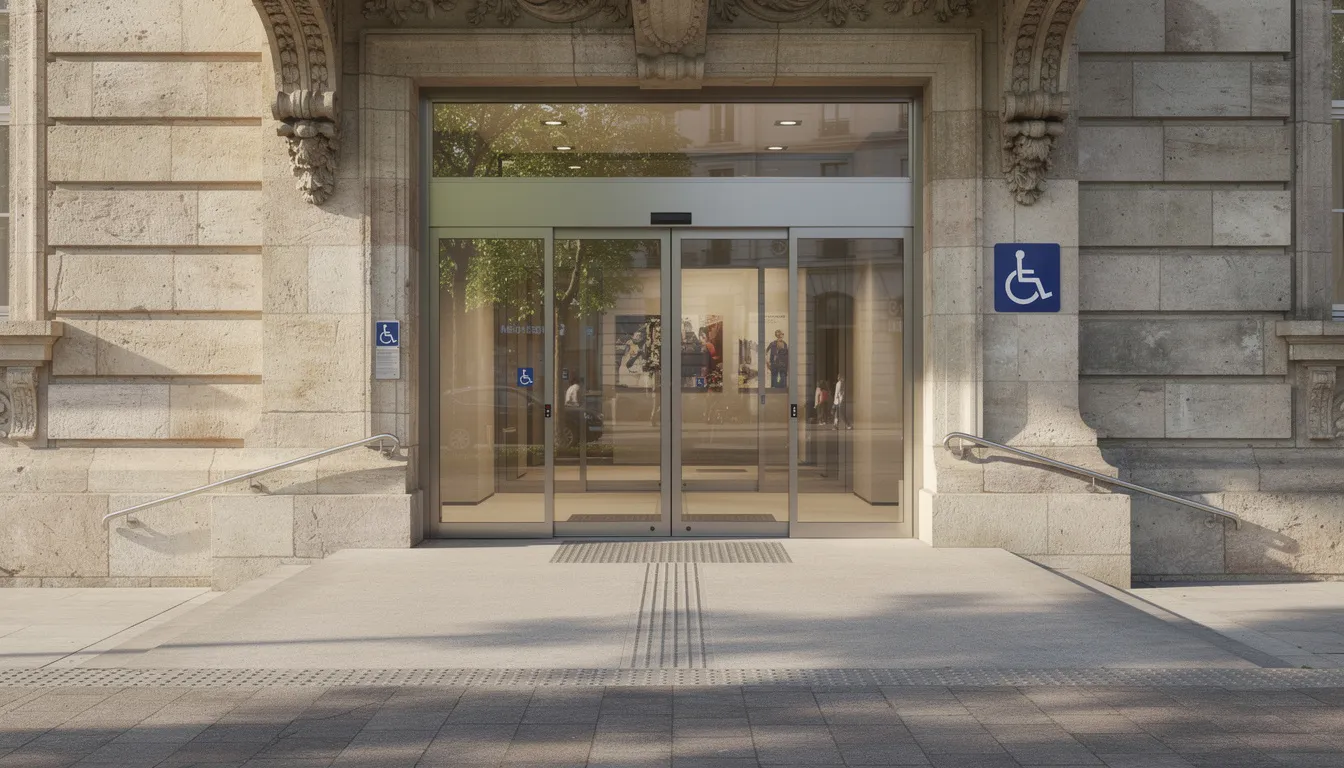
The castle museums provide accessible facilities including ramps, lifts, and accessible toilets in main museum areas. However, some historic sections have limited access due to original medieval construction and narrow stone staircases that cannot be modified without damaging historical integrity.
Visitors should plan 3-4 hours minimum for a comprehensive visit to both museums and exploration of the castle grounds. The site includes a gift shop offering local crafts, books, and castle-themed souvenirs, along with basic refreshment facilities for visitors.
The museums offer educational resources for schools and families, including activity sheets and interactive elements designed to engage younger visitors while providing substantive learning experiences about local history and military heritage.
Special Exhibitions and Events
Throughout the year, the castle museums host regular temporary exhibitions showcasing local history, archaeology, and military heritage. These rotating displays complement the permanent collections, often featuring recently discovered artifacts or focusing on specific aspects of fermanagh’s heritage.
Educational Programs and Family Activities
Family-friendly workshops and educational programs run during school holidays, offering hands-on experiences with historical crafts, archaeology, and military history. Children can participate in medieval-themed activities, learn traditional crafts, or explore what life was like for soldiers stationed in the castle barracks.
Historical talks and lectures by archaeologists and military historians provide deeper insights into specific aspects of the collections. These events attract both casual visitors and serious history enthusiasts, creating opportunities for learning beyond the standard museum displays.
The museums also coordinate with local schools to provide curriculum-linked educational visits, supporting learning objectives in history, geography, and cultural studies. Teachers can access pre-visit materials and post-visit resources to extend the museum experience in the classroom.
Group Visits and Special Events
guided tours for groups can be tailored to specific interests, whether focusing on military history, local cultural heritage, or architectural evolution. Advanced booking ensures availability and allows for customized experiences based on group size and interests.
The castle venues are available for hire for special events and corporate functions, offering unique historic settings for meetings, receptions, or celebrations. The combination of medieval architecture and modern facilities creates memorable venues for various occasions.
Annual events celebrating fermanagh’s heritage and Inniskillings regimental traditions include military ceremonies, cultural festivals, and historical commemorations. These events often feature special access to normally restricted areas of the castle or special exhibitions not available during regular operating periods.
Nearby Attractions
The castle museums serve as an ideal starting point for exploring the broader fermanagh lakelands region. Within easy reach of enniskillen, visitors can extend their historical journey through multiple complementary attractions that showcase different aspects of the county’s heritage.
Historic Houses and Gardens
florence court, a magnificent National Trust property, features an 18th-century mansion with period furnishings and extensive gardens. The estate offers guided tours, woodland walks, and seasonal events that complement the castle museums’ focus on local history and cultural development.
castle coole, another National Trust property, showcases neoclassical architecture in a stunning parkland setting. The mansion provides insights into the lives of the colonial aristocracy who shaped county fermanagh during and after the Plantation period.
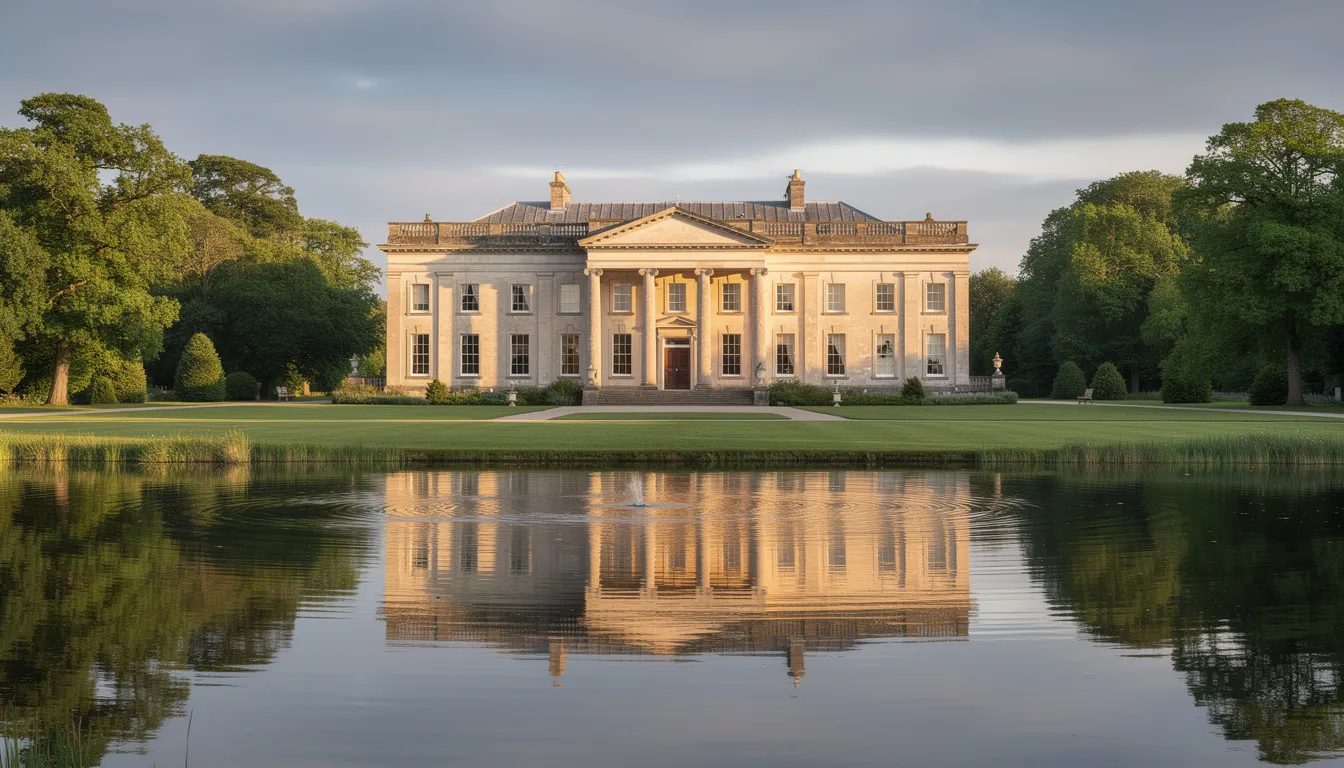
Both houses offer perspectives on how different social classes lived in historic fermanagh, providing context for the rural traditions and local crafts displayed in the fermanagh county museum.
Natural Heritage Sites
Devenish Island monastic site, accessible by boat from enniskillen, features a 12th-century round tower and extensive monastic ruins that predate the castle by several centuries. The island setting on lower lough erne connects visitors to the early Christian heritage referenced in the castle museums’ archaeological collections.
The Marble Arch Caves European Geopark offers underground tours through spectacular cave systems, showcasing the geological forces that shaped the fermanagh landscape. These natural formations complement the museums’ natural history displays and help visitors understand the environmental context of human settlement.
Crom Estate nature reserve preserves ancient woodlands and provides wildlife watching opportunities that illustrate the natural heritage of the lough erne system. The estate’s visitor center interprets the ecological significance of the region’s interconnected waterways.
Water-Based Activities
lough erne boat trips offer scenic cruises and island hopping experiences that showcase the waterways from the perspective of ancient travelers and medieval lords who used the river erne for transportation and communication. These trips often include stops at Devenish Island and other historic sites accessible only by water.
The boat trips provide unique views of enniskillen castle from the water, showing how the fortress would have appeared to approaching visitors or potential attackers throughout its centuries of strategic importance. This perspective helps visitors appreciate the castle’s commanding position and defensive advantages.
Various operators offer different cruise options, from short scenic trips to full-day explorations that combine multiple historic sites around the lough erne system. These water-based experiences complement the land-based museum visits, providing comprehensive understanding of how geography shaped local history.
The enniskillen castle museums represent far more than simple repositories of artifacts – they serve as gateways to understanding the layered history that has shaped county fermanagh from prehistoric times through modern times. The unique combination of local cultural heritage and military history, housed within an authentic medieval castle setting, creates an unmatched educational experience for visitors of all ages.
Whether you’re drawn by the ancient mysteries of early christian stone sculptures, fascinated by the evolution of local crafts like Belleek Pottery, or inspired by the military service stories of the royal inniskilling fusiliers, these museums offer something meaningful for every visitor. The castle’s transformation from Maguire stronghold to english garrison to modern heritage center mirrors the broader story of ireland itself.
Plan your visit to discover how centuries of complex history have shaped this remarkable corner of northern ireland, where ancient walls house both treasured memories and continuing stories of cultural pride and resilience.