
Nestled along the southern shore of Belfast Lough, Bangor stands as one of northern ireland’s most captivating destinations, where ancient monastic heritage meets modern maritime excellence. This charming seaside city, located just 13 miles east of Belfast, offers visitors a unique blend of historical significance and contemporary appeal that has made it one of the most desirable places to live and visit in the region.
In May 2022, Bangor achieved a remarkable milestone when it was awarded city status during Queen Elizabeth II’s Platinum Jubilee celebrations, becoming the sixth city in northern ireland alongside Belfast, Derry, Armagh, Lisburn, and Newry. This recognition marked not just a ceremonial honor, but acknowledgment of Bangor’s growing importance as both a tourist resort and thriving modern city within the United Kingdom.
The name bangor derives from the Irish “Beannchar,” meaning “place of points” or horned or peaked curve, perfectly describing the distinctive crescent shape of bangor bay that has welcomed visitors for over 1,500 years. With approximately 64,596 residents calling this seaside city home, Bangor serves multiple roles as a historic pilgrimage site, popular tourist destination, and vital commuter hub for the wider Belfast metropolitan area.
Overview of Bangor
bangor northern ireland represents a remarkable success story of urban evolution, transforming from an ancient monastic center into one of great britain’s most attractive seaside destinations. The city of bangor occupies a privileged position on the east coast of county Down, where the sheltered waters of belfast lough create an ideal setting for both maritime activities and coastal recreation.
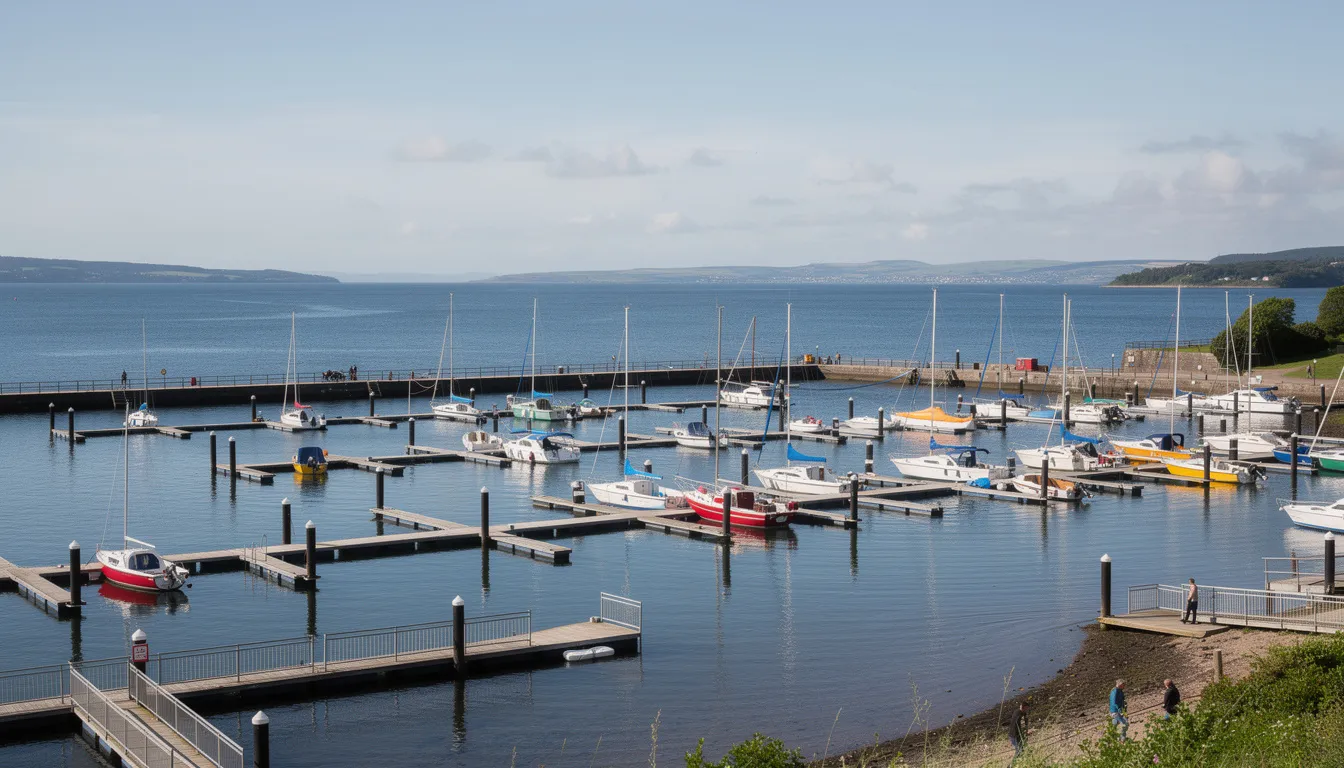
The city’s modern identity centers around bangor marina, recognized as the largest marina in northern ireland and proudly holding Blue Flag Award status. This world-class facility attracts over 1,500 boats annually and serves as headquarters for the prestigious Royal Ulster Yacht Club, establishing Bangor as a premier destination for marine sports and sailing enthusiasts from across the British Isles.
What sets bangor apart from other coastal destinations is its ability to seamlessly blend historical authenticity with contemporary amenities. Visitors can explore medieval abbey ruins in the morning, enjoy world-class dining along the waterfront at lunch, and experience family fun at the pickie fun park in the afternoon—all within minutes walk of each other.
The city’s strategic location makes it an ideal base for exploring the broader ards peninsula, while its excellent transportation links ensure that both Belfast and Dublin remain easily accessible. This combination of accessibility and distinct character has contributed to Bangor’s reputation as both a fashionable resort destination and one of the most sought-after residential areas in northern ireland.
History and Heritage
The long and varied history of bangor spans over 1,500 years, encompassing periods of international scholarly acclaim, violent viking raids, industrial development, and modern transformation into a premier tourist destination. This rich historical tapestry provides the foundation for understanding why this seaside resort has maintained its appeal through countless generations.
Early History and Bangor Abbey
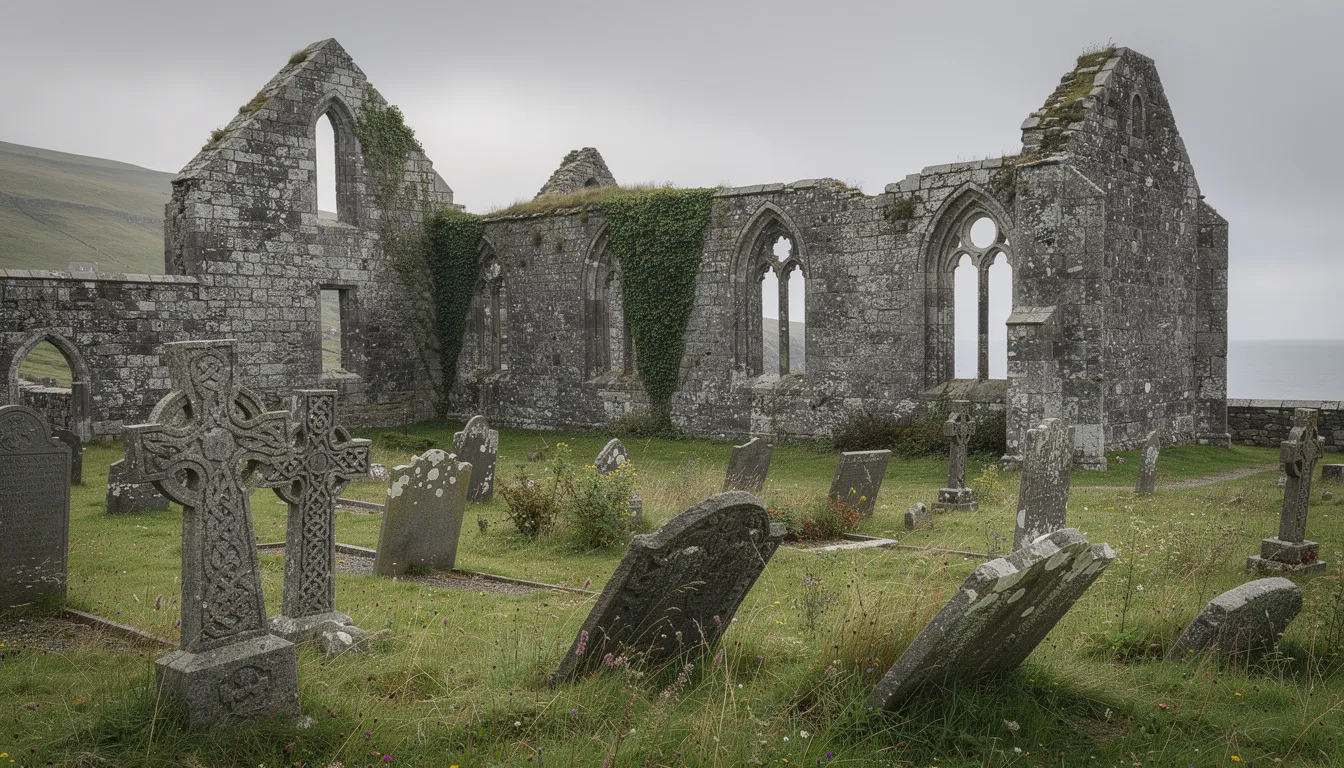
bangor abbey stands as the cornerstone of the city’s historical identity, founded in 558 AD by saint comgall during the golden age of Irish monasticism. This monastery renowned for its scholarship quickly became one of Europe’s most influential centers of learning, attracting students and pilgrims from across the known world. The abbey’s reputation extended far beyond ireland, with its monks serving as missionaries and scholars throughout continental Europe.
The abbey’s intellectual contributions included the creation of the famous Bangor Antiphonary, a collection of liturgical texts and musical notation that remains preserved in Milan’s Ambrosian Library as testament to the monastery’s scholarly achievements. Archaeological evidence reveals that the area’s significance predates even this remarkable monastic period, with bronze age settlements leaving behind artifacts that demonstrate human habitation spanning millennia.
However, this golden period faced severe disruption during the 9th and 10th centuries when viking raids repeatedly devastated the monastic community. These violent viking raids destroyed much of the abbey’s infrastructure and scattered its scholarly community, marking the end of Bangor’s role as a leading European center of learning. The monastery was later rebuilt by Saint Malachy in the 12th century, and remnants of his stone church structure remain visible today within the current abbey grounds.
Modern Development (17th-19th Century)
The transformation of bangor from medieval monastic site to modern commercial center began during the plantation of Ulster in the early 17th century. In 1612, the settlement received formal recognition when king james VI and I granted bangor borough status, establishing the legal framework for organized development. Sir James Hamilton received extensive land grants in the area, attracting scots settlers who would fundamentally reshape the local culture and economy.
The completion of the old custom house in 1637 symbolized Bangor’s growing importance as a port, with the facility collecting customs revenue from increasing maritime trade. This impressive building, one of the finest examples of 17th-century architecture in the region, demonstrated the settlement’s rising commercial significance and its integration into the broader economic networks of great britain and ireland.
The late 18th century brought industrial transformation under the leadership of Colonel Robert Ward, whose improvements to the harbor infrastructure enabled the establishment of steam-powered cotton mills along the waterfront. These cotton industries represented Bangor’s brief but significant period as an industrial center, with steam-driven machinery processing raw materials for export throughout the british isles.
The arrival of the Belfast and County Down Railway in 1865 proved to be the most transformative development in bangor’s modern history. This new railway connection made the town accessible to victorian pleasure seekers from Belfast and beyond, who could now travel comfortably to enjoy the restorative powers of sea air and sea bathing. The inexpensive travel offered by rail transport democratized access to coastal recreation, establishing Bangor as a fashionable resort destination.
20th Century to Present
The inter war period saw bangor’s continued evolution from industrial center to residential suburb and commuter town. The decline of local cotton mills, unable to compete with larger English manufacturing centers, coincided with growing demand for suburban housing among Belfast’s expanding middle class. The city’s excellent rail connections and proximity to the capital made it an ideal location for workers seeking to escape urban congestion while maintaining convenient access to employment.
During world war II, bangor played a strategic role as a base for Allied forces preparing for European operations. The marina’s north pier was later renamed Eisenhower Pier in 2005, commemorating General Dwight D. Eisenhower’s use of the facility during the war. This military heritage adds another layer to the city’s varied history, connecting local developments to major global events.
The post-war period brought significant infrastructure development, including the creation of major tourist attractions designed to enhance bangor’s appeal as a family destination. The development of Pickie Pool (later expanded into pickie fun park) and various entertainment venues reflected the city’s commitment to maintaining its position as northern ireland’s premier seaside resort.
The achievement of city status in 2022 represents the culmination of centuries of development, formally recognizing bangor’s unique combination of historical significance, economic vitality, and cultural importance within northern ireland. This milestone occurred during a period of continued growth and modernization, with ongoing investments in waterfront development and tourism infrastructure ensuring the city’s continued prosperity.
Top Attractions and Landmarks
The city of bangor offers visitors an impressive array of attractions that showcase both its ancient heritage and modern recreational facilities. From medieval abbey ruins to world-class marina facilities, the city provides experiences that cater to diverse interests and age groups, all within easy walking distance of each other.
Historic Sites
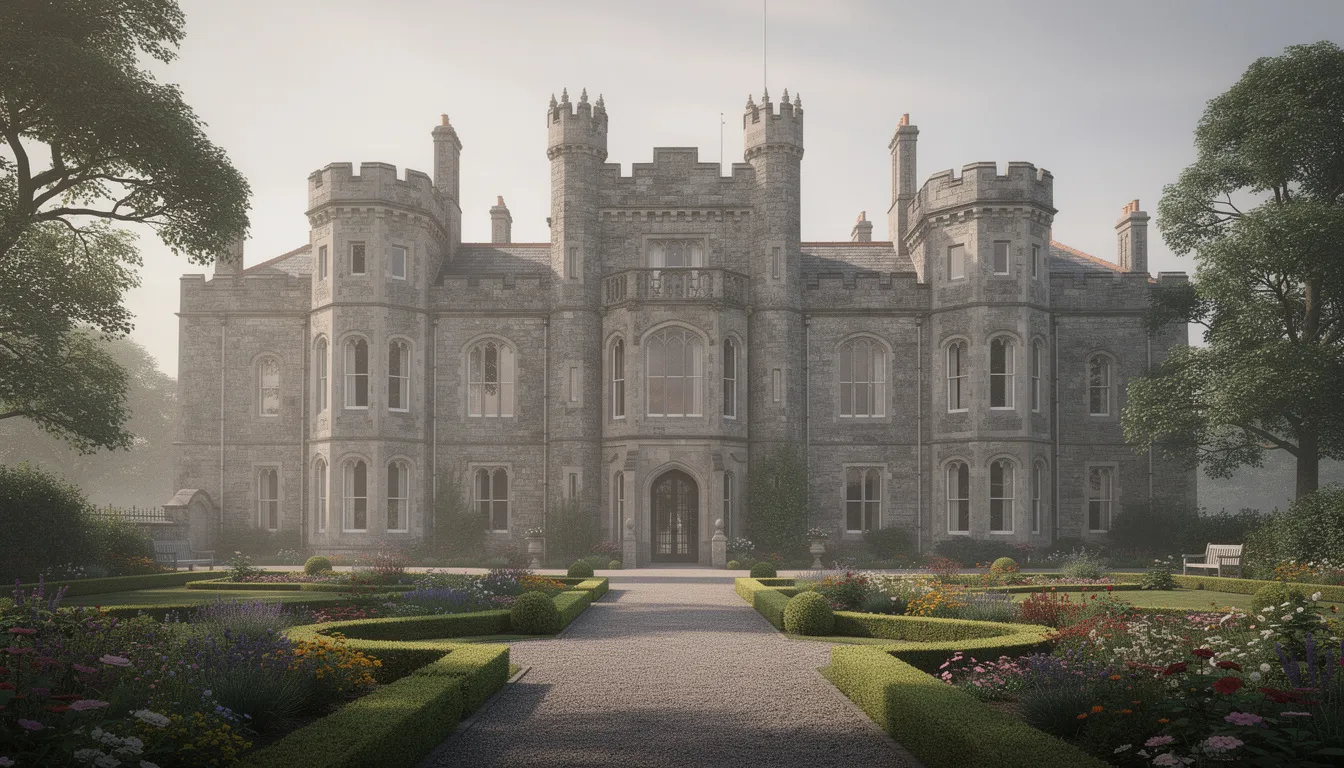
bangor castle, completed in 1852, stands as one of the city’s most impressive architectural landmarks. This magnificent Victorian mansion now serves as the headquarters for Ards and north Down Borough Council, but guided tours allow visitors to explore its elegant interior and learn about the ward family’s significant contributions to the city’s development. The castle’s grounds feature beautifully maintained gardens and provide excellent views across belfast lough.
Adjacent to the castle lies castle park, home to the meticulously restored walled garden that represents one of northern ireland’s finest examples of Victorian horticultural design. This four-section garden showcases different themes throughout the seasons, from spring bulb displays to autumn harvest celebrations. The elevated position offers panoramic views across the lough while providing a peaceful retreat from the bustling marina district.
bangor abbey continues to serve as an active parish church while maintaining its role as a guardian of the city’s ancient heritage. Visitors can explore the medieval foundations, admire beautiful stained glass windows, and visit memorials including a poignant tribute to John Edward Simpson, the Titanic’s assistant surgeon. The abbey’s graveyard contains numerous historic monuments that tell the story of bangor’s development through the centuries.
The north down museum serves as the region’s primary cultural institution, housing extensive collections that trace local history from the bronze age through contemporary times. The museum’s Early Christian heritage exhibits include artifacts from the original monastery, while Viking displays showcase materials recovered from ballyholme beach archaeological excavations. Regular rotating exhibitions ensure that repeat visitors always discover something new.
Marina and Waterfront
bangor marina represents the heart of the modern city’s identity, earning Blue Flag certification through its commitment to environmental standards and visitor amenities. This world-class facility accommodates vessels of all sizes, from small pleasure craft to impressive racing yachts participating in international competitions. The marina’s sophisticated infrastructure supports year-round operations while maintaining the highest safety and environmental standards.
The waterfront promenade extends along the southern side of bangor bay, providing scenic walking routes and access to numerous dining establishments. boat trips operate regularly during the tourist season, offering visitors unique perspectives of the coastline and opportunities to observe marine wildlife in their natural habitat. The marina also hosts various festivals and events throughout the year, from sailing regatta to food festivals.
pickie fun park has evolved from its origins as a simple paddling pool into one of northern ireland’s premier family attractions. The facility includes an 18-hole championship mini golf course, splash pad for younger children, and the beloved pickie puffer steam train that delights visitors of all ages. Pedal swan boats provide a charming way to explore the park’s water features while enjoying views across the bay.
Eisenhower Pier extends into belfast lough, providing excellent fishing opportunities and spectacular views toward Belfast and the surrounding hills. Named in honor of the Allied commander who used these facilities during world war II, the pier serves as both a recreational amenity and a reminder of the city’s strategic importance during crucial historical periods.
Activities and Entertainment
bangor offers an exceptional range of activities that showcase both its natural setting and cultural heritage. Whether visitors seek outdoor adventures, cultural experiences, or family entertainment, the city provides options that take advantage of its unique combination of coastal location and historical significance.
Outdoor Activities
The north down coastal path represents one of northern ireland’s most scenic walking routes, extending 16 miles from Holywood through bangor to Orlock Point. This well-maintained trail offers spectacular views of belfast lough and the great outdoors, with numerous access points allowing walkers to customize their experience based on available time and fitness levels. Wildlife enthusiasts can observe seabirds, seals, and occasionally dolphins while enjoying the sea air that has attracted visitors for generations.
Marine sports enthusiasts will find exceptional facilities at both the Royal Ulster Yacht Club and ballyholme yacht club, institutions that have fostered sailing excellence for over a century. These clubs offer training programs for beginners alongside competitive racing for experienced sailors. The sheltered waters of belfast lough provide ideal conditions for learning, while the open sea beyond offers challenges for advanced practitioners.
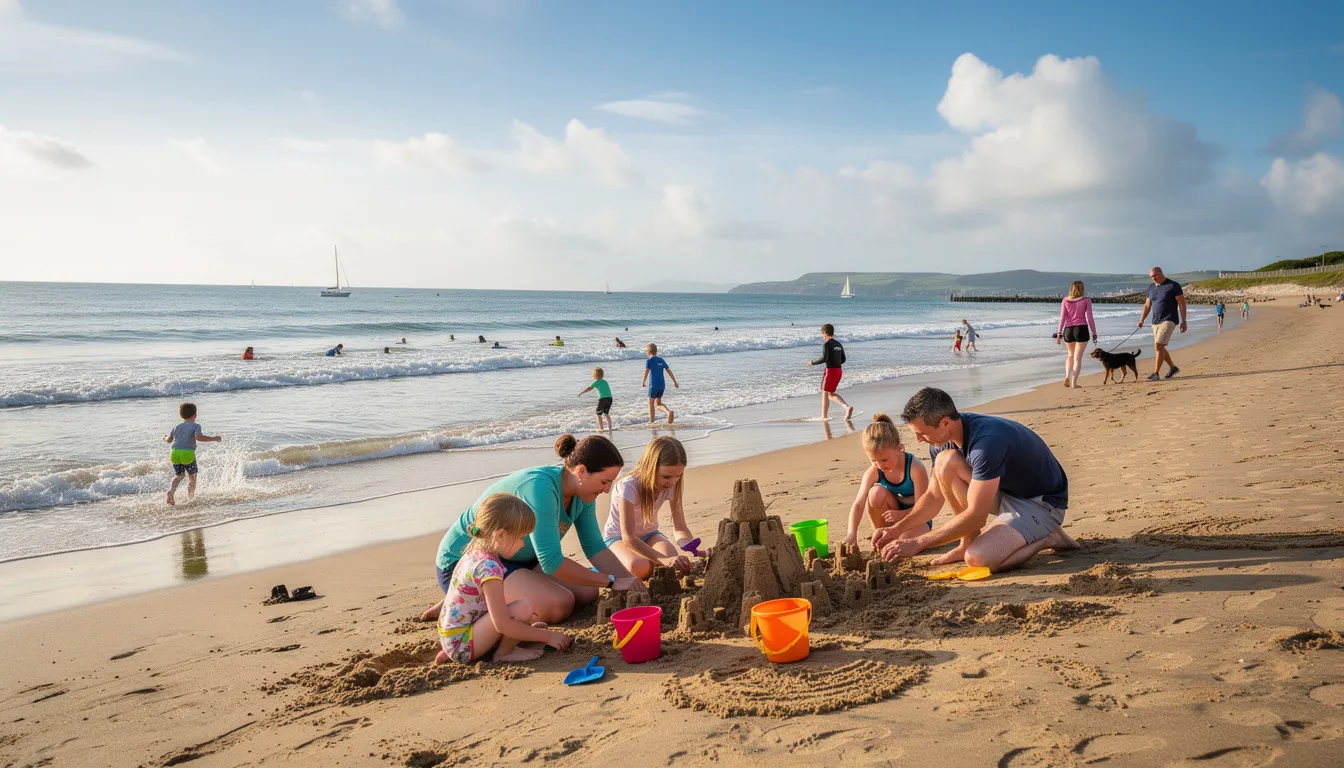
ballyholme beach stretches for over a mile along ballyholme bay, providing one of the finest family beaches in northern ireland. The long sandy shoreline backed by extensive green spaces creates perfect conditions for beach recreation, picnicking, and informal sports. The beach’s Blue Flag status ensures high environmental and safety standards, while lifeguard services operate during peak season.
Crawfordsburn Country Park, located just minutes from the city center, encompasses 3.5 kilometers of pristine coastline along with extensive woodland and river walks. This 99-hectare park provides habitat for diverse wildlife while offering visitors peaceful trails away from urban activity. The park’s visitor center provides educational resources about local ecology and conservation efforts.
Golf enthusiasts can choose from several excellent courses in the surrounding area, each offering unique challenges and scenic settings. These facilities cater to all skill levels while providing opportunities to enjoy the mild climate and beautiful landscapes that characterize the north down area.
Food and Dining Scene
The culinary landscape of bangor reflects both its coastal location and cosmopolitan character, with establishments ranging from traditional pubs to innovative restaurants showcasing international influences. The city’s dining scene has evolved significantly in recent years, attracting both local residents and visitors seeking memorable culinary experiences.
The Guillemot Kitchen Café has earned recognition for its commitment to fresh, locally-sourced ingredients, particularly seafood harvested from the surrounding waters. The restaurant’s seasonal menus reflect the best of northern irish produce while incorporating modern culinary techniques. The waterfront location provides diners with spectacular views while they enjoy expertly prepared dishes.
The Nines Restaurant, Bar & Boutique Hotel represents bangor’s growing sophistication, offering diverse menu options that include vegan, vegetarian, traditional pub grub, and Asian cuisine. This versatility ensures that groups with different dietary preferences can all find suitable options, while the establishment’s stylish atmosphere makes it popular for both casual dining and special occasions.
Little Wing Pizzeria brings authentic Italian flavors to the heart of bangor, featuring traditional wood-fired ovens that create perfectly crispy pizzas using time-honored techniques. The warm, friendly atmosphere and commitment to quality ingredients have made this establishment a local favorite that also attracts visitors seeking authentic Italian dining experiences.
Donegan’s pub maintains traditional irish hospitality while serving classic dishes including excellent fish and chips, juicy burgers, and perfectly prepared steaks. The establishment’s location near the marina makes it popular with sailing enthusiasts and visitors exploring the waterfront district.
The Rabbit Rooms has built a reputation for innovative dishes featuring local specialties including smoked ribs and fresh strangford lough mussels. The restaurant’s commitment to showcasing regional ingredients while presenting them with contemporary flair exemplifies bangor’s evolving culinary identity.
Notable People and Culture
bangor has produced an impressive array of talented individuals who have achieved recognition across diverse fields, from international music sensations to accomplished athletes and celebrated writers. These notable figures reflect the city’s creative environment and cultural vitality, demonstrating how this seaside city has fostered talent that resonates far beyond northern ireland.
Gary Lightbody, lead singer and primary songwriter for the internationally successful band Snow Patrol, represents bangor’s most famous musical export. The band’s albums have achieved multi-platinum status worldwide, with hits like “Chasing Cars” and “Run” becoming modern classics. Lightbody’s continued connection to his hometown demonstrates the enduring influence of bangor’s cultural environment on artistic development.
Foy Vance has built an acclaimed international career as a singer-songwriter, with his powerful vocals and emotionally resonant lyrics earning recognition from critics and audiences worldwide. His collaborations with major artists and successful recording career illustrate the depth of musical talent that emerges from bangor’s creative community.
Members of Two Door Cinema Club, the indie rock band that has achieved global recognition with their distinctive sound and energetic performances, also call bangor home. The band’s success in international markets and festival circuits demonstrates the city’s continued ability to nurture innovative musical talent.
Colin Bateman has established himself as one of northern ireland’s most successful novelists and screenwriters, with his works reaching international audiences through both literary publications and television adaptations. His satirical style and acute observations of irish society reflect the intellectual traditions that have characterized bangor since its monastic origins.
Zoe Salmon gained widespread recognition as a Blue Peter presenter before expanding her career into various television projects. Her success in british media demonstrates the confidence and communication skills fostered by bangor’s educational and cultural institutions.
Kelly Gallagher made history as the first northern ireland athlete to compete in the Winter Paralympics, achieving remarkable success in alpine skiing despite visual impairment. Her achievements exemplify the determination and excellence that characterize many of bangor’s notable residents.
Niamh Perry has built a successful career as an actress, appearing in numerous stage productions and screen performances that showcase the dramatic arts training available in the region. Her work demonstrates the continuing tradition of performance arts that connects to bangor’s long cultural history.
Getting There and Transportation
bangor northern ireland enjoys excellent transportation connections that make it easily accessible from throughout the united kingdom and ireland. The city’s strategic location within the Belfast metropolitan area, combined with its proximity to major airports and ferry terminals, ensures convenient access for visitors arriving by various means of transport.
Air travelers can choose between Belfast International Airport and George Best Belfast City Airport, both located within 45 minutes’ drive of bangor. These facilities provide connections to major British cities including London, Manchester, Liverpool, and Edinburgh, as well as international destinations throughout Europe and north america. Dublin and Shannon airports offer additional options for visitors approaching from southern ireland or international locations.
The Belfast and County Down Railway provides regular train service connecting bangor directly to Belfast Central Station, with the journey taking approximately 30 minutes through scenic countryside. This historic railway line, first opened in 1865, continues to serve as a vital transportation link while offering passengers glimpses of the beautiful landscapes that attracted the original victorian pleasure seekers to this destination.
Road access via the A2 coastal route provides one of the most scenic approaches to bangor, with the 25-minute journey from Belfast following the shoreline of belfast lough. This route offers spectacular views while passing through charming villages and historical sites that provide context for understanding the broader regional heritage.
Ulsterbus services connect bangor with communities throughout county Down and beyond, providing affordable transportation options for visitors without private vehicles. These services integrate with the broader public transportation network, enabling easy exploration of the entire ards peninsula and surrounding attractions.
Ferry connections through Belfast port provide links to Scotland and England for visitors traveling from great britain. The port’s proximity to bangor makes this an attractive option for those bringing vehicles or seeking to combine their visit with broader touring of ireland.
The city’s compact size and excellent pedestrian infrastructure make walking the preferred method for exploring central bangor once visitors arrive. Most major attractions, restaurants, and shopping areas lie within easy walking distance of each other, while the scenic coastal paths provide pleasant routes for longer strolls.

Beyond Bangor: Regional Attractions
The strategic location of bangor makes it an ideal base for exploring the wider ards peninsula and county Down, regions recognized for their outstanding natural beauty and rich historical heritage. These nearby attractions complement bangor’s own offerings while providing opportunities for extended exploration of one of ireland’s most scenic areas.
The ards peninsula stretches southward from bangor, designated as an Area of Outstanding Natural Beauty that encompasses diverse landscapes from rugged coastline to peaceful farmland. This designation recognizes the region’s exceptional scenic value and ensures protection of its unique character for future generations. Villages throughout the peninsula offer authentic irish hospitality while maintaining their distinct cultural identities.
Mount Stewart House and Gardens represents one of ireland’s most spectacular National Trust properties, featuring an 18th-century mansion filled with period furnishings and an impressive art collection. The gardens, carefully planned and planted by Lady Londonderry over a century ago, showcase innovative design principles and rare plant specimens from around the world. The 900-acre estate provides extensive walking trails with views across strangford lough. For those exploring Northern Ireland, Portstewart is another picturesque coastal destination known for its stunning beaches and vibrant promenade.
strangford lough, the largest sea lough in the british isles, offers exceptional opportunities for wildlife observation and marine recreation. This Area of Outstanding Natural Beauty supports diverse ecosystems including important breeding grounds for seabirds and marine mammals. The lough’s sheltered waters provide excellent sailing conditions while its shoreline communities maintain traditional fishing and farming practices.
Castle Espie Wetland Centre serves as the winter home to vast flocks of Brent geese while providing year-round sanctuary for numerous bird species. The center’s visitor facilities include observation hides, walking trails, and educational programs that help visitors understand the importance of wetland conservation. Professional guides offer specialized tours for serious wildlife enthusiasts.
The ulster folk Museum near belfast presents authentic reconstructions of traditional irish rural life, with historic buildings relocated and restored to create immersive experiences of past centuries. Costumed interpreters demonstrate traditional crafts and farming techniques while explaining how ulster scots settlers and other communities shaped the regional culture.
Nendrum Monastic Site on Mahee Island preserves the ruins of a 5th-century monastery that paralleled bangor abbey’s early development. The interpretive center explains the site’s significance within early Christian ireland while walking trails provide access to the ancient stone foundations and surrounding natural areas.
Scrabo Tower near Newtownards offers panoramic views across strangford lough and the surrounding countryside from its prominent hilltop position. This 19th-century memorial tower provides context for understanding the region’s geography while serving as a popular destination for families seeking moderate hiking opportunities with spectacular rewards.
These regional attractions demonstrate how bangor serves not just as a destination in itself, but as a gateway to experiencing the broader cultural and natural heritage of northern ireland. The excellent transportation connections and accommodation options in bangor make it practical to use the city as a base while exploring these diverse nearby treasures.
Whether visitors seek ancient historical sites, world-class gardens, exceptional wildlife viewing, or simply the pleasure of exploring charming irish communities, the area surrounding bangor provides endless opportunities for discovery. The combination of bangor’s own substantial attractions with these remarkable nearby destinations creates possibilities for extended stays that reveal the full depth and diversity of this exceptional corner of the united kingdom.
The transformation of bangor from ancient monastic center to modern seaside city represents one of northern ireland’s greatest success stories. This remarkable destination offers visitors the rare opportunity to experience centuries of fascinating history while enjoying contemporary amenities and world-class recreational facilities. From the scholarly traditions of bangor abbey to the maritime excellence of bangor marina, every aspect of the city reflects the enduring appeal that has attracted visitors for over 1,500 years.
Whether you’re drawn by the promise of restorative sea air, the challenge of world-class sailing conditions, the fascination of ancient history, or simply the pleasure of exploring one of the most beautiful corners of the british isles, bangor delivers experiences that exceed expectations. The city’s recent achievement of official city status recognizes what visitors have long understood—that this special place deserves recognition as one of northern ireland’s premier destinations.
Plan your visit to discover why bangor continues to captivate travelers from around the world, offering the perfect combination of historical depth, natural beauty, and contemporary comfort that defines the very best of irish hospitality.