
Nestled in the beautiful mountains of County Down, Spelga Dam offers visitors a unique blend of engineering heritage, natural wonder, and recreational opportunities. This man made reservoir sits proudly in the heart of the Mourne Mountains, providing not only essential water supply to the region but also serving as a popular destination for tourists exploring the scenic High Mournes Scenic Loop. From its fascinating gravity-defying magic road to the peaceful lookout points overlooking the glassy reservoir, Spelga Dam northern ireland represents one of the area’s most intriguing attractions.
Whether you’re planning a family friendly walk, seeking adventure in the beautiful mountains, or simply want to experience the famous “roll uphill” phenomenon that has puzzled visitors for decades, this comprehensive guide will help you make the most of your trip to this remarkable location.
What is Spelga Dam
Spelga Dam is a man made reservoir built in the scenic Deers Meadow, located approximately 10 miles from Newcastle in County Down. This engineering marvel sits at over 1,200 feet above sea level, creating a substantial water body that serves multiple purposes for both infrastructure and recreation. The dam was constructed by the renowned Belfast engineering firm R Ferguson and Son to impound the River Bann, which rises on the nearby Slieve Muck mountain.
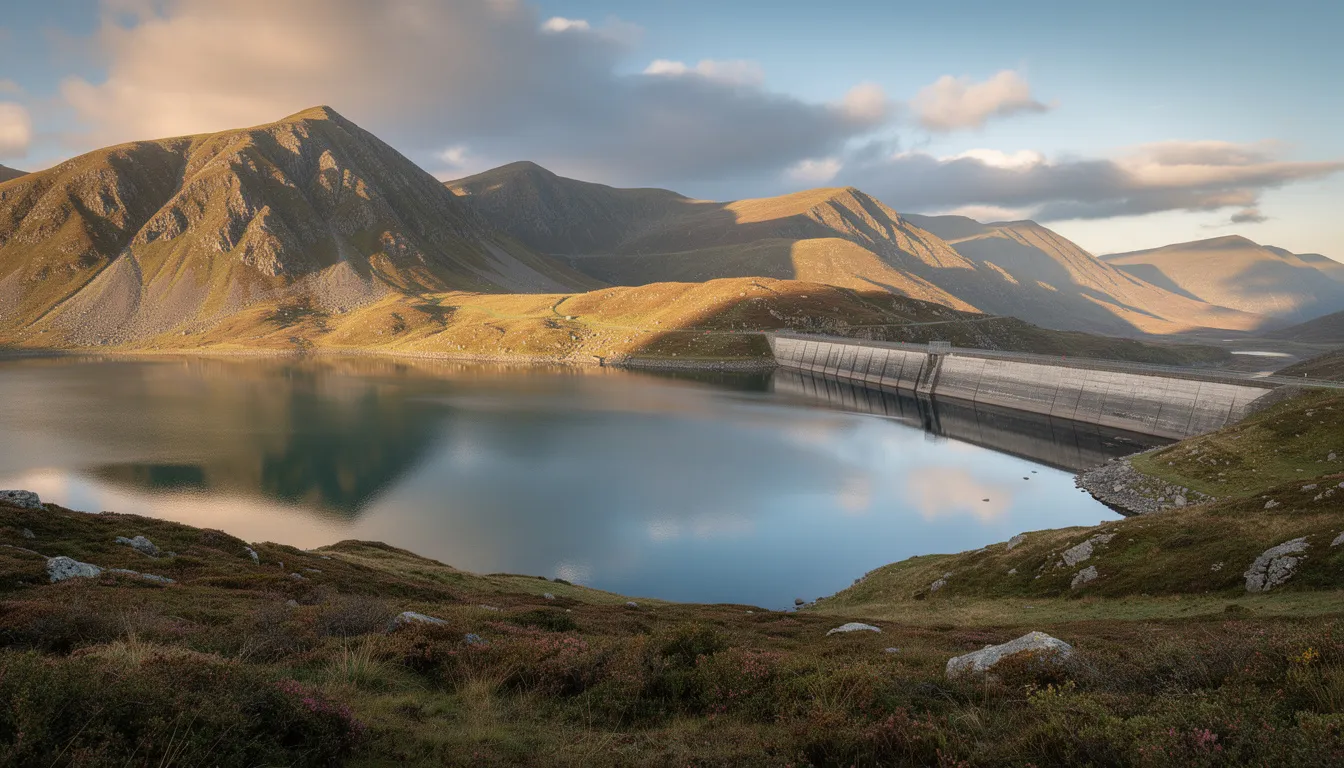
The reservoir occupies a catchment area of 5.423 square kilometers and holds an impressive 2,700,000 cubic metres of water. Today, it serves as a crucial component in supplying water to the Portadown and Banbridge areas, while also functioning as a peaceful lookout point for visitors exploring the Mourne Mountains region.
Located along the High Mournes Scenic Loop, Spelga Dam has become an integral stop for tourists following the Mourne coastal route. The site offers spectacular views of the surrounding beautiful mountains and provides facilities accessible spaces for visitors of all abilities. The reservoir maintains wild populations of pike and trout, though it has not been stocked with fish in recent years.
History and Construction
The Spelga Dam project represents a significant achievement in mid-20th century Northern Ireland engineering. Construction began in 1953 and was completed in 1957, with the project originally conceived as part of a visionary infrastructure initiative dating back to 1894. The Belfast engineering firm R Ferguson and S McIlveen designed this ambitious undertaking, while the actual construction was carried out by John Laing & Sons, a major construction company that had grown prominent enough to be listed on the London Stock Exchange in 1953.
The original landscape of Deers Meadow was dramatically transformed by this engineering project. Before construction, the area served as a seasonal settlement where Irish Red deer roamed through the mountains surrounding the meadow. Archaeological excavations revealed fascinating historical evidence, including three groups of transhumant buildings known as booley huts, some dating to the eighteenth century. Even more remarkably, flint flakes discovered during the excavation suggested the site had been utilized since prehistoric times.
The construction required rebuilding the B27 road above the reservoir to replace the original road that would be submerged by the newly created water body. This original road formerly linked Hilltown with Kilkeel in County Down, passing directly through Deers Meadow. The project cost £650,000 to complete, representing a substantial investment in regional water supply infrastructure for the era.
The reservoir was specifically engineered to gather water from the River Bann, creating a reliable water supply system that continues to serve the region today. The underlying geological foundation consists of Pleistocene glacial drift formed during the last Ice Age, providing stable bedrock for the dam’s construction.
Location and Getting There
By Car from Newcastle
Reaching Spelga Dam by car offers visitors the most flexibility and convenience for exploring the broader Mourne Mountains region. From Newcastle, follow the A2 Mourne coastal route heading south. After approximately 3 miles, you’ll need to turn right onto Quarter Road, which begins your ascent into the mountains.
Continue along Quarter Road follow the route as it transforms into part of the High Mournes Scenic Loop. This scenic drive will take you past Silent Valley reservoir, offering spectacular mountain views along the journey. After passing the Silent Valley, continue for approximately 2.5 miles until you reach the Kilkeel road turn.
Turn left onto Kilkeel Road and travel exactly 0.7 miles to reach the main carpark, which will be located on the left side of the road. The main carpark provides the best facilities and most convenient access to the dam and surrounding attractions.
For those preferring the south side access, continue past the main carpark for a short distance to find the smaller, alternative parking area. While this south side location offers fewer amenities, it provides excellent viewpoints of the dam structure itself.
Public Transport Options
While reaching Spelga Dam by public transport requires more planning, several options are available for visitors without private vehicles. The most reliable service is the Mourne Shuttle Service, which operates throughout the year with advance booking required.
To arrange Mourne Shuttle Service transportation, contact Kevin at 073 6852 9714 or Peter at 075 1641 2076. This service provides door-to-door transportation from Newcastle and surrounding areas directly to Spelga Dam and other Mourne Mountains destinations.
During July and August months, the Mourne Rambler Stop provides additional public transport access to the High Mournes Scenic Loop. This seasonal service operates on a scheduled route connecting major attractions including Silent Valley, Spelga Dam, and other mountain destinations.
Tourist maps and comprehensive visitor guides are available at Newcastle tourist information centers, providing detailed route planning information for both private and public transport options. These resources include current scheduling information and contact details for all available transport services.
Facilities and Amenities
Spelga Dam provides well-maintained facilities designed to accommodate visitors throughout the year. The site features a total of 35 parking spaces strategically divided between two locations to serve different visitor needs and preferences.
The main north side facility offers the most comprehensive amenities for visitors. This primary location includes 33 regular parking spaces plus 2 accessible spaces specifically designed for visitors with mobility requirements. The north side location also houses the main toilet facilities, featuring 2 accessible and 2 regular toilets to serve all visitors comfortably.
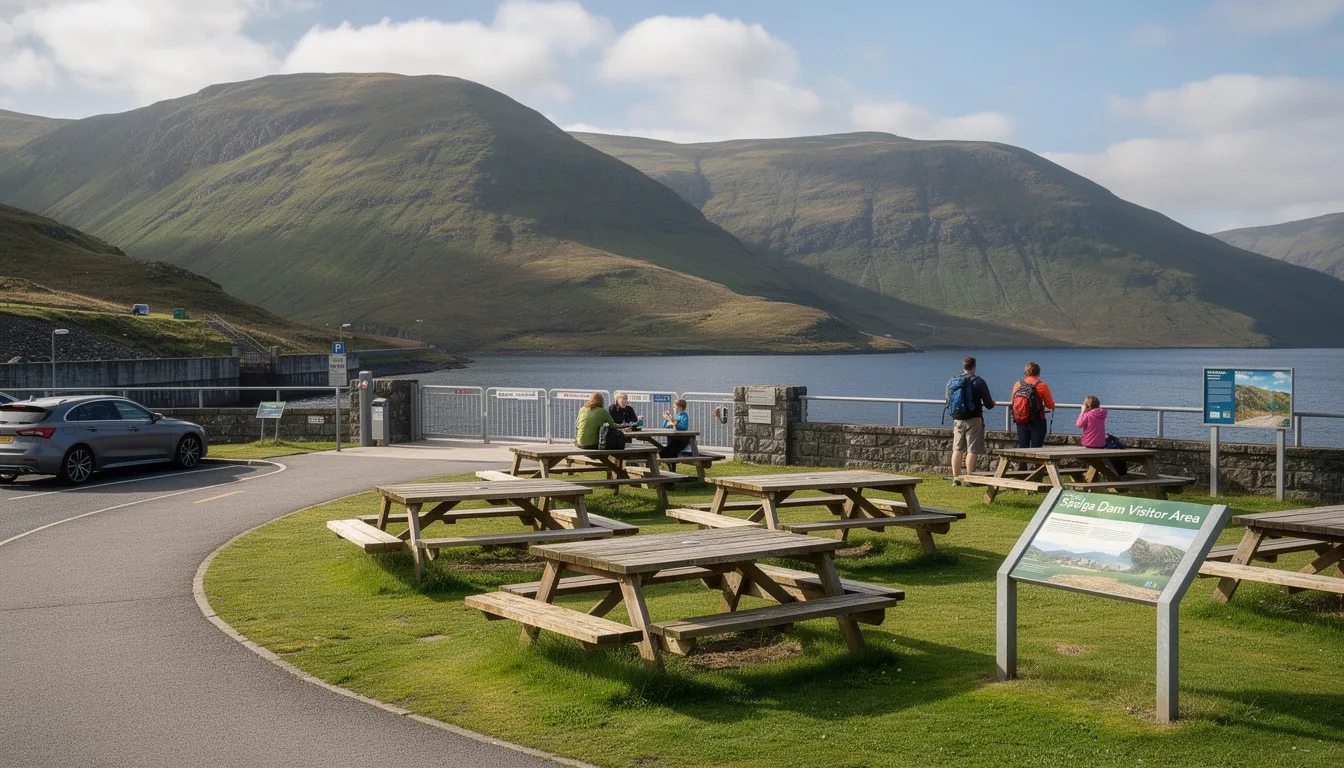
For outdoor dining and relaxation, the site provides 4 picnic tables strategically positioned to offer optimal views of the reservoir and surrounding mountains. Additionally, 5 benches are distributed throughout the area, providing peaceful spots for visitors to rest and appreciate the scenic beauty of the location.
The south side car park offers a smaller but equally valuable alternative, particularly for visitors seeking closer access to specific viewpoints of the dam structure. While this location provides fewer amenities overall, it offers excellent photographic opportunities and a more intimate connection with the engineering aspects of the reservoir.
Both parking areas provide direct access to various walking trails and viewpoints, ensuring visitors can easily explore the area regardless of which facilities accessible spaces they choose to use. The facilities are maintained year-round, though visitors should be aware that mountain weather conditions can affect accessibility during winter months.
The Famous Spelga Dam Magic Hill
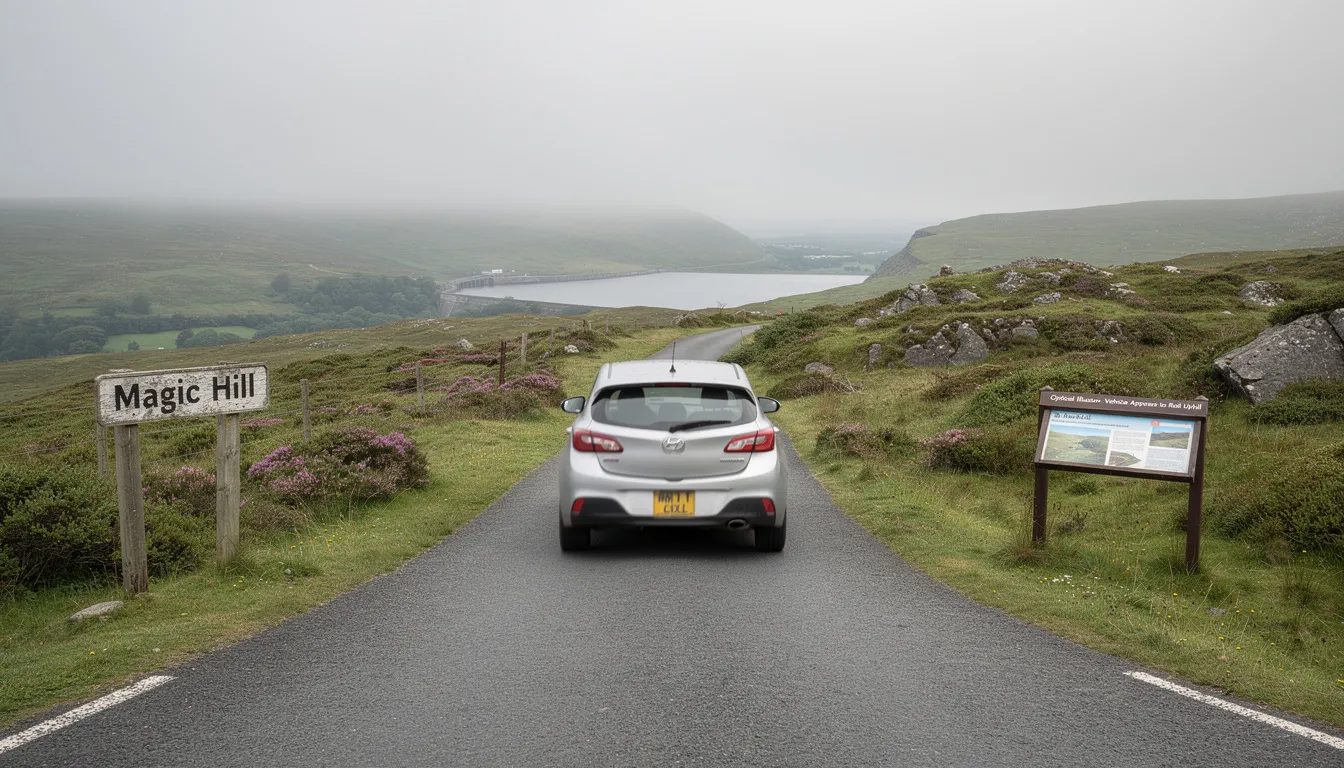
One of the most intriguing attractions near Spelga Dam is the renowned magic road phenomenon, where cars appear to roll uphill in defiance of gravity. This optical illusion occurs on a nameless road section near the dam, creating an experience that has mystified visitors and locals alike for generations.
The gravity hill effect is created by the surrounding terrain’s unique topography, which creates a visual trick making a slight downhill slope appear as though it’s actually uphill. When drivers place their vehicles in neutral and release the parking brake, cars appear to roll uphill at a gentle pace, seemingly defying the laws of physics.
How to Experience the Magic Hill
To experience this fascinating phenomenon firsthand, drive past Silent Valley Reservoir following the winding S-curves and navigate the sharp left turn that leads toward Spelga Dam. Look for the designated road section where multiple cars often gather to test the illusion.
Position your car carefully on the designated section of road, ensuring you’re facing in the correct direction for the effect. Back your vehicle onto the specific road section near Spelga Dam that locals and tourists have identified as the optimal location for experiencing the phenomenon.
Put your vehicle in neutral gear and slowly release the parking brake while maintaining full attention to your surroundings. Watch carefully as your car begins to move in what appears to be an uphill direction, creating the magical effect that has earned this location its reputation.
Many locals attribute this phenomenon to “fairy magic” and supernatural forces, adding to the mystical atmosphere of the Mourne Mountains region. However, the scientific explanation lies in the optical illusion created by the surrounding landscape, which tricks the eye into misinterpreting the true slope of the road surface.
Safety considerations are essential when experiencing the magic road. Always ensure other vehicles and pedestrians are clear of the area before attempting the demonstration, and maintain control of your vehicle throughout the experience.
Things to Do and Nearby Attractions
Spelga Dam serves as an excellent base for exploring numerous attractions throughout the Mourne Mountains region. The location provides access to a diverse range of activities suitable for visitors of all ages and interests.
Immediately adjacent to the main carpark, visitors can access the Slievenamuck family friendly walk, which offers gentle terrain suitable for children and those seeking a more relaxed outdoor experience. This trail provides excellent opportunities to appreciate the mountain landscape without requiring advanced hiking experience or specialized equipment.
The nearby Silent Valley Reservoir, accessible via a short drive along the High Mournes Scenic Loop, offers more extensive hiking opportunities and mountain walks. Silent Valley features well-maintained trails ranging from easy family walks to more challenging mountain adventures, providing options for every fitness level and time commitment.
For visitors interested in historical and archaeological sites, the Goward Dolmen is situated just 0.4 km south of the B8 Castlewellan/Hilltown road. This ancient megalithic tomb provides fascinating insights into the prehistoric heritage of the Mourne Mountains region and makes an excellent addition to any cultural exploration of the area.
Castlewellan Forest Park, accessible via the Mourne coastal route, offers extensive woodland walks, an arboretum, and the famous Peace Maze – one of the world’s largest permanent hedge mazes. The forest park provides excellent facilities for families and serves as another major destination along the broader Mourne Mountains tourist trail.
The area also provides access to many short walks that showcase the diverse landscape of the High Mournes. These range from gentle strolls around the reservoir perimeter to more adventurous routes leading to elevated viewpoints throughout the beautiful mountains.
For those following the historical connections of the region, Percy French’s popular song “The Mountains of Mourne” celebrated this landscape, and visitors can follow routes that inspired some of Ireland’s most beloved musical tributes to natural beauty.
Visitor Tips and Best Times to Visit
Planning your visit to Spelga Dam requires consideration of seasonal variations, weather conditions, and facility availability to ensure the optimal experience. The north side car park consistently offers better facilities and the most parking spaces, making it the recommended choice for most visitors, especially families and those requiring accessible spaces.
The south side parking area, while providing fewer amenities, offers excellent dam viewpoints and can be ideal for photographers seeking specific perspectives of the engineering structure. This location also provides quieter access during busy periods when the main carpark reaches capacity.
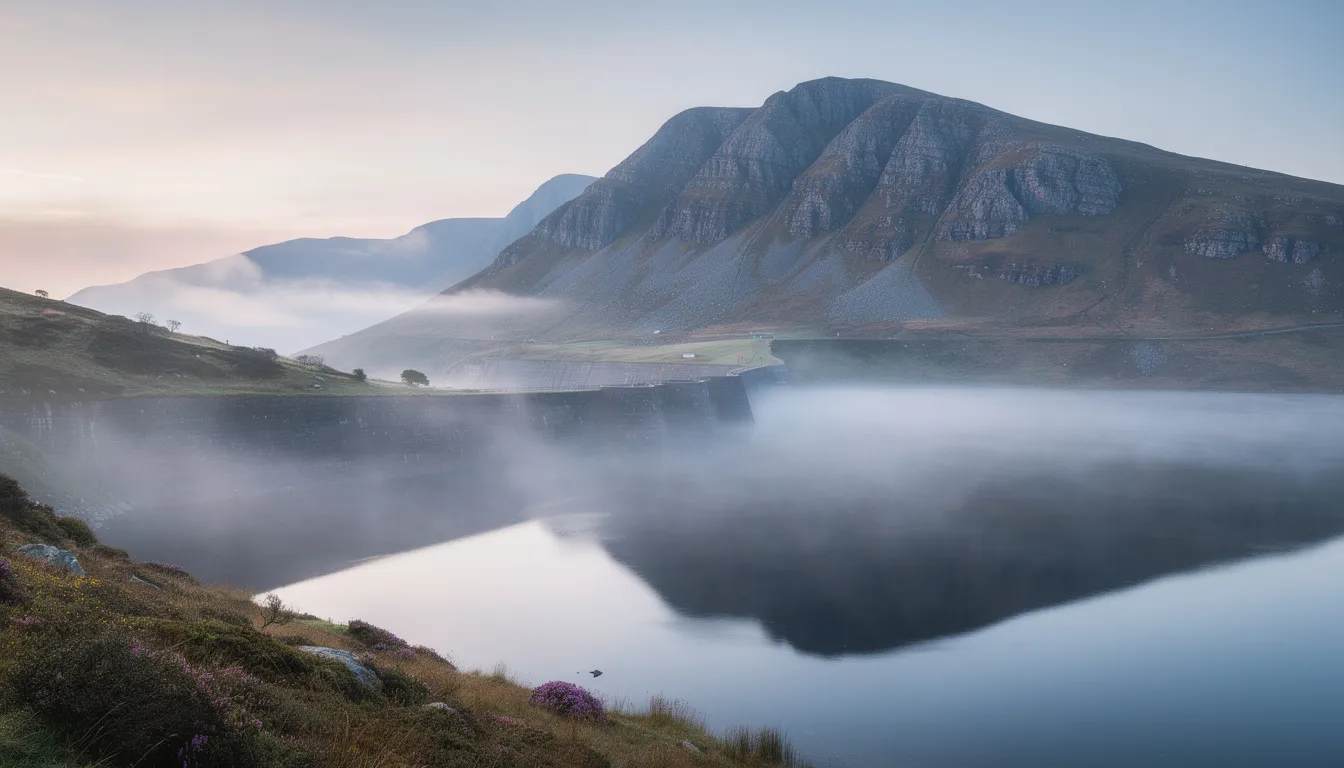
Summer months present unique opportunities for visitors, as dry weather and summer heatwave conditions occasionally cause the water level to drop significantly. During these periods, sections of the historic Victorian road and the old bridge that was once the first bridge on the River Bann become visible above the water surface. These exposures create exceptional photographic opportunities and allow visitors to walk along temporarily accessible historic routes that are normally submerged.
Early morning visits often feature dramatic atmospheric conditions, with mountain fog and mist creating spectacular visual effects across the glassy reservoir surface. These conditions provide excellent opportunities for photography and peaceful contemplation, though visitors should be prepared for cooler temperatures and potentially limited visibility during heavy fog conditions.
Weather considerations are particularly important when planning activities around Spelga Dam. Mountain weather can change rapidly, and visitors should always carry appropriate clothing for varying conditions. The elevation of over 1,200 feet above sea level means temperatures can be significantly cooler than in nearby coastal areas like Newcastle.
For the best experience of the magic road phenomenon, visit during dry conditions when road surfaces provide optimal traction and safety. Wet or icy conditions can make the illusion less pronounced and create safety concerns for vehicles attempting to demonstrate the gravity hill effect.
Consider timing your visit to coincide with other attractions along the High Mournes Scenic Loop, allowing for a comprehensive exploration of the region. The Mourne Sweep route connects multiple destinations efficiently, and planning a full day adventure can maximize the value of your journey into this remarkable mountain landscape.
Peak summer months see the highest visitor numbers, particularly during school holidays and weekends. For a more peaceful experience, consider visiting during weekday mornings or during the shoulder seasons of late spring and early autumn, when the mountains display beautiful seasonal colors and weather conditions remain generally favorable for outdoor activities.
Conclusion
Spelga Dam northern ireland stands as a remarkable destination that seamlessly combines engineering heritage, natural beauty, and unique phenomena into an unforgettable visitor experience. From its origins as a crucial water supply project in the 1950s to its current role as a beloved tourist attraction, this man made reservoir continues to serve both practical and recreational purposes in the heart of the beautiful mountains.
Whether you’re drawn by the mysterious magic road where cars appear to roll uphill, seeking peaceful lookout points over the glassy reservoir, or planning many short walks through the surrounding landscape, Spelga Dam offers something special for every type of visitor. The combination of accessible facilities, fascinating history, and proximity to other major attractions along the Mourne coastal route makes it an essential stop for anyone exploring this stunning region of Northern Ireland.
Plan your visit to experience this unique destination where engineering achievement meets natural wonder, and discover why Spelga Dam has captivated visitors for generations while continuing to play a vital role in the region’s water supply infrastructure.