
The Bronte Homeland experience is a journey into the world that inspired the talented Bronte sisters, Charlotte, Emily, and Anne. The Bronte Homeland, located in Northern England, holds a significant place in literary history. From the picturesque landscapes to the rich history, this article explores the various aspects of the Bronte Homeland experience. Visitors can follow the Brontë Homeland Drive, a scenic route that highlights key sites and landscapes connected to the Brontë family’s heritage.
Understanding the Bronte Homeland
The Bronte Homeland is not just a physical place; it also holds historical and geographical significance. Understanding the roots of the Brontë family, including their Irish ancestry and the legacy of Patrick Brontë, father of the Brontë sisters, and their connections to this region can provide valuable insights into their literary works.
When we delve into the historical significance of the Bronte Homeland, we uncover a rich tapestry of the Brontë family’s lives. This region, nestled in the heart of Yorkshire, England, was not only their birthplace but also the backdrop for their famous novels. Exploring the historical landmarks and heritage sites associated with the Brontës allows visitors to step back in time and immerse themselves in the world that shaped their literary genius. Key sites of interest include those connected to Patrick’s birthplace and the family’s Irish roots, which are essential for understanding the Brontë family’s heritage.
One such landmark is the Bronte Parsonage Museum, located in the village of Haworth. This former home of the Brontë family has been meticulously preserved, offering a glimpse into their everyday lives. Visitors can walk through the rooms where the Brontë sisters wrote their masterpieces, surrounded by the very furniture and personal belongings that inspired their creativity. The museum also houses a vast collection of manuscripts, letters, and artifacts, providing a deeper understanding of the Brontës’ literary journey.
Another historical gem in the Bronte Homeland is the Haworth Church, where the Brontë family worshipped. This beautiful church, dating back to the 12th century, stands as a testament to the Brontës’ deep-rooted connection to their community. Stepping inside, visitors can witness the same stained glass windows that the Brontë sisters would have admired, and perhaps even find inspiration in the peaceful atmosphere that once enveloped them.
The Geographical Landscape of the Bronte Homeland
While the historical significance of the Bronte Homeland is undeniable, the geographical landscape of this region also played a pivotal role in shaping the Brontes’ literary works. The rugged beauty of the Yorkshire countryside served as a muse for the sisters, inspiring them to create vivid descriptions of the natural world. The scenic backdrop of the Mourne Mountains, with their dramatic peaks and sweeping vistas, further enhances the region’s picturesque charm and connects it to the Brontë family’s origins.
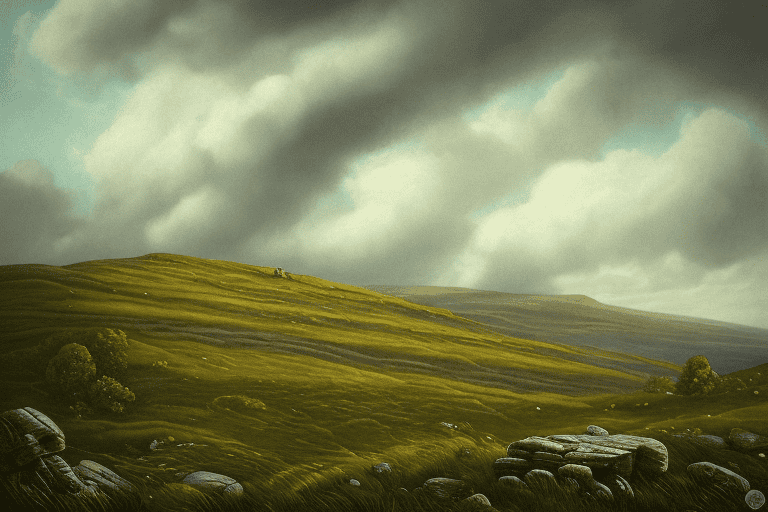
One cannot mention the Bronte Homeland without evoking the wild and windswept moorlands that stretch as far as the eye can see. These untamed expanses of heather and grasses, dotted with rocky outcrops, provided the perfect setting for the Brontes’ tales of passion and isolation. It is on these moors that characters like Heathcliff and Catherine from Emily Bronte’s “Wuthering Heights” roamed, their tumultuous love story mirroring the untamed nature surrounding them.
But the Bronte Homeland is not just defined by its moorlands; it also boasts rolling hills, picturesque valleys, and charming villages. The landscape is a patchwork of colors, with vibrant green fields in the summer and golden hues in the autumn. The region’s fertile land has long supported a rich tradition of farming, shaping the local way of life and contributing to the area’s agricultural heritage. It is a place where one can find solace in the tranquility of nature, just as the Bronte sisters did during their long walks through the countryside.
Exploring the Bronte Homeland is not merely a journey through physical spaces; it is an exploration of the lives and minds of the Bronte family. By immersing ourselves in the historical and geographical context of their world, we gain a deeper appreciation for their literary contributions and the enduring legacy they have left behind.
The Patrick Brontë Family Legacy
The Bronte sisters left an enduring legacy in the world of literature. Their works continue to inspire and resonate with readers around the globe. The Brontë connection to this region is deeply rooted in their family history, with many sites in County Down linked to their father, Patrick Brontë, and the early life of the Brontë family. Exploring the literary contributions of the Brontes and their influence on the Bronte Homeland provides invaluable insights into their immense talent.
The Brontë Society, through its Irish section, plays a vital role in preserving and promoting the family’s Irish heritage and the historical sites associated with their origins.
The Literary Contributions of the Bronte Sisters
The literary contributions of Charlotte, Emily, and Anne Bronte are renowned worldwide. Their novels, such as “Jane Eyre,” “Wuthering Heights,” and “The Tenant of Wildfell Hall,” showcased their remarkable storytelling abilities. These literary masterpieces not only shaped the Bronte sisters’ legacy but also shed light on the realities of 19th-century life, particularly for women.
Charlotte Bronte, the eldest of the three sisters, was known for her strong-willed and independent heroines. In “Jane Eyre,” she created a character who defied societal norms and fought for her own happiness. Through her writing, Charlotte challenged the prevailing notions of gender roles and paved the way for future feminist literature.
Emily Bronte, on the other hand, delved into the depths of human passion and explored the darker side of love in her novel “Wuthering Heights.” Her haunting portrayal of the intense and destructive relationship between Catherine Earnshaw and Heathcliff captivated readers and continues to be a subject of fascination to this day.
Anne Bronte, often overshadowed by her more famous sisters, made significant contributions to literature with her novel “The Tenant of Wildfell Hall.” Addressing themes of alcoholism, domestic abuse, and women’s rights, Anne fearlessly tackled controversial subjects that were considered taboo during her time.
The Influence of the Bronte Family on the Homeland
The Bronte family’s impact on the Homeland extends beyond their literary works. Their ideals, values, and perspectives shaped the local community, leaving an indelible mark on the region. Exploring the ways in which the Bronte family influenced the Homeland’s culture and society provides a glimpse into the authentic heritage that still thrives in this area today.
Haworth, the village where the Bronte sisters spent most of their lives, became a hub of creativity and intellectual discourse. The sisters’ presence in the village attracted other like-minded individuals, leading to the formation of a literary circle that fostered artistic collaboration and innovation. The Brontes’ influence on the local community can still be felt through the various literary festivals, museums, and heritage sites dedicated to preserving their memory.
Moreover, the Bronte sisters’ connection to the rugged Yorkshire landscape is evident in their writings. The moors, with their wild and untamed beauty, served as a backdrop for many of their stories, becoming almost like a character in itself. The Brontes’ deep appreciation for nature and their ability to capture its essence in their prose has had a lasting impact on the way the Homeland is perceived and celebrated.
Furthermore, the Bronte family’s commitment to education and intellectual pursuits left a lasting legacy in the Homeland. Their father, Patrick Brontë, was a respected clergyman and educator who instilled in his children a love for learning. Patrick’s first teaching post was at Glascar Church and Schoolhouse in the 1790s, marking a significant milestone in his early career. At this teaching post, Patrick taught using enlightened teaching methods, which were considered innovative for the time and contributed greatly to the family’s educational legacy. The sisters’ own experiences as teachers and governesses influenced their writing and their belief in the power of education to transform lives. Today, the Bronte Homeland boasts a thriving educational system and continues to produce talented individuals who carry on the Brontes’ intellectual tradition.
Visiting the Bronte Homeland
For literature enthusiasts and history buffs alike, visiting the Bronte Homeland is a highly rewarding experience. The interpretative centre is a key attraction, offering educational exhibits about the Brontë family’s Irish heritage. Notable stops include the Brontë Homeland Picnic Site at Knockiveagh, a scenic picnic site with views of the Mourne Mountains and historical features. There are numerous key attractions to explore and plenty of tips to ensure a memorable and well-planned visit. To help you find these locations easily, consider using GPS co-ordinates or GPS co for accurate navigation.
Key Attractions in the Bronte Homeland: Drumballyroney Church and School
The Brontë Homeland offers a plethora of must-visit attractions for literature enthusiasts, all set amid the rolling hills where Patrick grew up as part of a farming family in the rich farming country of County Down. The Brontë Homeland Drive, marked by brown signposts with a book symbol, guides visitors along scenic routes such as Brontë Road, Church Hill Road, and Lisnacroppan Road, connecting key heritage sites miles south of Banbridge.
Among the highlights are Drumballyroney Church and School, where Patrick Brontë delivered his first sermon after graduating from Cambridge University. The original schoolhouse, where Patrick taught as a young man, stands nearby, though it was later replaced by a more modern building in 1844. Glascar School, another important site, illustrates Patrick’s enlightened teaching methods and his early career, which included a romantic attachment that led to his dismissal.
Alice McClory’s Cottage, located on Brontë Road, is the childhood home of Patrick’s mother, Alice McClory. This historic site, also known as the home of Patrick’s mother, is significant for its connection to the Brontë family’s Irish roots and the story of Patrick’s parents. The cottage, a two storey house and the family’s two roomed cottage, is often referred to as the birthplace cottage and the childhood home of Patrick’s, reflecting the humble beginnings from which Patrick Brontë emerged.
The drive also features scenic spots such as Dancing Glen and Fairy Glen, both steeped in local legend and natural beauty. At the Brontë Homeland Picnic Site Knockiveagh, accessible via Lisnacroppan Road, visitors can see the ruins of an illicit drinking house, adding to the area’s rich tapestry of history.
These sites, some now replaced or restored as a modern building or more modern building, offer a tangible connection to the Brontë family’s story. The landscape, with its rolling hills and rural charm, evokes the environment where Patrick grew and was shaped by his parents and the local community.
For more information about the Brontë connection and heritage sites, visitors are encouraged to contact FE McWilliam Gallery or visit the FE McWilliam Gallery for further details.
Tips for Planning Your Visit to the Bronte Homeland
To make the most of your visit to the Bronte Homeland, careful planning is essential. The Brontë Homeland is a must-visit destination for Brontë fans, offering a unique opportunity to connect with the family’s rich literary heritage. Booking tickets in advance, considering the weather conditions, and allowing sufficient time to explore the various attractions are key factors to ensure a gratifying experience. Additionally, engaging with local guides and seeking recommendations from fellow Bronte enthusiasts can enhance your understanding and appreciation of the Homeland.
The Brontë Homeland Trust is responsible for maintaining the heritage sites and providing visitor information, ensuring that the legacy of the Brontë family is preserved for future generations.
The Impact of the Bronte Homeland on Literature
The influence of the Bronte Homeland on literature extends well beyond the works of the Bronte sisters themselves. Its rustic charm and haunting landscapes have inspired authors for generations.
The Homeland as Inspiration in Bronte Works
The Bronte Homeland acted as a powerful muse for the sisters’ literary creations. The wild and untamed landscapes found their way into the settings of novels like “Wuthering Heights,” heightening the dramatic tension and reflecting the characters’ passions. The strong connection between the Bronte Homeland and their works makes it a fascinating subject for literary analysis.
The Continuing Influence of the Bronte Homeland in Modern Literature
Even in contemporary literature, the Bronte Homeland continues to captivate and inspire writers. Its mysterious allure and timeless beauty have served as a backdrop for numerous novels, poems, and other works of fiction. Exploring the ways in which the Bronte Homeland has transcended time and influenced modern literature offers a compelling insight into its enduring appeal.
The Bronte Homeland in Popular Culture
The influence of the Bronte Homeland is not limited to literature but extends to popular culture in various art forms, including film, television, music, and art itself.
Film and Television Adaptations of Bronte Works
The iconic works of the Bronte sisters have been adapted into numerous films and television series, allowing audiences to experience the Bronte Homeland visually. These adaptations bring the landscapes, characters, and stories to life, providing viewers with a deeper understanding and appreciation of the Bronte legacy.
The Bronte Homeland in Music and Art
The Bronte Homeland has also inspired musicians and artists to create magnificent works. From classical compositions and contemporary songs to paintings and sculptures, the Bronte Homeland’s allure continues to resonate in various artistic mediums. Exploring the musical and artistic tributes to the Bronte Homeland showcases its enduring influence in the realm of creativity.
In conclusion, the Bronte Homeland experience offers a profound journey into the lives, works, and lasting impact of the Bronte sisters and their family. By exploring the historical and geographical significance, understanding their literary contributions, and immersing oneself in the attractions and influence of the Homeland, visitors gain a deeper appreciation for the Bronte legacy. Moreover, the Bronte Homeland continues to inspire not only literature but also popular culture, including films, music, and art. Plan your visit to the Bronte Homeland and discover the magical world that shaped the Bronte sisters’ genius.